
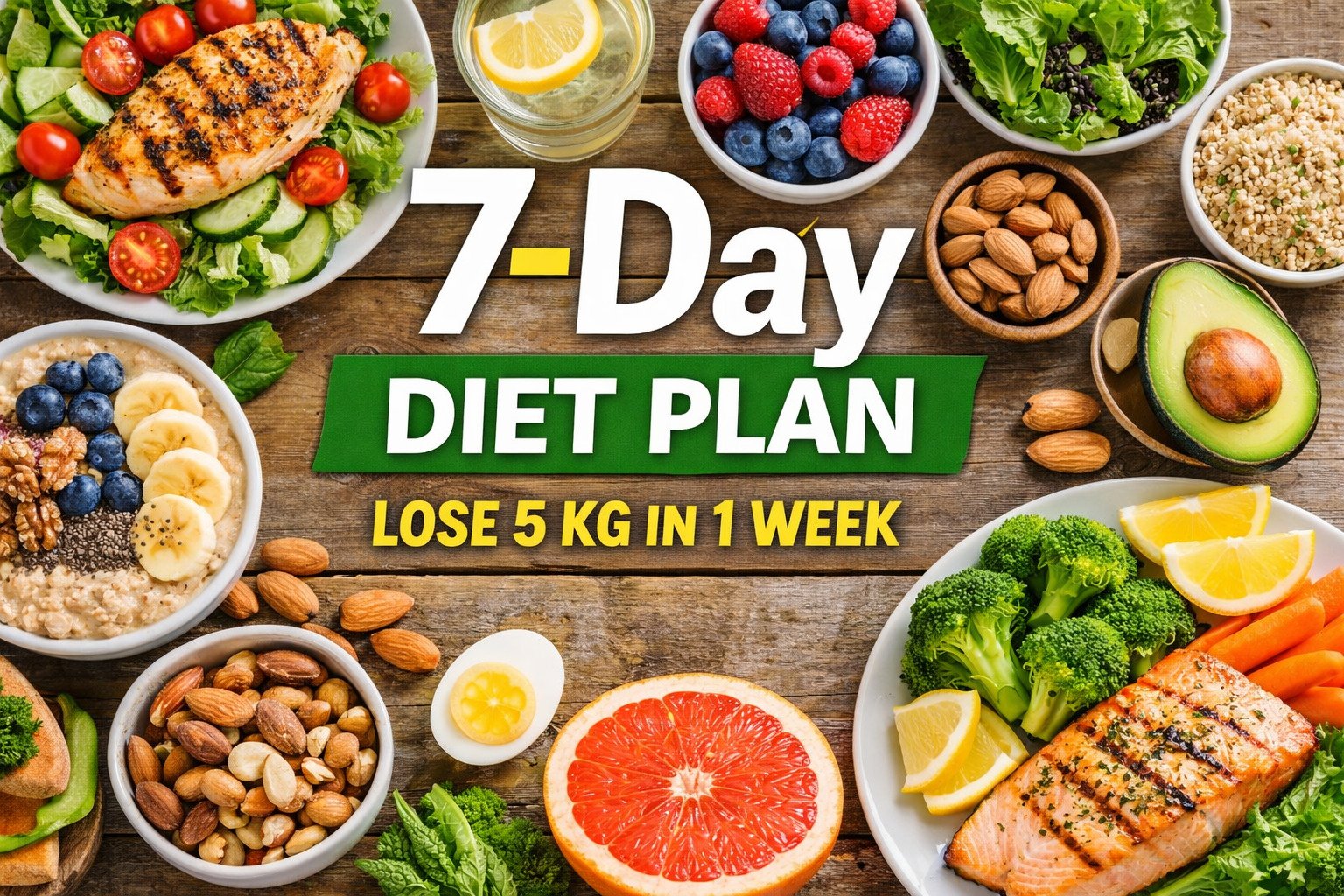
Starting a journey to rapid weight loss needs a mix of planning and patience. Many want quick results, but keeping your metabolism safe is key. This guide helps you lose weight healthily and keep your energy up.
Knowing how your body loses weight is crucial for lasting success. Eating foods rich in nutrients helps fuel your body and create a healthy calorie gap. Consistency is the secret ingredient to reaching your fitness goals with confidence and clarity.
Key Takeaways
- Prioritize whole, nutrient-dense foods to support metabolic health during your transformation.
- Maintain a moderate caloric deficit to ensure your body burns fat rather than muscle tissue.
- Stay hydrated throughout the week to assist with digestion and natural detoxification processes.
- Focus on high-protein intake to preserve lean muscle mass while reducing overall body fat.
- Listen to your body’s hunger cues to avoid burnout and ensure a sustainable transition.
Foundatios of a Safe 7 days diet plan to lose 5 kg
Before starting your journey, it’s key to understand the basics of a 7 days diet plan to lose 5 kg. It’s not just about willpower. You need a smart plan to feed your body right. This ensures your progress is steady and lasting.
Understanding Caloric Deficit and Nutrient Density
The core of weight loss is a caloric deficit. This means eating fewer calories than you burn. To do this safely, focus on nutrient density in your meals.
High nutrient density means eating foods rich in vitamins, minerals, and fiber. This helps your body work well without feeling tired. It’s better than eating foods with no nutritional value.
The Importance of Hydration and Electrolyte Balance
Drinking enough water is key for hydration for weight loss. Water helps your body burn fat. When you eat less, you might lose water weight too. So, keeping electrolytes balanced is crucial.
Electrolytes like sodium, potassium, and magnesium are vital for muscles and energy. Keeping these levels right helps you stay strong. Staying hydrated means more than just drinking water; it’s about keeping your body’s chemistry in check.
Setting Realistic Expectations for Rapid Weight Loss
Going for rapid weight loss needs a clear view of what’s possible. Losing 5 kg in a week is ambitious. But remember, results vary based on your starting weight and metabolism. Setting realistic expectations keeps you motivated and avoids disappointment.
Success is not just about the number on the scale. It’s about how you feel and how your body responds. A structured 7 days diet plan helps your body thrive while you work towards your goal.
Preparing Your Kitchen and Mindset for Success
Success in weight loss starts before you eat your first meal. By removing guesswork from your daily routine, you create a supportive environment for healthy weight loss. A clear plan helps you stay focused when hunger hits.

Stocking Up on Whole Foods and Lean Proteins
Your pantry should be your wellness partner. Stock items that are high in satiety and low in calories. Whole foods are key to a diet that boosts your metabolism.
Choose lean proteins like chicken, turkey, tofu, and fish. These take more energy to digest, keeping you full longer. Add fiber-rich veggies to get more nutrients.
Eliminating Processed Sugars and Refined Carbohydrates
Hidden sugars and refined grains can lead to energy crashes and cravings. Removing them from your pantry stops impulsive snacking. Complex foods help keep your blood sugar stable.
Get rid of white bread, sugary cereals, and processed snacks. Replace them with whole grains like quinoa or oats. This makes it easier to stay on track.
Meal Prepping Strategies for a Busy Week
Effective meal prep for weight loss means always having healthy food ready. Spend a few hours on Sunday cooking in bulk. This saves time and reduces stress.
Use glass containers to portion meals for the week. Having lunch and dinner ready keeps you on track. Consistency is crucial for success in just seven days.
| Category | Recommended Item | Benefit for Meal Prep for Weight Loss |
| Lean Protein | Grilled Chicken Breast | High protein for muscle retention |
| Complex Carb | Steamed Quinoa | Provides sustained energy release |
| Fiber Source | Roasted Broccoli | Increases volume and satiety |
| Healthy Fat | Raw Almonds | Supports hormonal health |
Step-by-Step Daily Nutritional Guidelines
Starting your journey to change begins with a clear plan for your meals. A metabolism reset diet gives your body the right nutrients for top performance. This structured approach makes your daily meals easy to follow.
Day One and Two: Resetting Your Metabolism
The first two days are key to getting your body in balance. Your goal is to lose excess water and get ready for fat burning.
Focusing on High-Fiber Vegetables and Lean Proteins
Start with a high-fiber diet to control blood sugar. Fiber keeps you full and aids digestion. Focus on these foods:
- Leafy greens like spinach and kale.
- Cruciferous vegetables such as broccoli and cauliflower.
- Lean protein sources like chicken breast, white fish, or tofu.
Day Three and Four: Incorporating Healthy Fats
After your metabolism adjusts, add variety to your meals. Include healthy fats for weight loss to balance hormones and prevent hunger.
Managing Portion Sizes and Satiety
Even with healthy foods, portion control tips are crucial. Use this table to guide your food intake:
| Food Category | Recommended Serving | Benefit |
| Healthy Fats | 1 tablespoon (avocado/oil) | Hormonal support |
| Lean Protein | 4-6 ounces | Muscle preservation |
| Fiber-rich Veggies | 2 cups | Digestive health |
Day Five to Seven: Sustaining Energy Levels
In the final days, focus on keeping sustainable energy levels all day. You might feel more energetic, so your body needs different fuel.
Adjusting Carbohydrate Intake for Physical Activity
Listen to your body in these last days. If tired, add complex carbs like quinoa or sweet potatoes before exercise. This gives you energy for activity without slowing your progress.
Essential Lifestyle Habits to Accelerate Results
It’s not just about what you eat. Your daily habits play a big role in how fast you see results. By changing your routine, you can break through plateaus and reach your goals faster.

Optimizing Sleep Quality for Hormone Regulation
The link between sleep and weight loss is often overlooked. Lack of sleep makes you hungrier and less full. This makes it hard to stick to your diet.
Quality sleep is the foundation upon which all other health improvements are built.
Getting seven to nine hours of sleep each night helps balance your hunger hormones. Better sleep hygiene means fewer cravings and more willpower during the day.
Incorporating Low-Intensity Steady State Cardio
Many think intense workouts are the only way to burn fat. But low-intensity cardio is a better choice. Activities like brisk walking or light cycling help you burn calories without exhausting yourself.
Low-intensity cardio has many benefits:
- It’s less likely to cause injuries.
- You recover faster between workouts.
- It helps burn fat without making you too hungry.
Choosing low-intensity cardio keeps your body recovering while you still lose weight.
Managing Stress to Prevent Cortisol-Induced Weight Retention
Chronic stress raises cortisol levels, leading to belly fat. Managing stress for weight loss is key to avoiding this. High cortisol can slow down your metabolism, making dieting harder.
Simple practices can help manage stress:
- Start with five minutes of deep breathing each morning.
- Try mindful meditation to calm your mind.
- Learn to say no to protect your time.
Regular stress management for weight loss keeps your body in fat-burning mode. Rest, movement, and calm create the best environment for success.
Safety Precautions and When to Consult a Professional
Reaching your weight goal shouldn’t harm your health. It’s crucial to watch how your body reacts to diet changes. Sticking to safe weight loss guidelines helps you reach your goals without harming your health.

Recognizing Signs of Nutritional Deficiency
Even on a short-term diet, your body needs important vitamins and minerals. Look out for signs like constant tiredness, brittle nails, or hair loss. These signs mean your body needs more nutrients.
Don’t ignore feelings of dizziness or brain fog. These signs mean your diet might be too strict. Prioritizing your health means listening to these signals and changing your diet to balance it out.
Identifying When Rapid Weight Loss Becomes Unhealthy
Rapid weight loss can be exciting, but it must be healthy. If you have heart palpitations, muscle weakness, or trouble sleeping, it’s not healthy. These signs mean your body is under too much stress.
If you feel really sick or your energy drops a lot, see a doctor. A doctor can check if your weight loss plan is safe or if you need to change it. Your health is more important than losing weight fast.
Transitioning Back to a Balanced Maintenance Diet
After reaching your goal, focus on keeping your weight stable. A maintenance diet plan helps keep your weight stable. Slowly add healthy fats and complex carbs back into your meals.
Don’t go back to old eating habits, as this can cause weight gain. Instead, see your maintenance diet plan as a new way of eating. By sticking to it, you keep your rapid weight loss results for good.
Conclusion
Reaching your target weight is about discipline and making smart choices. True healthy weight loss comes from consistent habits that support your body, not harm it.
Eating nutrient-dense foods is key to a strong foundation. You now have the tools to listen to your body and adjust your food intake based on your energy needs.
Next, move to a sustainable maintenance diet plan for long-term success. This phase lets you enjoy a variety of whole foods while keeping your metabolism steady.
Your commitment to these lifestyle changes shows your dedication to health. Stay focused on your daily activity and nutritional balance for your well-being.
Share your progress with friends or join a community group to stay motivated. Your journey to a healthier you is a continuous process that rewards patience and dedication.
FAQ
Is it safe to lose 5 kg in a single week using this diet plan?
Losing 5 kg in a week is a big goal. It involves losing fat and reducing water retention. To do it safely, eat foods high in nutrients and control your calories. Use tools like MyFitnessPal to make sure you get all the vitamins and minerals you need.
Why is hydration so important for rapid weight loss?
Drinking enough water is key because it helps burn fat. It also keeps your electrolytes balanced, preventing headaches and fatigue. Drinking water before meals helps you feel full, making it easier to control your portions.
What specific foods should I buy when prepping for this week?
Stock up on whole foods and lean proteins like grass-fed beef and organic chicken. Add high-fiber veggies like spinach and cauliflower to improve digestion. Avoid foods with a high glycemic index, like white bread, to avoid cravings and energy crashes.
How can I manage stress and cortisol levels during the diet?
High cortisol levels can make it hard to lose weight, especially around the belly. Manage stress with meditation or light stretching. Getting 7–9 hours of sleep helps balance your hunger hormones, ghrelin and leptin.
Can I exercise while following a 7 days diet plan to lose 5 kg?
Yes, but be careful not to overdo it. Try Low-Intensity Steady State (LISS) cardio, like a brisk walk. Avoid high-intensity workouts that use up too much energy. Use apps like Nike Training Club for low-impact exercises that support weight loss.
What are the benefits of adding healthy fats to a weight loss diet?
Healthy fats, like those in avocados, are important for nutrient absorption and hormone health. They keep you full for longer. Omega-3 fatty acids reduce inflammation, making it easier to stick to a healthy diet after the first week.
How do I avoid gaining the weight back after the week ends?
For lasting results, switch to a sustainable diet like the Mediterranean diet after the week is over. Keep eating whole foods and prep meals regularly. Gradually increase your calories while watching your progress to avoid weight gain.
When should I stop the diet or consult a doctor?
If you feel dizzy, tired, or show signs of nutritional deficiency, see a doctor. Listen to your body and adjust your diet if you feel it’s too hard or causing harm. Your health is more important than quick weight loss.
