
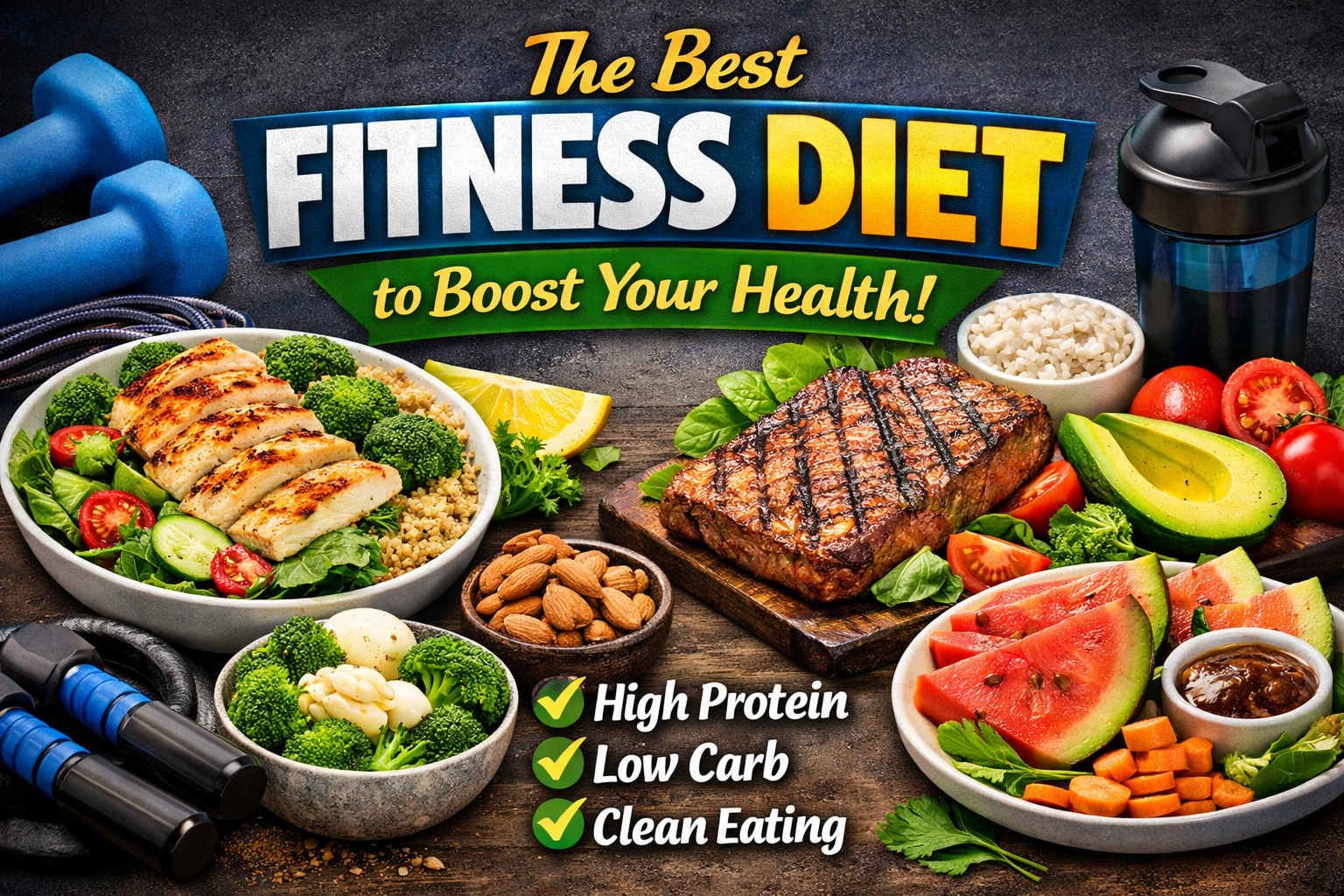
Starting a fitness journey can make you wonder: What is the best diet for fitness? You might feel lost with all the different advice out there. But, the truth is, your body needs something special.
There’s no one-size-fits-all diet. Instead, aim for a lasting relationship with your food. A good fitness nutrition guide helps you match your diet to your fitness goals. By choosing quality foods and staying consistent, you set yourself up for long-term health.

Success comes from finding a balance that feels right for you. Seeing food as fuel, not a limit, helps you perform better and feel more alive every day.
Key Takeaways
- Personalized nutrition outperforms generic meal plans.
- Consistency remains the most important factor in long-term results.
- View food as fuel to support your physical activity.
- Quality ingredients provide the energy needed for recovery.
- Sustainable habits lead to lasting health improvements.
Understanding the Fundamentals of Nutrition for Fitness
Building a strong body needs more than just hard work. It also requires a smart plan for what you eat. By focusing on healthy eating for athletes, you help your body fix muscles and keep energy up. This is key for anyone wanting to boost their physical performance.

Defining Your Fitness Goals
Your diet should match your training goals. Whether you want to build muscle, boost endurance, or change your body shape, your diet should support these aims. Knowing your goals helps you make better food choices every time you eat.
For strength training, you need more calories than someone training for a marathon. Knowing your main goal helps you adjust your diet to help you get better. Sticking to your plan is the most important thing for lasting success.
“Success is the sum of small efforts, repeated day in and day out.”
The Role of Macronutrients in Performance
Finding the right macronutrient balance is key to fueling your body for hard workouts. Proteins, fats, and carbs each have their own role in how you perform and recover. Changing these ratios can greatly affect your energy levels all week.
| Macronutrient | Primary Function | Best Sources |
| Protein | Muscle Repair | Chicken, Tofu, Eggs |
| Carbohydrats | Energy Supply | Oats, Rice, Quinoa |
| Healthy Fats | Hormone Support | Avocado, Nuts, Olive Oil |
Learning about these basics is the first step to creating your own nutrition plan. When you get these nutrients right, you help your body handle stress and recover from workouts better. Try tracking what you eat to see how it affects your daily performance.
Determining What Is the Best Diet for Fitness Based on Your Body
Finding the right food for your body starts with knowing your energy needs. Many people start diets without thinking about their body’s needs. This often leads to burnout or not getting the results they want. By adjusting what you eat, you make sure your body gets the energy it needs to do well.

Assessing Your Current Activity Level
Your daily activities greatly affect how much food you need. A person sitting at a desk all day needs less energy than someone who is very active. To get a clear picture, think about these things:
- Your typical daily step count.
- The frequency of your structured workouts.
- The physical demands of your professional life.
Calculating Your Daily Caloric Needs
After knowing your activity level, you can calculate caloric needs for a good plan. This helps you avoid eating too little, which can slow down your progress and hurt your metabolism. A reliable basal metabolic rate calculator is the best tool to find your starting point.
”Nutrition is the foundation of performance; without the right fuel, even the hardest training sessions will fail to produce the desired results.”
Understanding Basal Metabolic Rate
Your Basal Metabolic Rate (BMR) is how many calories your body burns just to keep you alive at rest. It includes things like breathing, circulation, and making new cells. It’s the least amount of energy your body needs every day.
Adjusting for Exercise Intensity
After finding your BMR, you need to add in your activity level to find your Total Daily Energy Expenditure. Multiply your BMR by an activity factor that shows how hard you train. This number is how much energy you need to keep your weight the same and support your fitness goals.
Prioritizing Whole Foods for Optimal Health
Your journey to peak physical performance starts with whole foods. A whole food diet gives your body the vitamins and minerals it needs. You avoid hidden additives in processed foods by choosing natural foods.

Selecting High-Quality Protein Sources
To repair muscles and stay full, focus on high-protein fitness meals. Lean meats, eggs, and legumes are key for recovery. Eating enough protein helps keep your muscles strong all day.
Here are top protein choices for your progress:
- Wild-caught salmon for omega-3 fatty acids.
- Organic chicken breast for lean muscle support.
- Lentils and chickpeas for fiber-rich plant protein.
Incorporating Complex Carbohydrates for Sustained Energy
Simple sugars can cause energy crashes. Instead, choose complex carbohydrates for energy for steady fuel. These foods keep your blood sugar stable during workouts.
Whole grains, sweet potatoes, and quinoa are great for stamina. They give your muscles the glycogen they need to perform well.
Choosing Healthy Fats for Hormone Regulation
Healthy fats are crucial for hormone health and vitality. Avocados, nuts, and olive oil help your body absorb vitamins. Proper hormone balance is key for recovery and well-being.
| Nutrient Category | Best Whole Food Source | Primary Benefit |
| Protein | Grass-fed Beef | Muscle Repair |
| Carbohydrates | Steel-cut Oats | Sustained Energy |
| Healthy Fats | Raw Walnuts | Hormone Support |
| Micronutrients | Dark Leafy Greens | Immune Function |
Structuring Your Meal Timing Around Workouts
Meal timing is crucial for seeing results from your hard work. Eating at the right times helps your body perform better. It keeps you energized during workouts and boosts your progress.
Pre-Workout Nutrition Strategies
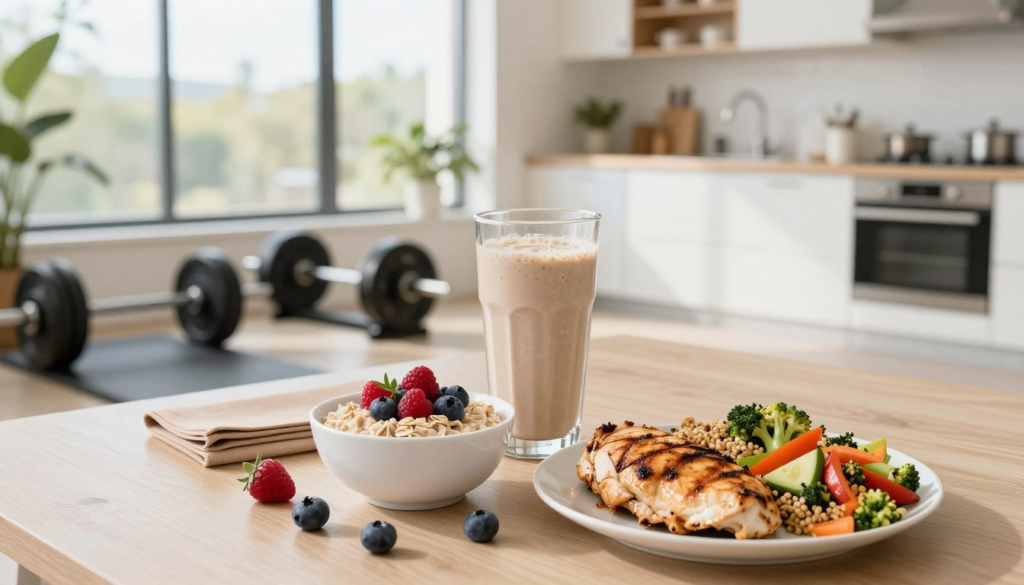
Your pre-workout nutrition should give you quick energy. Eat a balanced meal with carbs and some protein two to three hours before exercising. This lets your body digest food well, giving you steady energy.
If you’re in a rush, a small snack with simple carbs can help. Consistency is key for fueling your workouts. Staying energized lets you work harder and maintain good form.
Post-Workout Recovery Meals
After your workout, focus on post-workout recovery. This is when your body starts repairing itself. Eating the right foods right away stops muscle loss and starts repair.
The Importance of Protein Synthesis
After lifting, your main goal is to boost protein synthesis for muscle growth. Protein gives your body the amino acids it needs to fix muscle damage. Without enough protein, you can’t build new muscle, slowing your fitness progress.
Replenishing Glycogen Stores
You also need to refill your glycogen stores with carbs. Glycogen is what fuels your muscles. Without it, you’ll feel tired. Eating carbs in your recovery meal helps you stay energized for your next workout.
| Nutrient Focus | Pre-Workout Goal | Post-Workout Goal |
| Carbohydrates | Sustained energy release | Glycogen replenishment |
| Protein | Prevent muscle breakdown | Stimulate muscle repair |
| Timing | 2-3 hours before | Within 60 minutes after |
Hydration and Micronutrient Balance
Reaching your fitness goals is more than just counting macros or going to the gym. Your body needs a balance of fluids and nutrients to perform well. Ignoring these can stop your progress in its tracks.

Why Water Intake Matters for Performance
Proper hydration for performance is often ignored, but it’s crucial. Even a little dehydration can lower your strength and endurance during workouts. Dehydration makes it harder for your heart to send oxygen to your muscles.
Drinking water helps keep your body temperature stable and your joints moving smoothly. Aim to drink water all day, not just before working out. Listen to your body and check your urine color to stay hydrated.
“Water is the driving force of all nature. Without proper hydration, the body cannot effectively transport the nutrients required for muscle repair and energy production.”
Identifying Essential Vitamins and Minerals
Your body also needs essential vitamins for fitness for energy and recovery. These nutrients help your body recover from hard workouts. Eating whole foods is the best way to get these nutrients.
Minerals like magnesium and potassium are key for muscle function and preventing cramps. Feeling tired despite eating enough? You might be missing important nutrients. Here’s a table of key nutrients for active people.
| Nutrient | Primary Benefit | Best Food Sources |
| Vitamin D | Bone health and strength | Fatty fish, egg yolks |
| Magnesium | Muscle recovery | Spinach, almonds, seeds |
| Iron | Oxygen transport | Lean beef, lentils, kale |
| Vitamin C | Immune support | Citrus fruits, bell peppers |
By focusing on these essential vitamins for fitness, you help your body thrive. Remember, supplements are just to fill diet gaps, not replace food. Eat a variety of foods to get all the nutrients you need for health and hydration for performance.
Common Dietary Pitfalls to Avoid
It’s natural to want quick results, but some diet habits can harm your efforts. Finding shortcuts might seem appealing, but real fitness comes from steady, healthy choices. Knowing these common traps helps you stay on a sustainable path to wellness.
The Dangers of Extreme Caloric Restriction
Many think eating very little is the fastest way to reach goals. But, you should avoid extreme dieting at all costs. Eating too few calories stresses your body, leading to muscle loss and a slower metabolism.
Your body might start breaking down muscle for energy instead of fat. This can cause extreme tiredness and burnout, making it hard to keep up with workouts. It’s better to fuel your body right than to starve it of needed nutrients.
Avoiding Over-Reliance on Processed Supplements
The fitness world often pushes powders and pills as key to success. But, be careful of the dangers of processed supplements. Relying on these instead of whole foods can leave you lacking in essential nutrients and fiber.
Whole foods offer a mix of nutrients that supplements can’t match. Here’s why choosing real food is better for your health:
| Feature | Whole Foods | Processed Supplements |
| Nutrient Density | High | Low/Synthetic |
| Digestion | Natural/Easy | Variable |
| Sustainability | High | Low |
To keep your nutrition right, follow these simple tips:
- Prioritize whole, unprocessed ingredients in every meal.
- See supplements as a minor addition to a balanced diet.
- Listen to your body’s hunger cues instead of strict calorie charts.
- Focus on long-term health markers, not just the scale number.
Conclusion
To reach your physical best, you need to change how you think about long-term habits. You now know how to make a fitness diet that lasts through all life stages.
Being consistent is key. By choosing whole foods and eating at the right times, you make healthy habits a part of your life. These tips guide you on your path to better health.
Your path to being at your best is a long one. Every choice you make about food builds a strong base for your future. Keep believing in the process as you improve your habits over time.
Start using these tips in your daily life today. Even small changes can lead to big results if you stick to your goals. Your focus on good nutrition will boost your energy, strength, and health for many years.
FAQ
What is the best diet for fitness to boost your overall health?
There’s no one diet that works for everyone. The best approach is a flexible nutrition plan that focuses on quality ingredients. Eating whole foods and tailoring your diet to your fitness goals is key. Experts at Precision Nutrition say a personalized plan focusing on nutrient density is the best way to stay healthy long-term.
How can I determine my specific daily caloric needs?
First, find your Basal Metabolic Rate (BMR), the energy your body needs at rest. Use tools like MyFitnessPal to calculate it. Then, adjust for your exercise level to ensure you fuel your workouts right without overeating.
Why are macronutrients so important for my fitness nutrition plan?
Proteins, fats, and carbs are vital for energy and recovery. High-quality proteins like Applegate or Stonyfield Organic help repair muscles. Complex carbs give you energy for tough workouts. Healthy fats, like those in California Olive Ranch olive oil, are key for hormone balance and energy.
What should I eat for pre-workout and post-workout recovery?
For pre-workout, eat easy-to-digest carbs to fuel your body. Post-workout, focus on protein to repair muscles and replenish energy stores. Eating products like Kodiak Cakes or a protein-rich meal soon after helps your muscles recover and grow.
Does hydration really impact my physical performance?
Yes, it does. Staying hydrated is crucial for performance. Even a little dehydration can hurt your strength and endurance. Use a Hydro Flask or YETI to stay hydrated. Also, vitamins like those in Garden of Life multivitamins support your immune system and metabolism.
Why should I avoid extreme caloric restriction and processed supplements?
Extreme calorie cutting can slow your metabolism and lead to muscle loss. It’s hard to keep up. Relying too much on supplements can’t replace real food’s nutrients. While Quest Nutrition’s clean protein powder is helpful, focus on whole, nutrient-rich meals for your foundation.
