
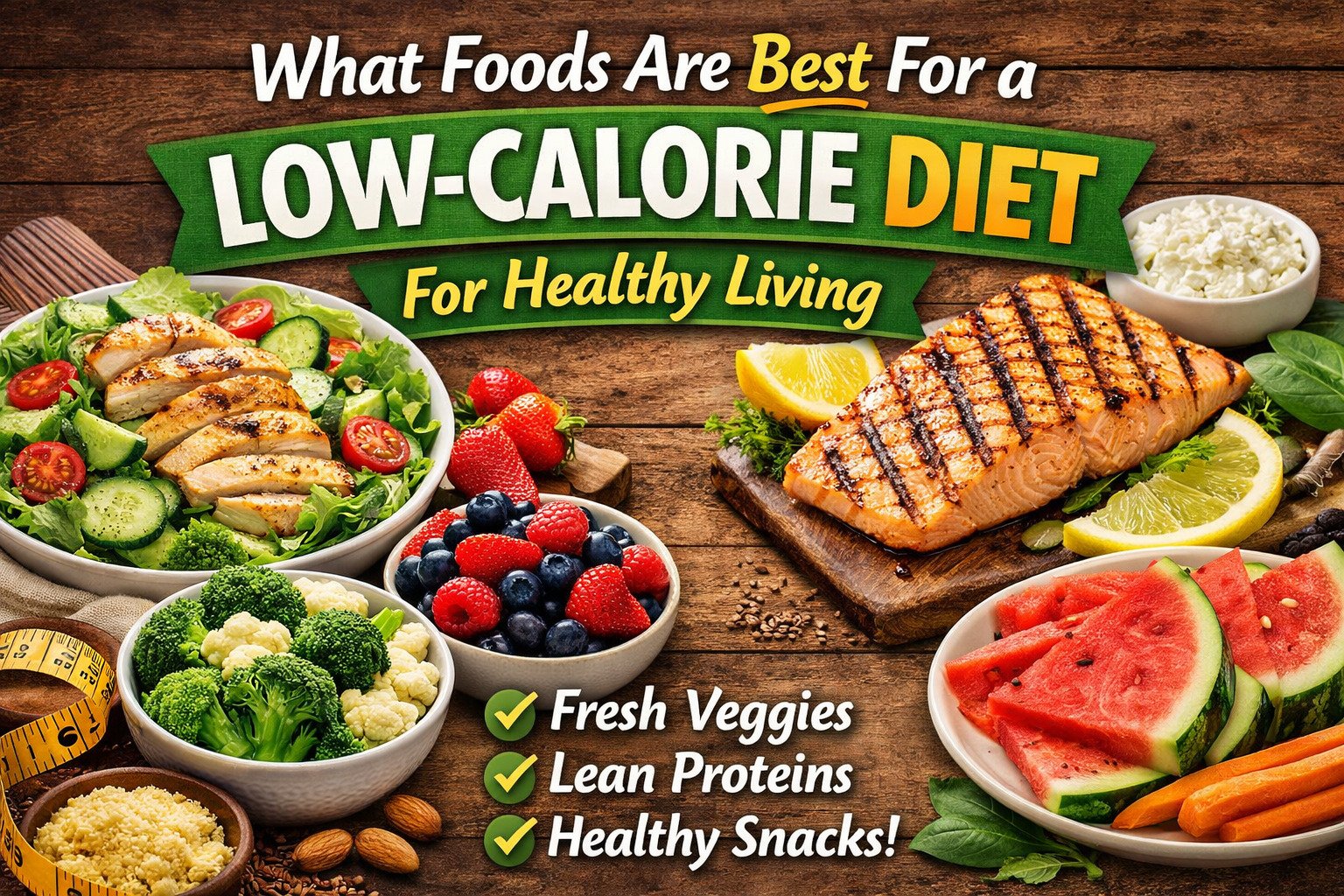
Starting a journey to healthy living doesn’t mean giving up taste or feeling full. Many think you need to be always hungry or follow strict diets to be healthy. But, eating foods rich in nutrients helps you stay full and at a good weight.
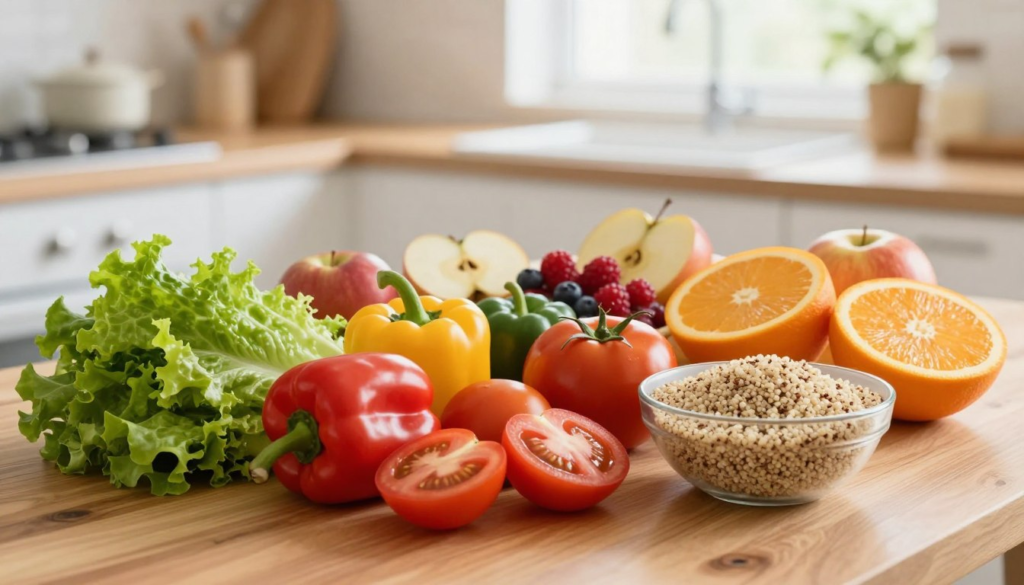
Knowing what foods are best for a low-calorie diet is key to lasting success. Eating whole, unprocessed foods gives you the vitamins and minerals for energy. These choices make your day easier and keep you feeling great. When you focus on good nutrition, you change how you see food and live a healthier life.
Key Takeaways
- Prioritize whole, nutrient-dense ingredients to stay satisfied longer.
- Focus on long-term wellness rather than temporary restrictions.
- Select items that boost your daily energy levels naturally.
- Understand how your plate choices impact your overall vitality.
- Simplify your wellness journey by choosing simple, unprocessed options.
Understanding the Principles of Low-Calorie Nutrition
To reach your health goals, you need to understand how your body uses energy. Focusing on metabolic health leads to a lifestyle that boosts your long-term energy and health.
Defining Caloric Deficit for Wellness
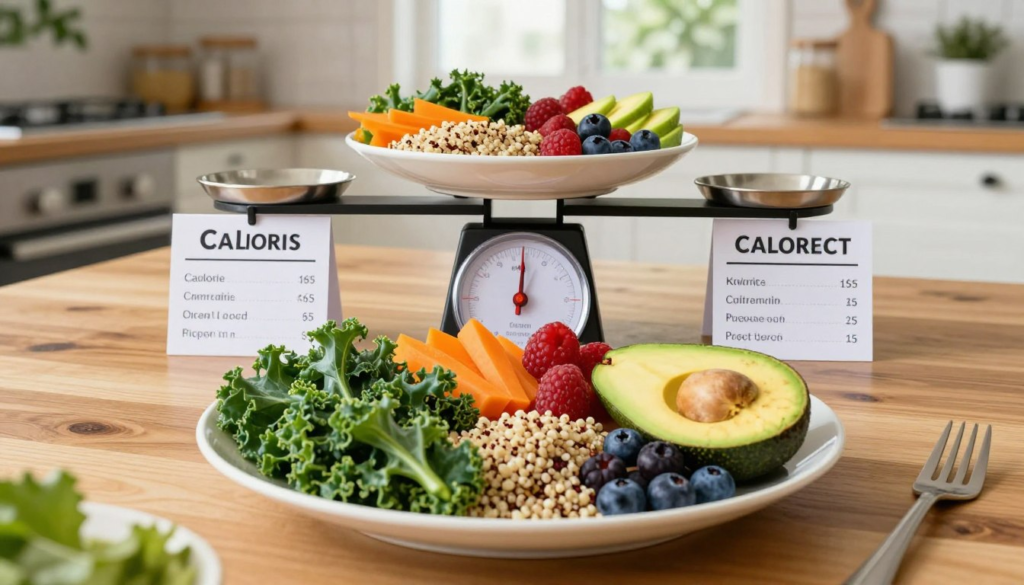
A caloric deficit happens when you eat fewer calories than you burn. This change makes your body use stored energy. It’s the key to sustainable weight loss.
Remember, this change should be slow and steady. A moderate deficit keeps your body fueled while helping you reach your goals.
The Importance of Nutrient Density Over Calorie Counting
Calorie counting is common, but it overlooks food quality. Relying only on numbers can lead to bad food choices. You might feel hungry and tired.
Focus on nutrient density instead. Foods packed with vitamins, minerals, and fiber are more satisfying. They give you more energy than processed foods.
True health comes from the quality of your food, not just how much you eat.
Choosing nutrient-rich foods supports your body better than calorie counting alone. This way, you stay energized and naturally manage your food intake for a healthier life.
What foods are best for a low-calorie diet
Starting a sustainable diet means knowing which foods are most satisfying. Whole foods help you eat fewer calories and feel full longer. This way, you can make meals that help you reach your wellness goals without feeling hungry all the time.
High-Volume, Low-Calorie Vegetables
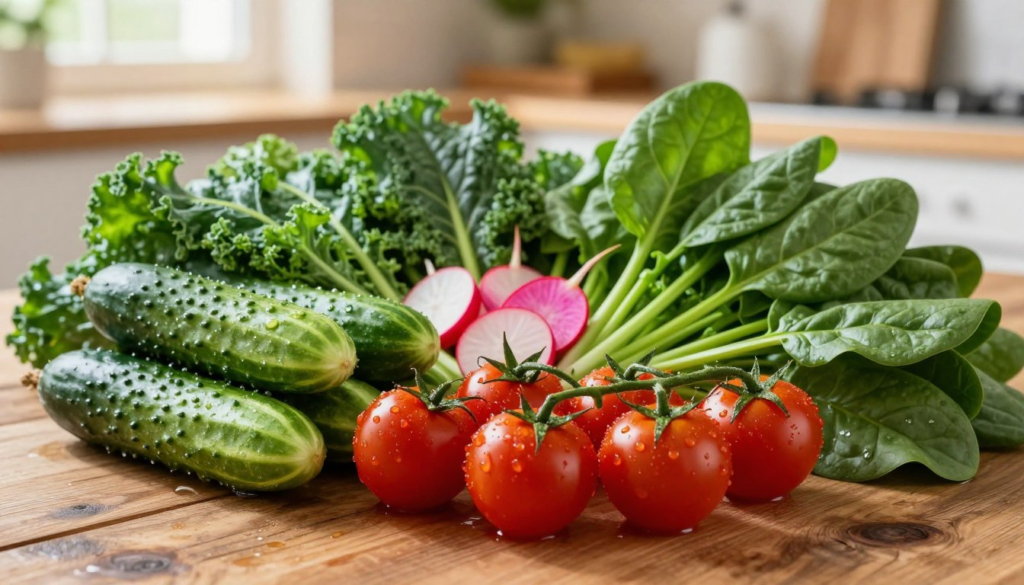
Choosing foods high in water and fiber is key to feeling full. These low-calorie vegetables let you eat more without feeling guilty. Try to fill half your plate with them at every meal.
- Spinach and kale for essential vitamins.
- Cucumber and celery for high water content.
- Broccoli and cauliflower for satisfying crunch.
- Zucchini and bell peppers for versatility in cooking.
Lean Protein Sources for Muscle Maintenance
Adding lean protein to your diet is crucial for keeping muscle while losing weight. Protein keeps you full and satisfied. Choose high-quality sources to keep your body strong and energized.
Here are some great protein options for your meals:
- Skinless chicken breast or turkey.
- White fish like cod, tilapia, or haddock.
- Egg whites or low-fat Greek yogurt.
- Plant-based options like tofu, tempeh, or seitan.
Whole Grains and Fiber-Rich Carbohydrates
Choosing the right carbs is key for steady blood sugar. Fiber-rich foods digest slowly, avoiding energy crashes. Focus on complex carbs for better digestion and hunger control.
Swap refined grains for these better options:
- Quinoa and brown rice for sustained energy.
- Oats and barley for heart-healthy fiber.
- Lentils and chickpeas for a mix of protein and fiber.
- Sweet potatoes for vitamins and complex energy.
Step-by-Step Guide to Building Your Low-Calorie Plate
Changing your eating habits is easy with a four-step plan for daily meals. Start with meal planning to avoid guessing what to eat. This method helps you eat a balanced diet that keeps you full and healthy.
Step One: Prioritize Non-Starchy Vegetables
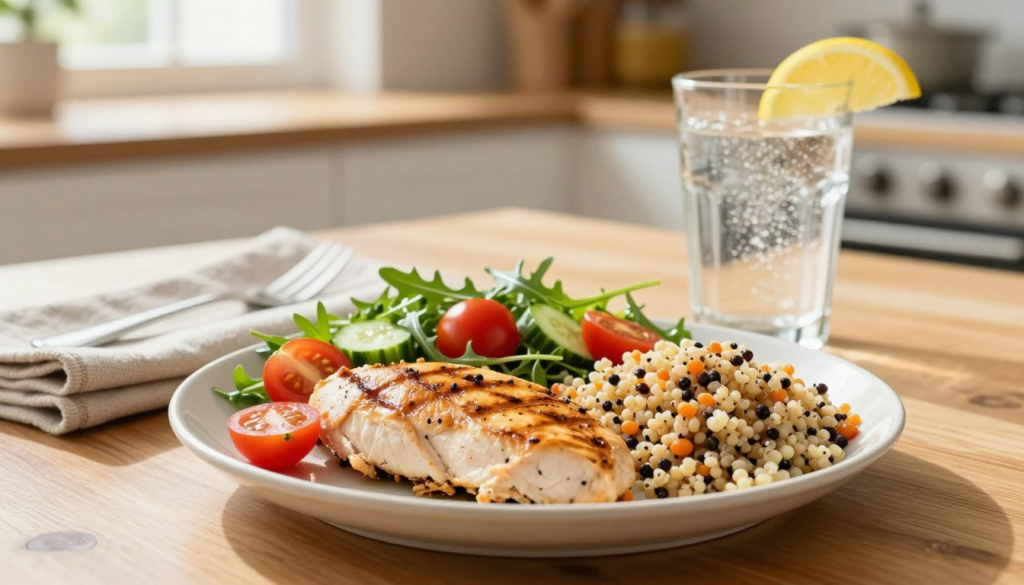
Begin by filling half your plate with non-starchy veggies. These foods are full of fiber and volume, making you feel full without too many calories. Leafy greens, broccoli, and bell peppers are great choices.
Step Two: Add a Palm-Sized Portion of Lean Protein
Protein is key for muscle health and feeling full. Aim for a portion the size of your palm. Grilled chicken, tofu, or white fish are good options.
Step Three: Include a Small Serving of Complex Carbohydrates
Your body needs energy, and complex carbohydrates provide it. Choose whole grains like quinoa, brown rice, or sweet potatoes. Keep this portion small to stay on track with your calories.
Step Four: Incorporate Healthy Fats in Moderation
Finally, add a small amount of healthy fats to your meal. These fats are important for brain health and vitamin absorption. A thumb-sized portion of avocado, nuts, or olive oil is enough for a balanced diet.
| Plate Component | Primary Benefit | Recommended Portion |
| Non-Starchy Veggies | High Fiber & Volume | 50% of Plate |
| Lean Protein | Muscle Support | Palm-Sized |
| Complex Carbs | Sustained Energy | 25% of Plate |
| Healthy Fats | Nutrient Absorption | Thumb-Sized |
Incorporating Nutrient-Dense Vegetables and Fruits
Filling your plate with whole foods gives you the energy to thrive. By focusing on nutrient density, every bite helps your long-term health. This way, you can eat more while keeping your calorie intake in check.
Selecting Leafy Greens and Cruciferous Vegetables
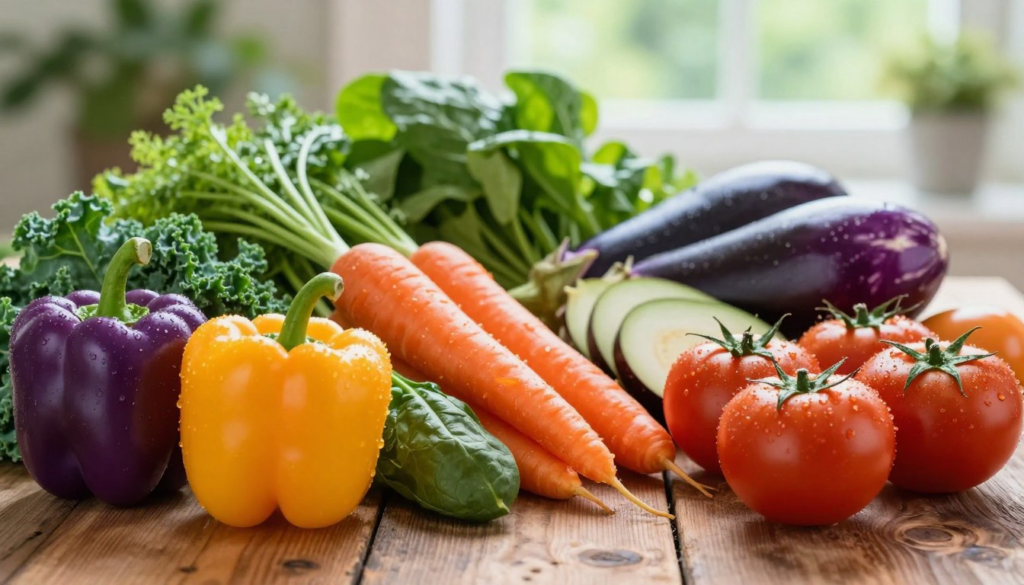
Leafy greens and cruciferous vegetables are key to a good diet. These low-calorie vegetables are full of vitamins, minerals, and fiber. They help you feel full for longer.
- Kale and Spinach: These dark greens are versatile and rich in antioxidants.
- Broccoli and Cauliflower: These offer a satisfying crunch and lots of fiber.
- Brussels Sprouts: Great for roasting, they have a dense nutritional profile with few calories.
Choosing Low-Glycemic Fruits for Natural Sweetness
You don’t need processed sugars or high-calorie snacks to satisfy your sweet tooth. Low-glycemic fruits let you enjoy natural sweetness without big blood sugar spikes.
Berries like strawberries, blueberries, and raspberries are full of fiber and antioxidants. Apples and pears are also great whole foods for a refreshing snack all day.
Tips for Preparing Produce Without Adding Excess Calories
How you prepare your produce affects your meal’s calorie count. To keep the benefits of your nutrient density strategy, choose cooking methods that don’t use a lot of oil or butter.
Steaming your vegetables helps keep their texture and nutrients. Roasting with a little olive oil and herbs adds flavor without extra calories. Always aim for simple preparation to let the natural flavors shine.
Selecting Lean Proteins for Satiety
When you aim to cut down on calories, the quality of your protein matters a lot. Adding lean protein to your meals is key. It helps keep your muscles strong and supports your metabolic health when you’re eating fewer calories.
Benefits of Poultry and White Fish
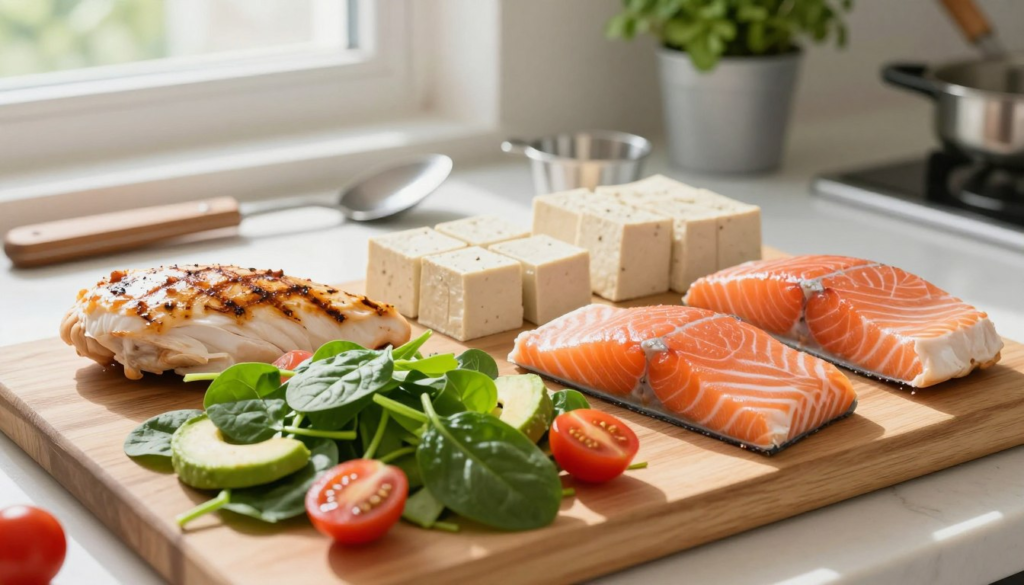
Poultry like skinless chicken breast and turkey is packed with protein but low in calories. These foods are great for muscle repair and don’t add too much fat.
White fish, such as cod, tilapia, and haddock, are also good choices. They’re very low in calories but fill you up, making them perfect for keeping your weight in check.
Plant-Based Protein Options for Variety
Plant-based proteins like lentils, chickpeas, and tofu are also great. They’re full of fiber and protein, which helps your digestion stay regular.
These foods are rich in nutrients and make your meals more interesting. By mixing them up, you get a wide range of vitamins and minerals.
How Protein Intake Affects Your Hunger Hormones
Eating enough protein helps control your hunger hormones. High-protein meals lower ghrelin, the hunger hormone, and boost PYY, the fullness hormone.
This helps you stay on track with your goals without feeling hungry. By focusing on lean protein, you manage your appetite and support your metabolic health in the long run.
Managing Portion Sizes and Caloric Density
Changing how you see food can change your life. Many find calorie counting stressful. It takes away from the fun of eating. By focusing on how you feel, you can enjoy food more.
Using Visual Cues to Estimate Serving Sizes
You don’t need a scale for portion control. Your hands are great for measuring food. This way, you get the right nutrients without complicated tools.
- Protein: Use your palm for meat, fish, or poultry.
- Vegetables: Your fist is good for leafy greens or cooked veggies.
- Carbohydrates: A cupped hand works for grains, pasta, or starchy veggies.
- Fats: Your thumb is perfect for oils, nuts, or butter.
The Role of Water and Hydration in Appetite Control
Drinking enough water helps control hunger. Sometimes, thirst feels like hunger. Drinking water before meals can make you feel full faster.
| Food Category | Visual Cue | Typical Benefit |
| Lean Protein | Palm size | Muscle support |
| Vegetables | Fist size | High fiber |
| Complex Carbs | Cupped hand | Steady energy |
| Healthy Fats | Thumb size | Satiety |
Strategies for Mindful Eating During Meals
Mindful eating helps you listen to your body. Eating slowly lets your brain know you’re full. This stops overeating and makes food more enjoyable.
Try putting your fork down between bites. Focus on your meal, not TV or phones. These changes lead to a healthier life.
Common Pitfalls to Avoid When Cutting Calories
Even with good intentions, small mistakes can stop your progress. It’s easy to miss habits that slow you down. Knowing these challenges helps you change your ways for better results.
Avoiding Hidden Calories in Sauces and Dressings
Many focus on main ingredients but forget extras. Bottled dressings and creamy sauces have lots of sugar and oil. These hidden calories can slow down your weight loss.
Good meal planning helps avoid these extras. Make your own vinaigrettes with lemon juice, vinegar, and herbs. This way, you control what’s in your food and keep flavors great.
The Danger of Over-Restricting Essential Nutrients
Too much calorie cutting can leave you lacking in nutrients. Your body needs vitamins, minerals, and healthy fats to work well. Too little can make you tired or cranky.
Choose quality over quantity to get the nutrients you need. Add nutrient-dense foods like avocados, nuts, and seeds. They give you healthy fats for brain and hormone health. A balanced diet keeps your body strong while you reach your goals.
Maintaining Energy Levels Throughout the Day
Low energy means your plan might be too strict. Listen to your body’s hunger signals with mindful eating. If you’re tired, adjust your food amounts or when you eat.
Regular meal planning stops you from eating bad snacks when hungry. Mindful eating lets you enjoy meals and avoid overeating. Remember, your health journey is a long-term effort. Treat your body with care.
Conclusion
Changing how you eat is key to reaching your wellness goals. You have the power to make lasting changes in your life. These changes will help you live healthier for years.
Choosing foods rich in nutrients is a smart move for losing weight in a healthy way. This method helps you break free from strict diets. It lets you enjoy food more naturally.
Think of these changes as a long-term diet plan, not just a quick fix. Making small, steady choices can greatly boost your energy and health.
Begin by adding more whole foods to your meals today. Your dedication to these habits will pay off in the long run. It will improve your body and mind. Keep moving forward and celebrate your progress on the path to better health.
FAQ
How do I determine the right caloric deficit for my body?
To find the right caloric deficit for long-term wellness, aim for a small reduction in calories. Use tools like MyFitnessPal to track your basal metabolic rate. Adjust your nutrient-dense food intake to keep enough daily energy for activity while reaching your weight goals.
Why should I prioritize nutrient density over just counting calories?
Choosing nutrient-dense foods means getting lots of vitamins and minerals for fewer calories. While calorie counting is useful, eating whole foods like spinach or kale gives your body the micro-nutrients it needs. This prevents nutritional deficiencies that can cause fatigue and cravings.
What are the best high-volume, low-calorie vegetables to keep me full?
Include non-starchy vegetables like zucchini, broccoli, and cauliflower in your meals. These cruciferous vegetables let you eat more without many calories. They’re full of fiber and keep you satisfied. Brands like Green Giant offer easy-to-use frozen options.
How does protein intake affect my hunger hormones?
Eating lean protein sources like Foster Farms chicken or StarKist tuna affects your hunger hormones. Protein makes you feel full and takes more energy to digest. This helps you stick to a low-calorie diet without feeling hungry all the time.
Can I still eat fruit on a low-calorie diet for healthy living?
Yes, choose low-glycemic fruits for natural sweetness. Berries like Driscoll’s raspberries and blackberries are great because they’re full of fiber and antioxidants but low in sugar. They help keep your blood sugar levels steady and prevent energy crashes.
What are some visual cues for managing portion sizes without a scale?
Use your hand to guide portion sizes: a palm for lean protein, a fist for non-starchy vegetables, and a cupped hand for complex carbohydrates like Quaker Oats or brown rice. For healthy fats, like Bertolli extra virgin olive oil or avocado, aim for a thumb-sized portion.
How does hydration play a role in appetite control?
Proper hydration is key because thirst can feel like hunger. Drinking filtered water or San Pellegrino sparkling water before meals can help you feel full. High water intake also supports digestive health and keeps your metabolism running well.
What are common “hidden calories” I should watch out for?
Be careful of hidden calories in commercial salad dressings, sauces, and cooking oils. Many have sugars and saturated fats. Make your own vinaigrettes with Bragg Apple Cider Vinegar and fresh herbs for flavor without the extra calories.
Is it dangerous to over-restrict calories when trying to lose weight?
Over-restricting calories can lower energy levels, cause muscle loss, and slow your metabolism. Include essential nutrients and healthy fats, like those in Blue Diamond almonds, to support brain function and hormone production. A long-term balanced diet is better for sustainable weight loss than a quick, restrictive diet.
