
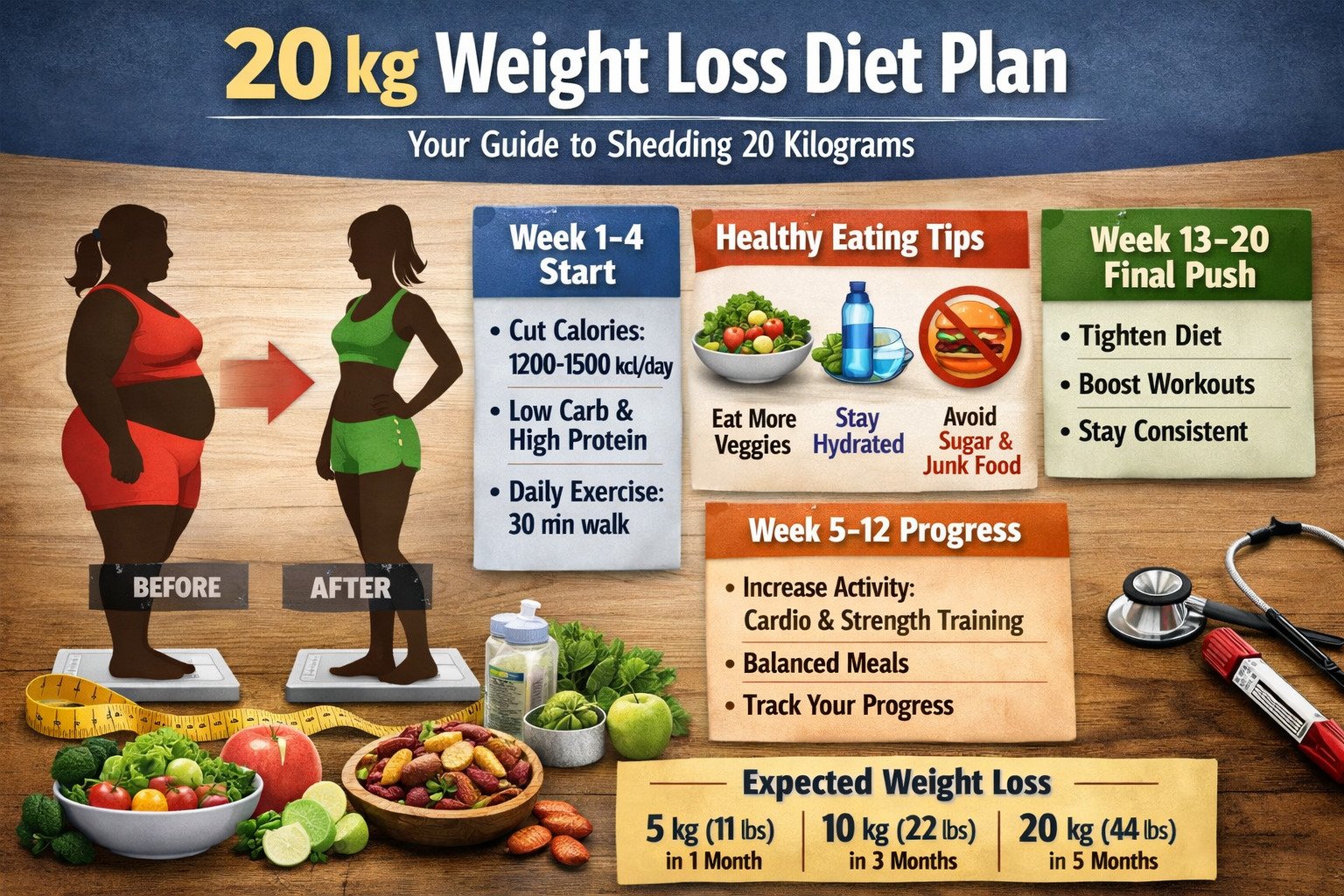
Starting a weight loss journey is more than just wanting to lose weight. A good How to lose 20 kg diet plan is based on science. It focuses on your health, not quick fixes. Knowing what your body needs helps you reach your goals in a healthy way.

Managing weight isn’t just about eating less or cutting calories. It’s about making consistent habits that keep you healthy and full of energy. Setting clear goals gives you the confidence to tackle big changes in your body.
Being patient is key during this journey. Aim for steady progress, not quick results. This approach helps your body adjust safely. It also keeps you on track and helps you develop a better relationship with food.
Key Takeaways
-
- Prioritize science-backed nutrition over restrictive habits.
-
- Consistency is more important than speed for lasting results.
-
- Understand your body’s specific needs to fuel your transformation.
-
- Focus on sustainable lifestyle changes for long-term health.
-
- Set clear, realistic expectations to maintain your motivation.
Setting the Foundation for Sustainable Weight Loss
Creating a strong base is key for a lasting weight loss journey. Aim for sustainable weight loss by avoiding quick fixes. Instead, adopt a lifestyle that supports your health for the long haul. Understanding energy balance helps you control your weight loss.

Calculating Your Caloric Deficit
The caloric deficit calculator is a crucial tool for losing fat. It shows how many calories you need to keep your weight versus how many to lose. Eat a bit fewer calories than your body burns to create a deficit.
“True success in weight management comes from consistency, not intensity. Focus on the small, daily choices that lead to lasting change.”
Establishing Realistic Timelines
Patience is key for a healthy weight loss timeline. It’s better to lose 0.5 to 1 kilogram a week. This slow pace lets your body adjust without stress.
-
- Aim for a steady, manageable rate of loss.
-
- Avoid extreme calorie restrictions that lead to burnout.
-
- Track your progress weekly to stay motivated.
Prioritizing Health Over Speed
Choosing safe weight loss methods is crucial. Avoiding extreme calorie cuts helps keep your metabolism and muscle mass. Focus on your overall health to reach your goal feeling good.
Your body needs the right fuel to work well. By focusing on sustainable habits, you build a strong foundation for the future.
Designing Your How to lose 20 kg diet plan
Starting your journey to lose 20 kg means having a solid plan. Focus on nutrient-dense foods to fuel your body well. This approach makes your weight loss journey both effective and lasting.
Structuring Your Daily Meal Schedule
Good meal planning for weight loss means being consistent. A regular eating schedule helps keep your metabolism steady. It also stops energy crashes that lead to bad food choices.
Plan your meals ahead to control portions and avoid snacking. Knowing what you eat helps you stay on track. Preparation is key to your success.
Balancing Macronutrients for Satiety
Getting the right macronutrient balance is key to feeling full. Mix protein, healthy fats, and fiber-rich carbs for meals that last. This way, you won’t feel hungry between meals.
-
- Protein: Keeps muscles strong and you full.
-
- Healthy Fats: Good for hormones and energy.
-
- Complex Carbohydrates: Give steady energy and nutrients.
Incorporating Whole Foods and Fiber
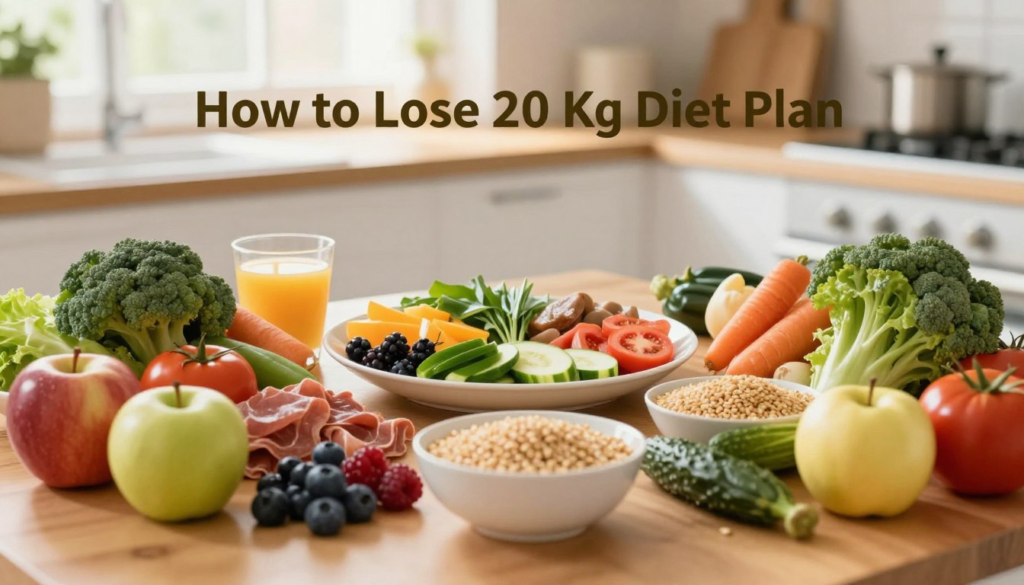
The high fiber diet benefits are huge for weight loss. Fiber helps digestion and keeps you full on less food. Eating whole foods gives you more nutrition for every calorie.
Fill your plate with colorful veggies, legumes, and whole grains. These are full of fiber and low in calories. Choosing these foods changes how you see food.
Selecting Lean Protein Sources
Choose different lean protein sources to keep meals interesting. Good protein is vital for losing fat while keeping muscle. It’s the heart of any weight loss plan.
| Protein Source | Preparation Tip | Benefit |
| Chicken Breast | Grill or bake | High protein density |
| White Fish | Steam or poach | Low calorie, high satiety |
| Lentils | Boil in broth | Fiber and plant protein |
Choosing Complex Carbohydrates
Looking at a complex carbohydrates list helps find the best energy sources. Unlike simple sugars, these carbs digest slowly, giving steady energy. This stops blood sugar spikes and drops that make you crave food.
Include quinoa, sweet potatoes, and oats in your diet. They give you the energy to stay active and focused. Choosing the right fuel is crucial for your change.
Essential Nutritional Strategies for Success
Changing your body starts with small, consistent actions. What you eat is important, but how you eat is key. By following these tips, you can reach your goals in a healthy way.
Mastering Portion Control Techniques
Controlling how much you eat is crucial. You don’t have to give up your favorite foods. Just know how much you’re eating. Try using smaller plates or measuring your food to avoid eating too much.

| Method | Benefit | Ease of Use |
| Smaller Plates | Visual satisfaction | High |
| Hand Measuring | Portable estimation | Medium |
| Food Scale | Precision tracking | Low |
Hydration and Its Role in Metabolism
Drinking enough water is vital for losing weight. Your cells need water to work well, especially when you’re trying to lose weight. Drinking water keeps your energy up and helps your body get rid of toxins.
Managing Cravings and Emotional Eating
It’s common to want to eat when you’re not hungry. Using emotional eating strategies helps you think before you eat. Try drinking water or going for a short walk when you feel like eating.
Planning and Preparing Meals in Advance
Meal prep is a game-changer for weight loss. By planning your meals, you avoid making bad choices. Having healthy meals ready means you can stick to your diet without stress.
Lifestyle Adjustments to Accelerate Your Progress
Changing your body is more than just what you eat. Your daily habits are key to sustainable weight loss. By improving how you move, rest, and track your progress, you help your body succeed.

Integrating Physical Activity into Your Routine
Regular exercise is essential for any good plan. Adding exercise for weight loss helps burn calories and keep muscle. You don’t need to spend hours at the gym to see results; short, intense workouts work well too.
Choose activities you love to keep doing them. Whether it’s walking fast, swimming, or lifting weights, these metabolism boosting tips keep your calorie burn up all day. Mix cardio and strength training to improve your body shape.
The Importance of Sleep for Weight Management
Many people don’t realize how important sleep is for changing their body. Quality sleep and weight management are closely linked. Your body uses deep sleep to control hunger hormones.
Make sure to get seven to nine hours of sleep each night. This helps your muscles recover and keeps stress low. Consistent sleep patterns are as important as what you eat.
Monitoring Progress Beyond the Scale
Just looking at the scale can be misleading and discouraging. To really track your progress, look at several health signs, not just one number. Your weight can change daily due to many reasons.
Here are better ways to see how you’re doing:
-
- Body measurements: Watch changes in your waist, hips, and chest.
-
- Energy levels: See if you feel more alive and awake during the day.
-
- Clothing fit: Notice if your clothes feel looser, which shows fat loss better than weight.
-
- Body fat percentage: Use calipers or smart scales to track fat loss over time.
By focusing on these signs, you stay positive and motivated. Remember, your goal is to become a healthier version of yourself, not just reach a number.
Conclusion
Reaching your target weight is more than a quick fix. It’s about building a lifestyle that supports your health for years. Long-term weight maintenance shows true success.
You have the tools to make lasting changes. Choose safe weight loss methods that respect your body. These strategies help you avoid quick fixes and embrace a sustainable path. Your dedication to these principles creates a foundation for a healthier future.
Consistency is your greatest ally on your wellness journey. Small, daily choices add up to big life improvements. Your relationship with food and physical activity will evolve as you stay committed to your goals.
Monitor your progress by checking your energy levels and how your clothes fit. Your body will adapt as you refine your habits. Trust the process and enjoy the positive changes you create every day.
FAQ
How long will it take to see results with a how to lose 20 kg diet plan?
Being consistent is key when you start this journey. By sticking to safe weight loss methods, you can lose about 0.5 to 1 kg each week. So, losing 20 kg might take five to ten months. This pace helps keep your metabolism healthy and your muscle mass intact.
How do I determine my daily energy needs for fat loss?
To figure out your daily calorie needs, use a caloric deficit calculator. Sites like Precision Nutrition or the Mayo Clinic offer these tools. They consider your age, activity level, and weight to set a calorie goal that supports steady weight loss without feeling deprived.
What are the most effective meal planning for weight loss strategies?
Start with weight loss meal prep on weekends. Preparing lean protein sources and complex carbohydrates ahead of time helps avoid bad food choices. Focus on meals rich in high fiber diet benefits, like vegetables and whole grains. They help you feel full and keep your blood sugar stable.
Can I still lose weight if I struggle with emotional eating?
Yes, but you need to tackle emotional eating head-on. Instead of just cutting out food, practice mindfulness and use portion control tips to enjoy your favorite foods in moderation. Tools like MyFitnessPal can help you keep track of what you eat. Staying hydrated can also help you tell if you’re really hungry or just thirsty.
Why is sleep mentioned as one of the top metabolism boosting tips?
Sleep is crucial for weight management because of hormonal balance. Lack of sleep makes your body produce more of the hunger hormone and less of the fullness hormone. Getting seven to nine hours of quality sleep each night helps your body recover from exercise for weight loss and keeps your metabolism running smoothly.
How can I accurately be tracking weight loss progress beyond the scale?
The scale isn’t the only way to measure progress. Take body measurements, check how your clothes fit, and notice your energy levels. Wearable tech like an Apple Watch or Fitbit can also track your daily activity and physical activity trends. This gives you a complete picture of your health journey.
