

The ketogenic diet, commonly called the keto diet, has become one of the most popular nutrition plans in the world. From weight loss and improved energy to better blood sugar control and mental focus, keto has attracted millions of people searching for a healthier lifestyle. However, many beginners fail because they do not fully understand the main rules of the keto diet.
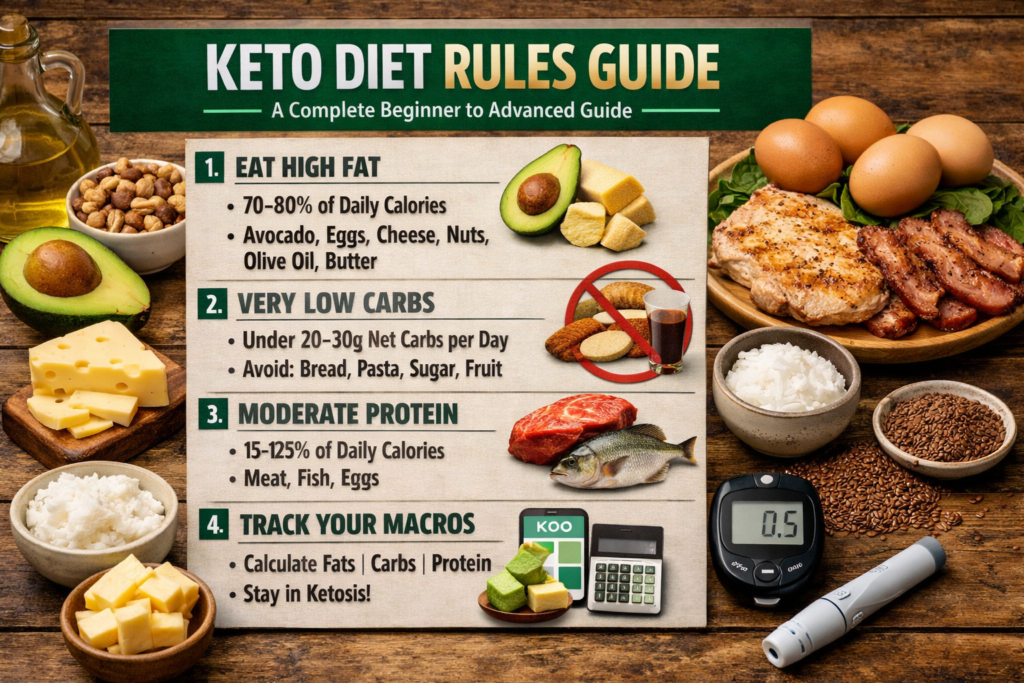
Keto is not simply about eating less food or avoiding sugar for a few days. It is a structured low-carb, high-fat eating approach designed to shift the body into a metabolic state called ketosis. In ketosis, the body burns fat for fuel instead of carbohydrates.
Understanding the core rules of keto is essential for success. Without following these principles correctly, the body may never fully enter ketosis, and results can become inconsistent.
In this comprehensive guide, we explain the most important keto diet rules, how they work, what foods to eat, what foods to avoid, and practical strategies for long-term success.
What Is the Keto Diet?
The keto diet is a very low-carbohydrate, moderate-protein, high-fat diet. The primary goal is to reduce carbohydrate intake enough for the body to switch from using glucose to using fat as its main energy source.
Normally, the body relies on carbohydrates from foods like bread, rice, pasta, and sugar. When carbs are drastically reduced, the liver converts fat into molecules called ketones, which provide energy for the brain and body.
This metabolic state is known as ketosis.
A standard ketogenic diet usually follows this macronutrient breakdown:
- 70–75% fat
- 20–25% protein
- 5–10% carbohydrates
That means keto is not simply a “high-protein” diet. Fat becomes the main source of calories.
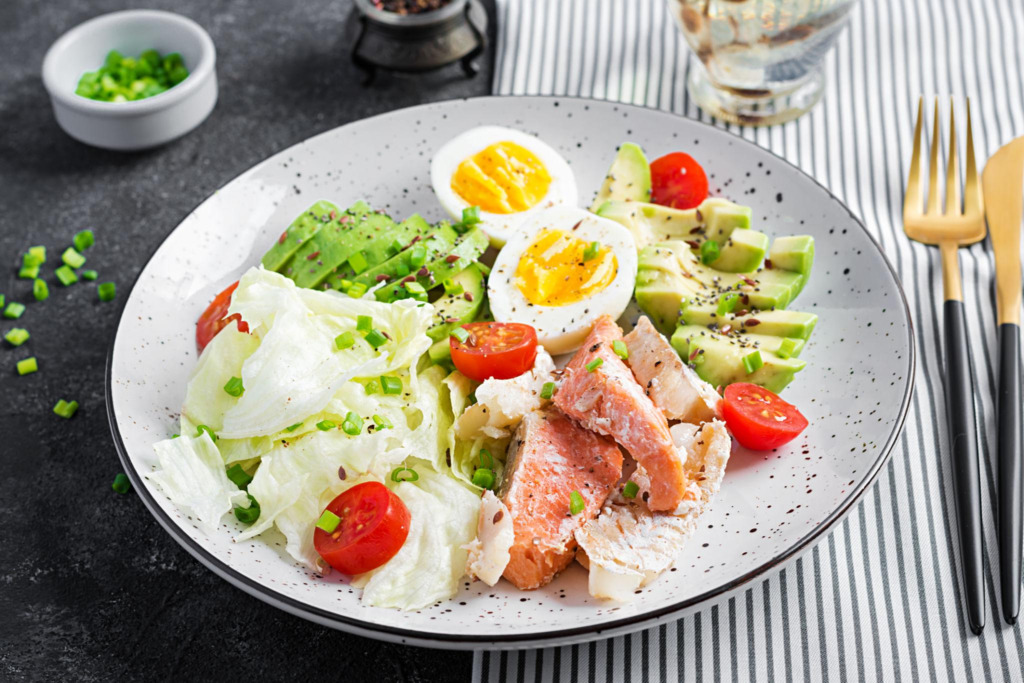
Rule 1: Keep Carbohydrates Extremely Low
The first and most important keto rule is to limit carbohydrate intake significantly.
Most people on keto aim for:
- 20–50 grams of net carbs per day
Net carbs are calculated as:
Total Carbs – Fiber = Net Carbs
For example:
- 10g total carbs
- 5g fiber
- = 5g net carbs
Reducing carbs forces the body to deplete stored glycogen and begin producing ketones.
Foods High in Carbs to Avoid

To stay in ketosis, we must eliminate or severely restrict:
- Bread
- Pasta
- Rice
- Sugary drinks
- Candy
- Cakes
- Cookies
- Potatoes
- Corn
- Most cereals
- Processed snack foods
Even healthy foods like bananas and oatmeal can contain too many carbs for keto.
Rule 2: Increase Healthy Fat Intake
The keto diet depends on fat as the primary fuel source. One of the biggest beginner mistakes is cutting carbs without increasing healthy fats.
Without enough fat intake, people often feel tired, hungry, and irritable.
Best Healthy Fats for Keto
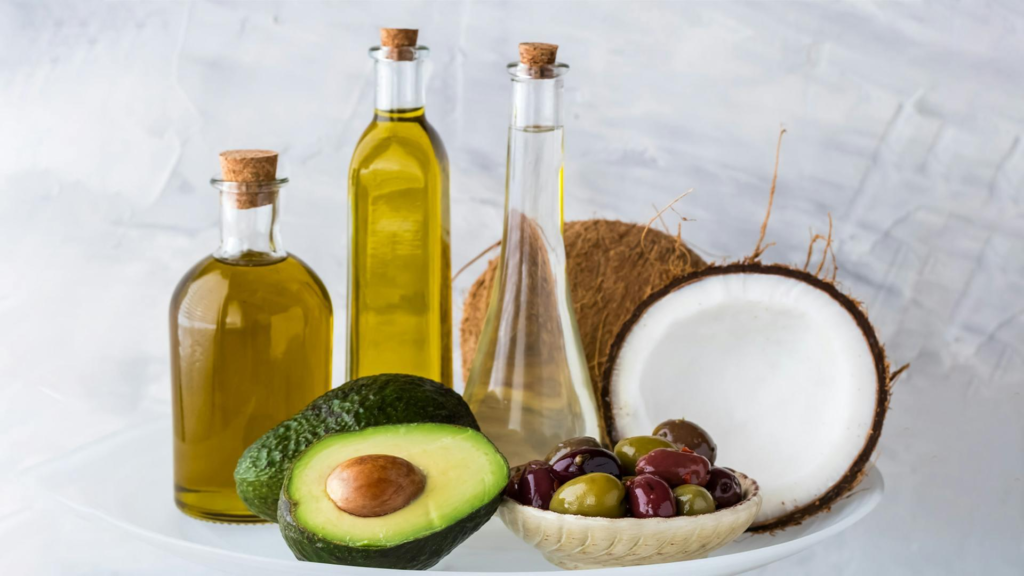
The ideal keto diet includes nutrient-rich fat sources such as:
- Avocados
- Olive oil
- Coconut oil
- Butter
- Ghee
- Cheese
- Nuts and seeds
- Fatty fish
- Egg yolks
Healthy fats help:
- Support ketosis
- Reduce hunger
- Stabilize energy levels
- Improve satiety
- Support hormone production
Rule 3: Eat Moderate Protein, Not Excessive Protein
Many people incorrectly assume keto means unlimited meat consumption. In reality, too much protein can interfere with ketosis.
When protein intake becomes excessively high, the body may convert some amino acids into glucose through a process called gluconeogenesis.
The goal is moderate protein intake.
Good Protein Sources for Keto
- Eggs
- Chicken
- Turkey
- Beef
- Salmon
- Sardines
- Tuna
- Greek yogurt
- Tofu
- Pork
Protein helps preserve muscle mass while promoting fullness and recovery.
Rule 4: Avoid Sugar Completely
Sugar is one of the fastest ways to disrupt ketosis.
Even small amounts of hidden sugars can raise blood glucose and insulin levels.
Foods With Hidden Sugars
Many processed foods contain added sugars, including:
- Salad dressings
- Ketchup
- Flavored yogurt
- Granola bars
- Protein bars
- Sauces
- Packaged soups
Always check nutrition labels carefully.
Common Names for Sugar on Labels
Manufacturers may disguise sugar under names like:
- Corn syrup
- Dextrose
- Maltose
- Sucrose
- Cane juice
- Fructose
Avoiding sugar is one of the most critical keto rules for maintaining fat burning.
Rule 5: Focus on Whole, Unprocessed Foods
A successful keto diet is built around real foods, not just packaged “keto-friendly” products.
While keto snacks and desserts are widely marketed, many are heavily processed and may contain hidden carbs or unhealthy oils.
Best Whole Foods for Keto
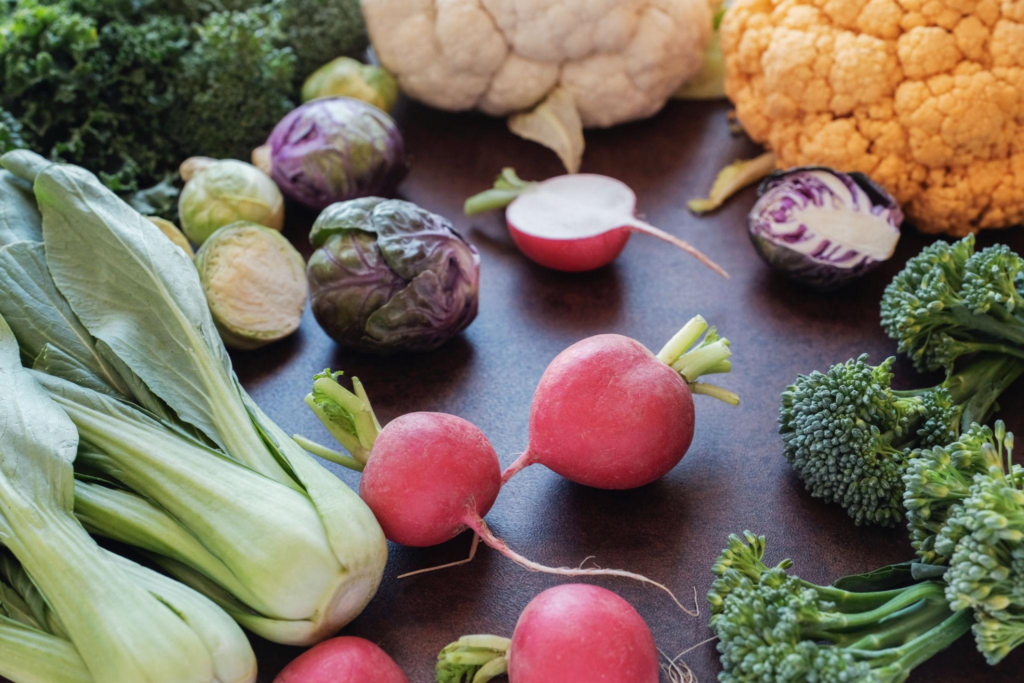
Low-Carb Vegetables
- Spinach
- Kale
- Broccoli
- Cauliflower
- Zucchini
- Cucumber
- Bell peppers
Healthy Fats
- Avocados
- Olives
- Coconut products
Protein Sources
- Grass-fed meat
- Eggs
- Seafood
Whole foods provide better nutrition, fiber, vitamins, and minerals.
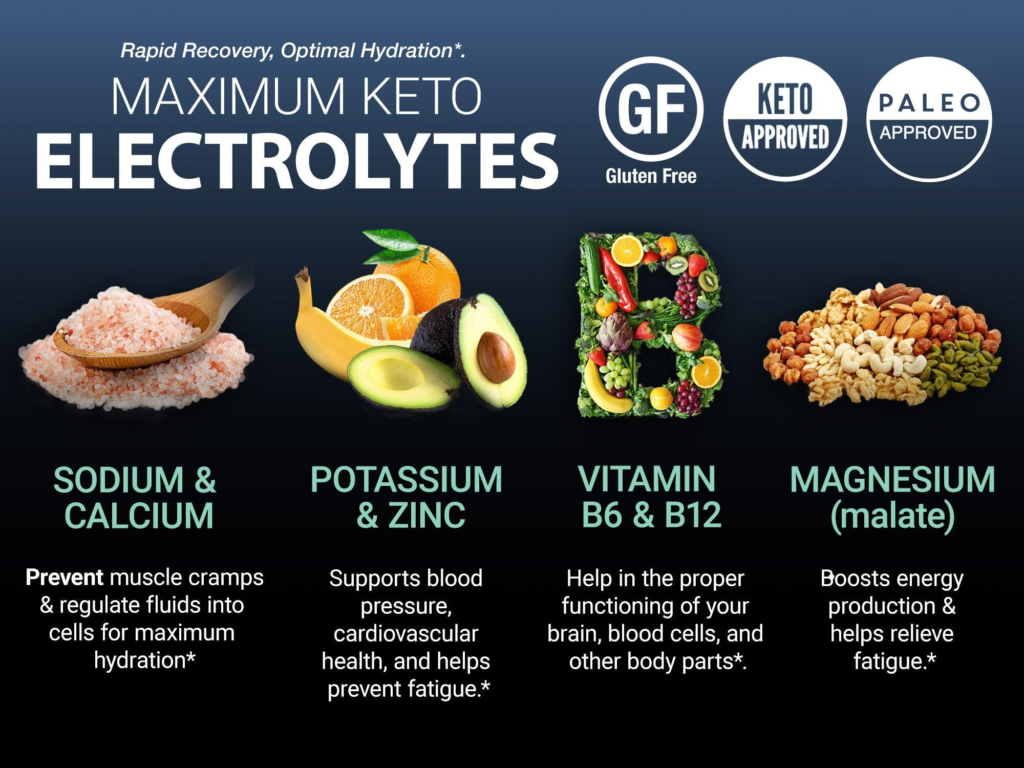
Rule 6: Stay Hydrated and Replace Electrolytes
One overlooked keto rule is proper hydration.
When carbs take drops, the body releases more water and electrolytes. This is why many beginners experience symptoms called the keto flu.
Symptoms of Keto Flu
- Fatigue
- Headaches
- Muscle cramps
- Dizziness
- Brain fog
- Weakness
These symptoms often occur because of low levels of:
- Sodium
- Potassium
- Magnesium
How to Prevent Keto Flu
We can reduce symptoms by:
- Drinking more water
- Adding electrolytes
- Eating mineral-rich foods
- Consuming broth or salted foods
Hydration is essential for maintaining energy and performance on keto.
Rule 7: Track Your Macros Carefully
Tracking macronutrients is one of the most effective ways to stay on track.
Many people unknowingly eat too many carbs or too much protein.
What Are Macros?
Macros are the three major nutrients:
- Fat
- Protein
- Carbohydrates
Using a food tracking app can help monitor intake and ensure ketosis remains active.
Rule 8: Eat Enough Fiber
Although keto limits many carbohydrate-rich foods, fiber is still essential for digestion and gut health.
Low-Carb High-Fiber Foods
- Chia seeds
- Flaxseeds
- Broccoli
- Cauliflower
- Leafy greens
- Avocados
Adequate fiber intake can help prevent constipation, which is common among keto beginners.
Rule 9: Plan Meals Ahead
Meal planning is one of the biggest predictors of keto success.
Without preparation, people often return to high-carb convenience foods.
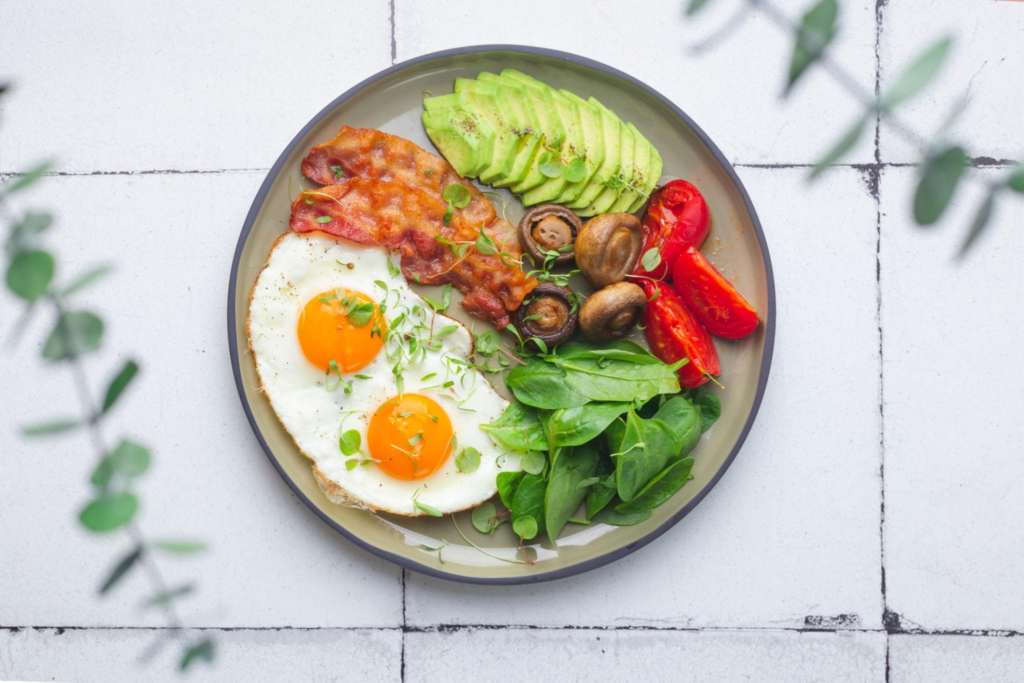
Simple Keto Meal Ideas
Breakfast
- Eggs cooked in butter with avocado
Lunch
- Grilled chicken salad with olive oil dressing
Dinner
- Salmon with roasted broccoli and cauliflower mash
Snacks
- Cheese
- Almonds
- Hard-boiled eggs
Planning meals reduces cravings and improves consistency.
Rule 10: Understand That Keto Is Not Magic
Although keto can be highly effective, calories still matter.
Eating unlimited high-calorie foods may slow weight loss even if ketosis is maintained.
Successful keto dieting combines:
- Carb restriction
- Nutrient quality
- Portion awareness
- Consistency
Keto works best when combined with healthy lifestyle habits.
Benefits of Following Keto Rules Correctly
When followed properly, keto may provide several health benefits.
Weight Loss
Many people experience rapid initial weight loss due to reduced water retention and appetite suppression.
Reduced Hunger
Fat and protein promote fullness, helping reduce overeating.
Improved Blood Sugar Control
Research suggests keto may help improve insulin sensitivity and stabilize blood glucose levels.
Better Mental Clarity
Some individuals report improved focus and steady energy levels during ketosis.
Increased Fat Burning
Ketosis encourages the body to rely on stored fat for energy.
Common Keto Mistakes to Avoid
Even motivated beginners often make avoidable mistakes.
Eating Too Many “Keto Treats”
Packaged keto desserts can stall progress.
Ignoring Electrolytes
Low sodium and magnesium can cause fatigue.
Not Reading Labels
Hidden carbs are common in sauces and processed foods.
Fear of Healthy Fats
Keto requires adequate fat intake for energy.
Expecting Instant Results
The body needs time to adapt to ketosis.
Who Should Avoid the Keto Diet?
Although keto can be beneficial for many people, it may not be suitable for everyone.
Individuals with the following conditions should consult a healthcare professional before starting:
- Type 1 diabetes
- Liver disease
- Pancreatic disorders
- Eating disorders
- Pregnancy complications
Medical guidance is important when making major dietary changes.
How Long Does It Take to Enter Ketosis?
Most people enter ketosis within:
- 2 to 7 days
This depends on:
- Carb intake
- Activity level
- Metabolism
- Glycogen storage
Signs of ketosis may include:
- Reduced appetite
- Increased energy
- Mild fruity breath odor
- Weight loss
- Mental clarity
Can You Exercise on Keto?
Yes. Many people successfully combine keto with exercise.
Best Workouts for Keto
- Walking
- Strength training
- Cycling
- Yoga
- Moderate cardio
Some athletes use targeted or cyclical keto approaches for higher-intensity performance.

Final Thoughts on the Main Rules of the Keto Diet
The keto diet is much more than simply avoiding bread and sugar. Success depends on following a clear set of nutritional rules consistently.
The most important keto principles include:
- Keeping carbs very low
- Eating healthy fats
- Consuming moderate protein
- Staying hydrated
- Replacing electrolytes
- Prioritizing whole foods
- Tracking macros
- Planning meals carefully
When these rules are followed correctly, keto can become a powerful tool for weight management, energy improvement, appetite control, and metabolic health.
The key to long-term keto success is consistency, balance, and understanding how the body responds to carbohydrates, fats, and protein.
