
A Science-Backed, Real-World Guide to Eating Smarter
If you’ve ever Googled “best foods for weight loss” and ended up more confused than when you started you’re not alone. The internet is flooded with conflicting advice: eat more fat, avoid fat entirely, try keto, go vegan, drink celery juice, cut carbs, don’t cut carbs. It’s exhausting.
Here’s the truth: weight loss in women isn’t just about eating less. It’s about eating right — for your hormones, your metabolism, your lifestyle, and your long-term health. Women’s bodies are biologically different from men’s in ways that directly affect how weight is gained, stored, and lost. Factors like estrogen levels, thyroid function, and even the menstrual cycle can influence appetite, cravings, and fat distribution. This means the foods that work best for weight loss in women deserve a conversation of their own. So let’s have it.
Why Women Need a Different Approach to Weight Loss
Before we dive into specific foods, it helps to understand what’s working against you and why what works for your husband, brother, or male colleague may not work the same way for you.
Women generally have more body fat and less muscle mass than men, even at the same body weight. Muscle burns more calories at rest than fat does, which means women often have a lower resting metabolic rate. Studies published in Obesity Reviews have consistently shown that women lose weight more slowly than men on identical calorie-restricted diets, even though the long-term outcomes tend to even out.
Then there’s hormones. Estrogen plays a huge role in where and how fat is stored. During the reproductive years, estrogen encourages fat storage around the hips and thighs. After menopause, as estrogen drops, fat tends to migrate toward the abdomen the kind more closely linked to heart disease and metabolic dysfunction. Stress hormones like cortisol, which many women produce in higher quantities due to chronic stress and poor sleep, further promote belly fat storage.
All of this means that choosing foods that support hormone balance, preserve muscle, stabilize blood sugar, and reduce inflammation isn’t just smart it’s essential.
The Best Foods for Weight Loss in Women
1. Eggs
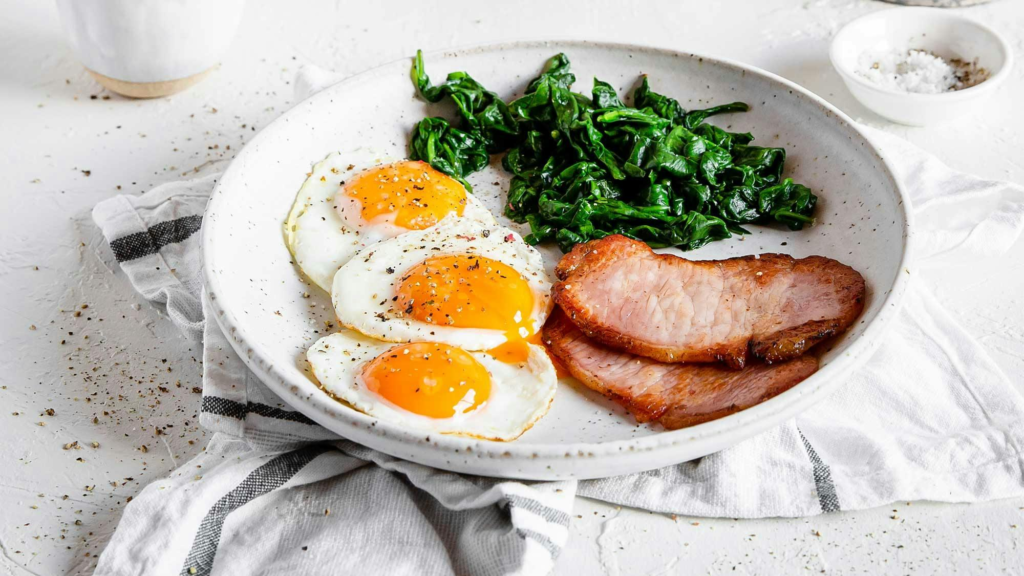
Eggs have had an unfair reputation for decades, but the science has firmly rehabilitated them. A single large egg contains about 6 grams of high-quality protein and 5 grams of healthy fat, all for roughly 70 calories. More importantly, eggs are extraordinarily satiating.
A well-cited study published in the International Journal of Obesity found that women who ate eggs for breakfast instead of a bagel of equal calories consumed significantly fewer calories throughout the rest of the day without even trying. The protein and fat in eggs blunt the blood sugar spike that refined carbohydrates cause, keeping hunger and cravings at bay for hours.
For women specifically, eggs also deliver choline, a nutrient most people don’t get enough of, which supports liver health and fat metabolism. They’re also rich in vitamin D, which many women are deficient in and low vitamin D levels have been linked to weight gain and difficulty losing weight.
2. Leafy Green Vegetables
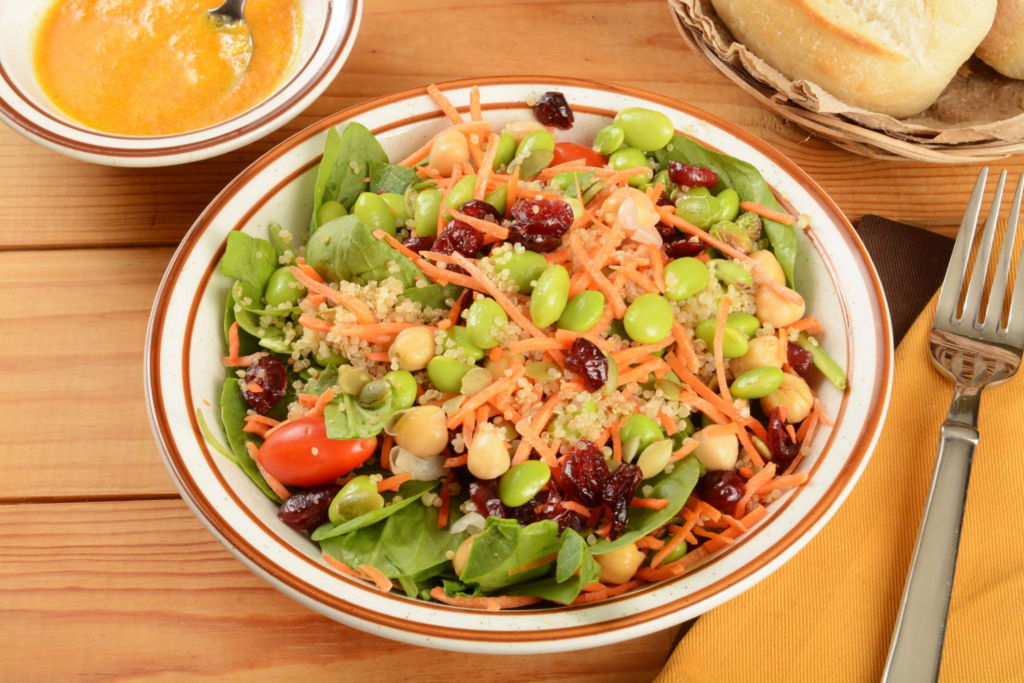
Spinach, kale, arugula, Swiss chard, romaine — these aren’t just diet food clichés. They’re genuinely powerful tools for weight management in women.
Here’s why: leafy greens are extraordinarily low in calories but high in volume, fiber, and water content. This combination makes them incredibly filling without adding caloric load. You can eat an enormous bowl of spinach for fewer than 30 calories. When you fill your plate with greens first, you naturally eat less of everything else.
But the benefits go beyond volume. Many leafy greens are rich in calcium and magnesium two minerals that support healthy cortisol regulation. Since elevated cortisol is a significant driver of belly fat in women, managing it through diet is a surprisingly effective strategy. Additionally, the folate in leafy greens supports thyroid function, which governs metabolic rate. Thyroid disorders, which affect women at nearly 10 times the rate of men, are a common hidden reason why women struggle to lose weight.
A practical tip: make greens the foundation of every meal, not an afterthought.
3. Legumes (Beans, Lentils, Chickpeas)
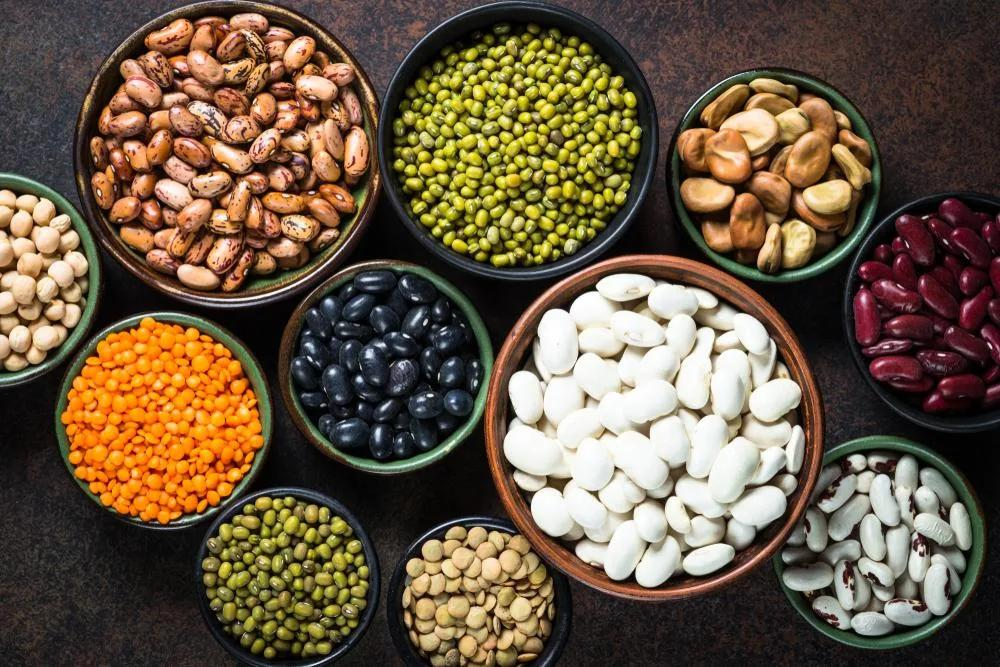
If there’s one food category that’s consistently underutilized in weight loss diets, it’s legumes. Beans and lentils offer a rare and powerful combination: they’re high in both protein and fiber, two of the most satisfying nutrients known to science.
A cup of cooked lentils, for example, delivers about 18 grams of protein and 16 grams of fiber and costs you around 230 calories. That protein-fiber combo does something remarkable in the gut: it slows digestion dramatically, steadies blood sugar, and keeps you feeling full for hours. Research from the American Journal of Clinical Nutrition has shown that people who regularly eat legumes have a 22% lower risk of obesity compared to those who rarely eat them.
For women, legumes have an additional bonus: they contain plant-based estrogens called phytoestrogens, specifically isoflavones, which can gently modulate estrogen activity in the body. For women in perimenopause or menopause navigating estrogen fluctuations, this can be a meaningful dietary advantage.
Black beans, lentil soups, chickpea salads, hummus there are dozens of delicious and practical ways to incorporate these into daily eating.
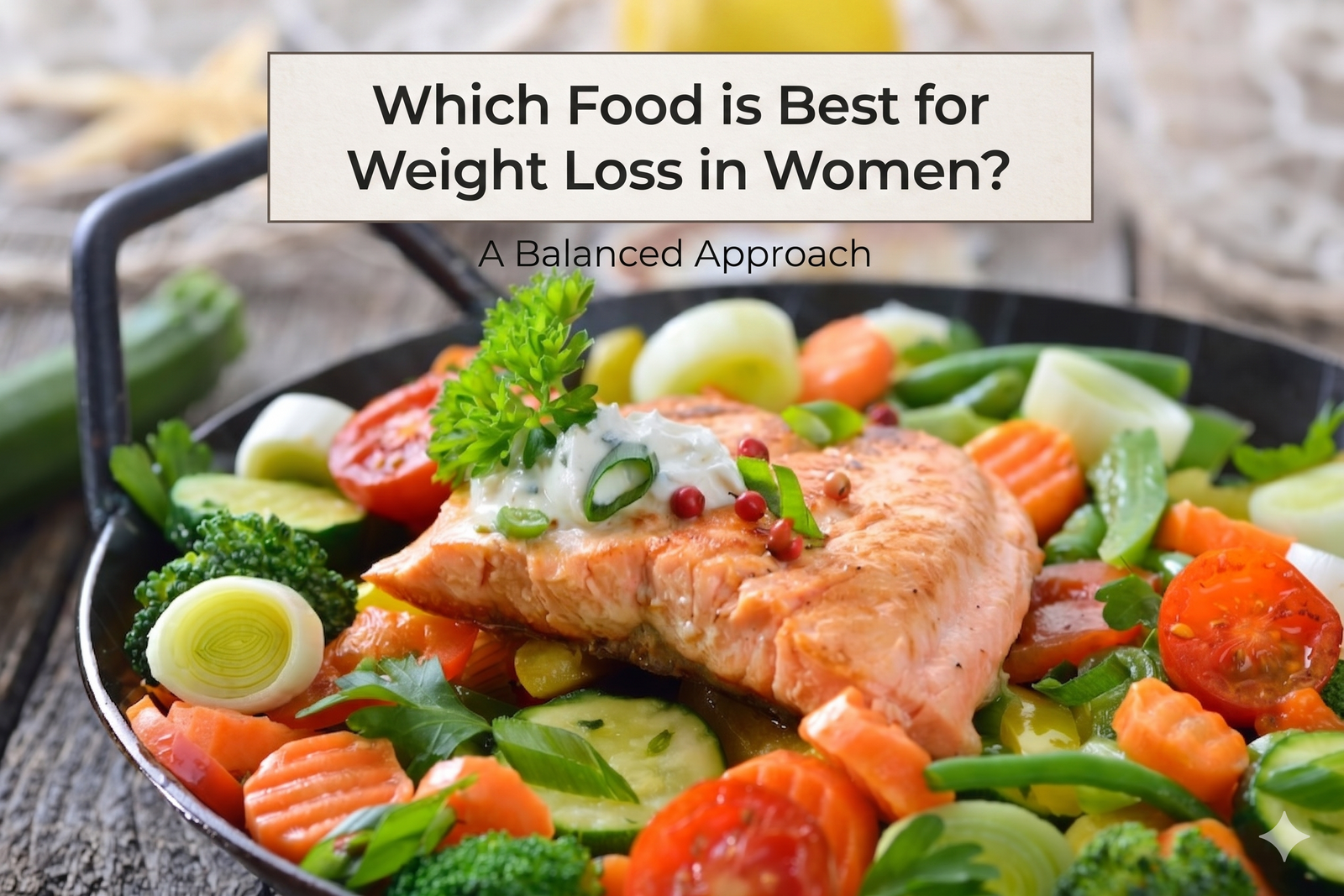
4. Fatty Fish (Salmon, Sardines, Mackerel)
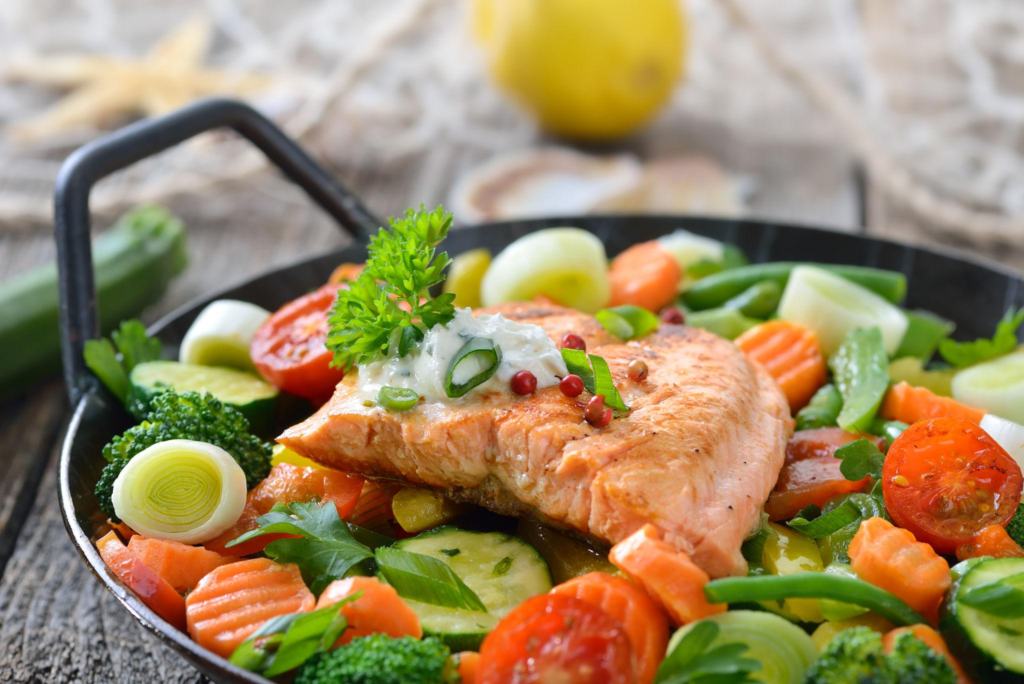
Omega-3 fatty acids have been studied extensively for their role in reducing inflammation — and inflammation, it turns out, is a significant barrier to weight loss. Chronic low-grade inflammation, which affects many women due to stress, poor sleep, processed food consumption, and hormonal changes, actively interferes with the hormones that regulate hunger and fat storage.
Fatty fish like salmon and mackerel are among the richest sources of omega-3s in the human diet. Beyond reducing inflammation, omega-3s have been shown in multiple studies to reduce appetite, improve insulin sensitivity, and even slightly increase fat burning during exercise.
Salmon is also one of the best dietary sources of protein a 3-ounce serving delivers roughly 22 grams. Protein is the most thermogenic macronutrient, meaning your body burns more calories simply digesting it compared to carbohydrates or fat. High-protein diets are consistently shown in research to outperform lower-protein approaches for weight loss in women, particularly in preserving muscle while losing fat.
Aim for two to three servings of fatty fish per week if possible.
5. Greek Yogurt
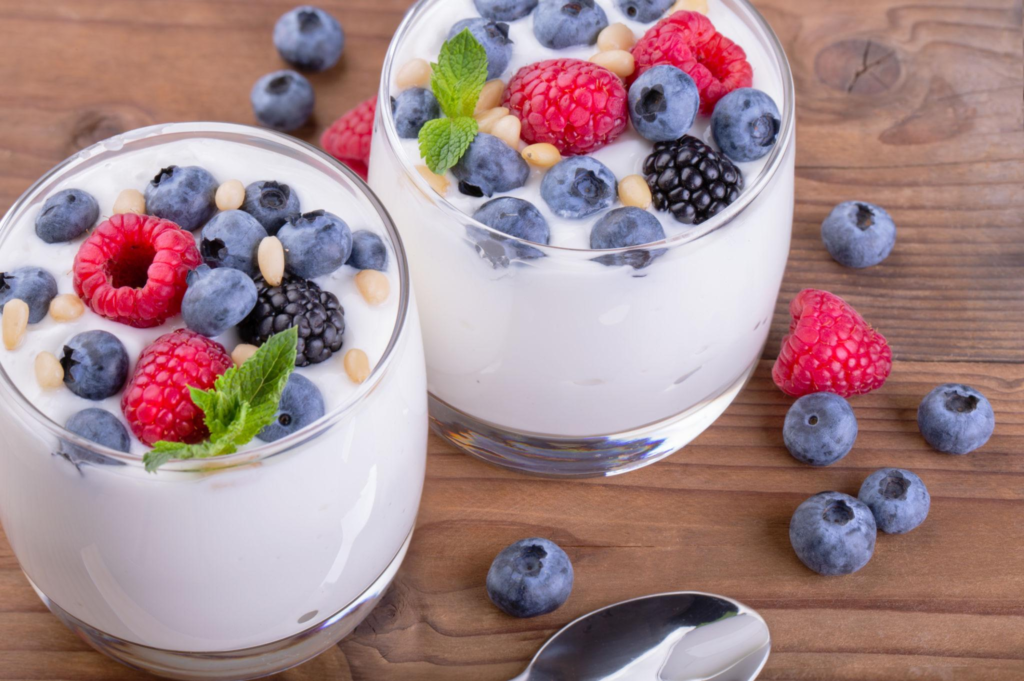
Not all dairy is created equal, and Greek yogurt stands in a category of its own. A single cup of plain, full-fat Greek yogurt contains 15 to 20 grams of protein comparable to a chicken breast along with gut-supporting probiotics and bone-strengthening calcium.
The gut microbiome connection to weight loss is an exciting and rapidly growing area of research. Evidence suggests that the balance of bacteria in the gut influences how many calories are extracted from food, how fat is stored, and even how appetite hormones like ghrelin and leptin behave. Probiotic-rich foods like Greek yogurt support a healthier microbial balance, which over time may support more efficient weight management.
Calcium is also worth highlighting specifically for women. Research from the University of Tennessee found that women who consumed three daily servings of dairy lost significantly more fat particularly belly fat than women who ate a low-calcium diet of identical calories. The mechanism appears to involve calcium’s role in how fat cells are formed and broken down.
Choose plain varieties to avoid the added sugars that often turn yogurt into dessert in disguise.
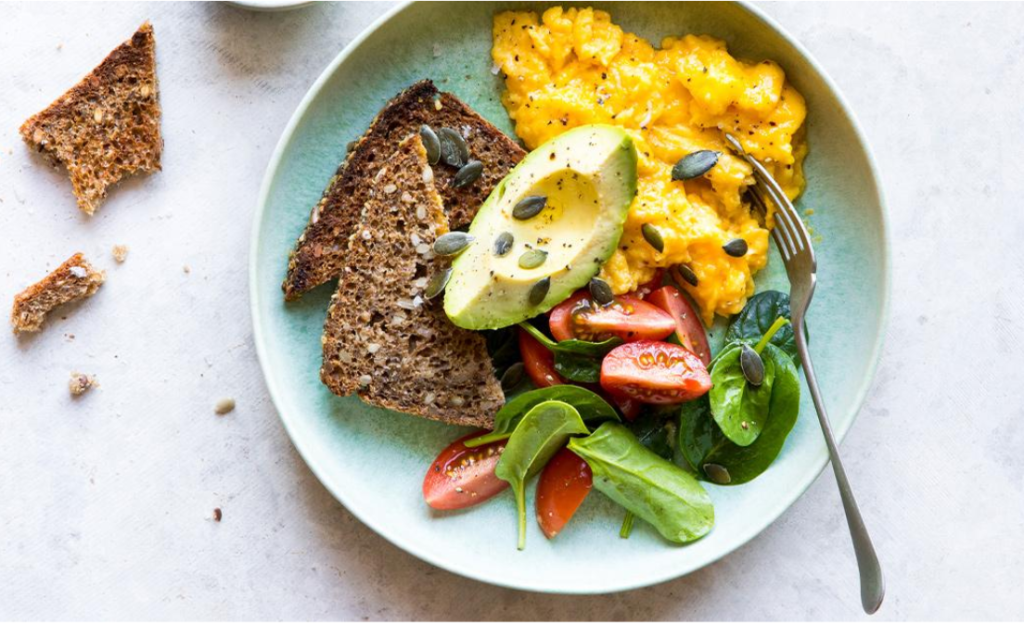
6. Avocados
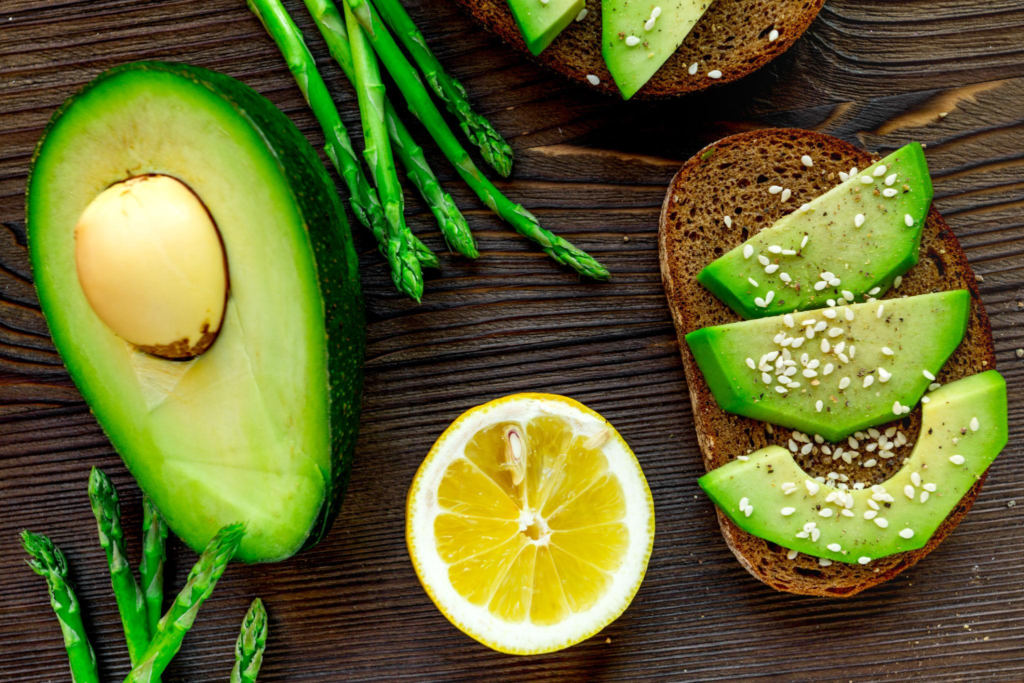
Fat from avocados is not the same as fat from a bag of chips. Avocados are rich in monounsaturated fatty acids the same heart-healthy fats found in olive oil — which have been shown to reduce visceral (belly) fat in women more effectively than diets high in refined carbohydrates.
A study published in the Journal of Nutrition in 2021 specifically tracked women who ate one avocado per day for 12 weeks. The results showed a significant reduction in deep abdominal fat compared to the control group. The researchers attributed this partly to the fat type, and partly to the fiber content a single avocado contains about 10 grams of dietary fiber.
Avocados also slow digestion and stabilize blood sugar in a similar way to legumes, helping women avoid the energy crashes and subsequent overeating that often follow high-carbohydrate, low-fat meals.
Half an avocado on eggs in the morning or sliced over a salad at lunch is a simple, satisfying addition to almost any eating plan.
7. Berries
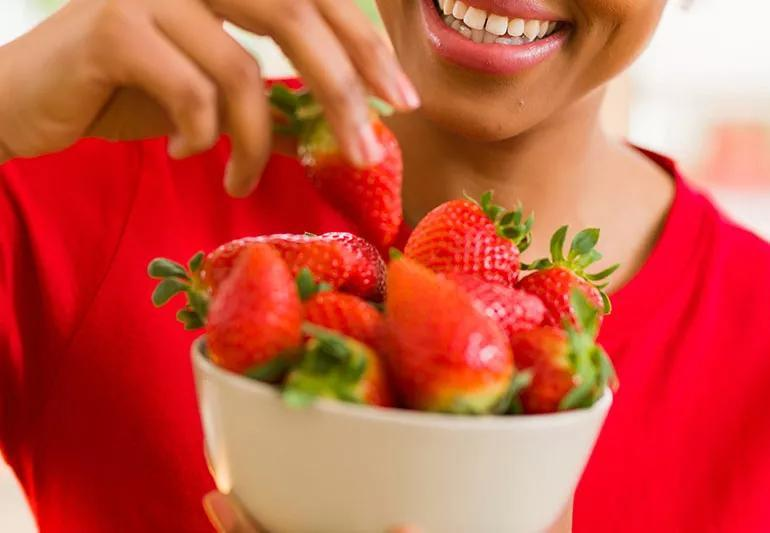
Strawberries, blueberries, raspberries, blackberries these small fruits punch well above their weight when it comes to weight loss. Berries are among the lowest-sugar fruits available, with a cup of raspberries containing only about 5 grams of sugar and a remarkable 8 grams of fiber.
That fiber-to-sugar ratio is what makes berries special. Unlike fruit juices or even some whole fruits, berries don’t trigger sharp blood sugar spikes. Instead, their fiber slows the absorption of natural sugars, providing sustained energy and prolonged satiety.
Berries are also loaded with polyphenols plant compounds that growing research links to improved gut health and reduced fat accumulation. One particular group, anthocyanins (which give berries their deep color), has been associated in animal and early human studies with reduced fat cell formation.
For women with a sweet tooth, berries are one of the best ways to satisfy sugar cravings without derailing progress.
8. Cruciferous Vegetables (Broccoli, Cauliflower, Brussels Sprouts)
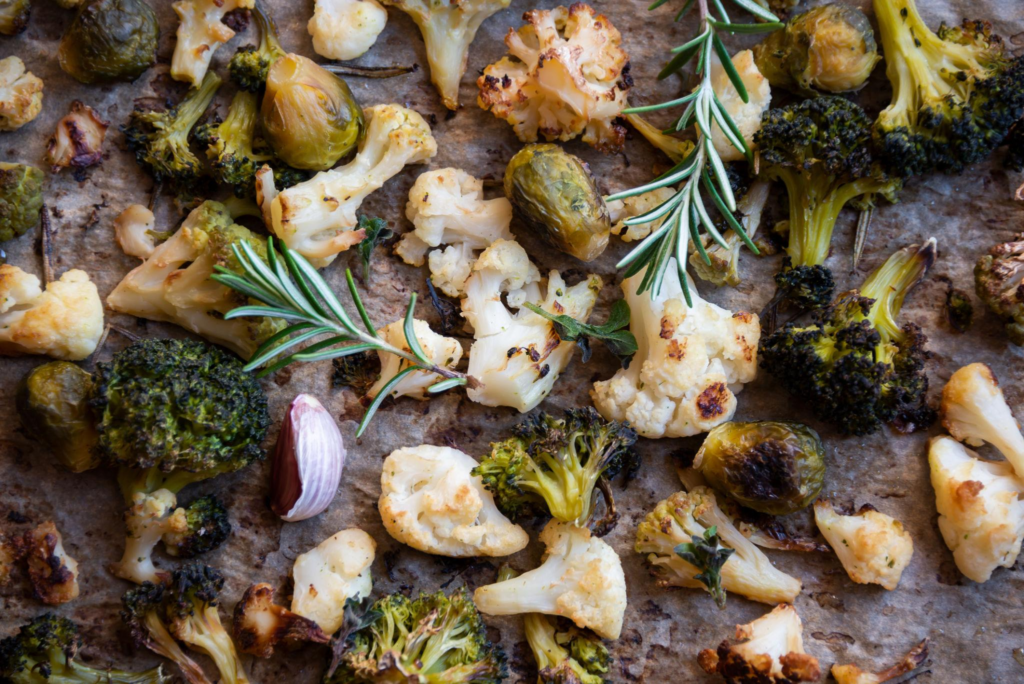
Broccoli and its relatives deserve special mention because of a unique compound they contain called indole-3-carbinol (I3C). This phytonutrient helps the liver metabolize and clear excess estrogen from the body which is directly relevant for women struggling with estrogen dominance, a condition associated with weight gain, bloating, and difficulty losing fat particularly around the hips and abdomen.
Beyond their hormone-supporting role, cruciferous vegetables are filling, fiber-rich, and remarkably low in calories. A cup of broccoli has about 55 calories and 5 grams of fiber. They’re also high in vitamin C, which supports cortisol regulation and immune function.
Roasting cruciferous vegetables with olive oil and garlic transforms them from a bland diet staple into something genuinely enjoyable an important consideration, because sustainability matters more than any single superfood.
The Bigger Picture: How These Foods Work Together
No single food will cause dramatic weight loss on its own. What matters is the cumulative effect of consistently choosing foods that are satiating, nutrient-dense, and supportive of your hormonal health.
The common thread in every food on this list is that they naturally reduce hunger without requiring you to white-knuckle your way through calorie restriction. When your meals are built around protein, fiber, and healthy fats as opposed to refined carbohydrates and sugar appetite regulation becomes far more effortless. You’re not fighting your biology; you’re working with it.
Women also benefit enormously from eating consistently throughout the day rather than skipping meals, particularly breakfast.Skipping meals increases cortisol, promotes muscle breakdown, and often leads to overeating later. Starting the day with a protein-rich breakfast (eggs, Greek yogurt, a smoothie with protein powder) sets a stable hormonal foundation for the hours ahead.
Conclusion
Weight loss is deeply personal, and it works best when it’s built on understanding rather than restriction.The foods discussed here aren’t a punishment they’re genuinely delicious, deeply nourishing, and chosen because they actively support the way women’s bodies function.
Start where you can. Add an egg to breakfast. Swap chips for berries. Try a lentil soup for lunch once a week. Small, consistent changes build on each other over time and create a way of eating that’s not just effective in the short term, but sustainable for life. That, ultimately, is the goal not a crash diet, but a relationship with food that serves your body well for decades to come.
