
Starting a fitness journey is exciting, but many beginners quickly realize that exercise alone is not enough. The real transformation happens when training and nutrition work together. Whether the goal is weight loss, muscle gain, improved stamina, or simply better health, a proper fitness nutrition plan creates the foundation for long-term success.
Many people spend hours in the gym while ignoring what they eat. Others follow extreme diets that are difficult to maintain. The truth is much simpler. A beginner-friendly Fitness Nutrition Plan should be balanced, practical, sustainable, and designed to support both physical performance and overall health.
In this detailed guide, we will explore everything beginners need to know about fitness nutrition, including calories, macronutrients, meal timing, hydration, supplements, common mistakes, and sample meal ideas.
Why Nutrition Matters in Fitness
Exercise breaks down muscle tissue and uses energy stored in the body. Nutrition helps rebuild muscles, restore energy, improve recovery, and support overall body function.
Without proper nutrition:
-
- Muscle recovery becomes slower
-
- Energy levels drop
-
- Fat loss becomes harder
-
- Strength gains decrease
-
- Motivation often disappears
Studies in sports nutrition consistently show that people who combine structured eating habits with regular exercise achieve significantly better results than those who focus only on workouts.
Fitness nutrition is not about starving yourself. It is about giving the body the right fuel at the right time.
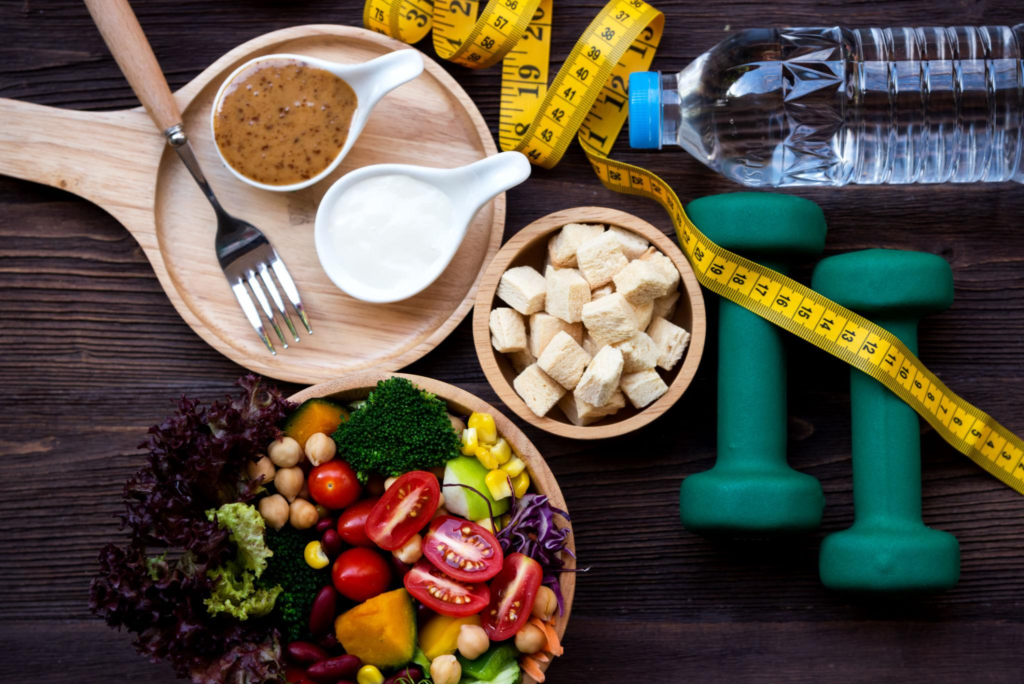
Understanding Calories: The Foundation of Every Fitness Plan
Calories are units of energy. Every food and drink contains calories, and the body uses them for movement, recovery, breathing, and basic survival.
Your fitness goal determines how many calories you should consume.
1. For Weight Loss
Consume fewer calories than your body burns.
This creates a calorie deficit, forcing the body to use stored fat for energy.
2. For Muscle Gain
Consume slightly more calories than your body expends.
This provides extra energy needed for muscle growth and recovery.
3. For Maintenance
Consume roughly the same number of calories your body burns daily.
This helps maintain current body weight and fitness levels.
For beginners, drastic calorie cutting is a mistake. Moderate adjustments work better and are easier to sustain.
The Three Main Macronutrients
A successful Fitness Nutrition Plan depends heavily on balancing macronutrients.
1. Protein: The Muscle Builder
Protein repairs and builds muscle tissue. It is one of the most important nutrients for anyone involved in fitness.
Best Protein Sources
-
- Eggs
-
- Chicken breast
-
- Fish
-
- Paneer
-
- Greek yogurt
-
- Lentils
-
- Tofu
-
- Milk
-
- Beans
-
- Whey protein
Recommended Intake
Most beginners should aim for around 1.6 to 2.2 grams of protein per kilogram of body weight daily.
For example:
-
- A 70 kg beginner may need approximately 110 to 150 grams of protein daily.
Protein also increases fullness, helping control hunger and support fat loss.
2. Carbohydrates: The Body’s Main Energy Source
Carbohydrates are often misunderstood. Many beginners fear carbs because of trendy diet myths, but healthy carbohydrates are essential for performance and recovery.
Carbs provide energy for:
-
- Strength training
-
- Running
-
- Sports activities
-
- Brain function
-
- Daily movement
Healthy Carb Sources
-
- Oats
-
- Brown rice
-
- Sweet potatoes
-
- Fruits
-
- Whole wheat bread
-
- Quinoa
-
- Vegetables
-
- Millets
Why Beginners Need Carbs
Without enough carbohydrates:
-
- Workouts feel harder
-
- Energy crashes occur
-
- Recovery slows down
-
- Muscle growth becomes difficult
Complex carbohydrates digest slowly and provide steady energy throughout the day.
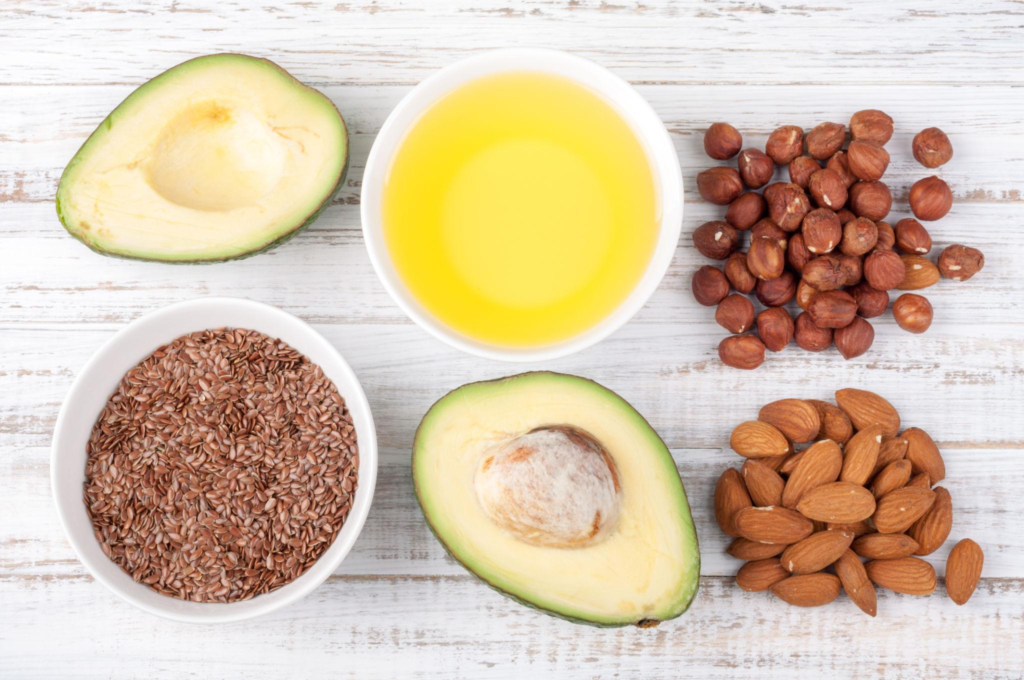
3. Healthy Fats: Key to Hormonal Balance and Faster Recovery
Healthy fats support:
-
- Hormone production
-
- Joint health
-
- Brain function
-
- Vitamin absorption
-
- Long-lasting energy
Healthy Fat Sources
-
- Nuts
-
- Seeds
-
- Peanut butter
-
- Olive oil
-
- Avocados
-
- Fatty fish
-
- Almonds
-
- Walnuts
Avoid completely eliminating fats from the diet. Low-fat diets often reduce energy levels and negatively affect recovery.
The Importance of Hydration in Fitness
Water is one of the most overlooked aspects of fitness nutrition.
Even mild dehydration can reduce:
-
- Strength
-
- Endurance
-
- Focus
-
- Recovery speed
Basic Hydration Guidelines
-
- Aim to drink between 2.5 and 3 liters of water each day.
-
- Increase intake during intense workouts
-
- Consume extra water in hot weather
-
- Drink before, during, and after exercise
Signs of dehydration include fatigue, headaches, dizziness, and muscle cramps.

Best Meal Timing for Beginners
Meal timing is less important than total daily nutrition, but it still helps improve performance and recovery.
Pre-Workout Meals
A pre-workout meal should provide energy without causing discomfort.
Ideal Pre-Workout Foods
-
- Banana with peanut butter
-
- Oats with milk
-
- Rice with chicken
-
- Yogurt with fruit
Eat around 1 to 2 hours before training.
Post-Workout Nutrition
After exercise, the body needs nutrients to recover and rebuild muscle.
Good Post-Workout Options
-
- Whey protein shake
-
- Eggs and toast
-
- Chicken with rice
-
- Paneer with vegetables
-
- Greek yogurt with fruit
Combining protein and carbohydrates after training improves muscle recovery and replenishes energy stores.
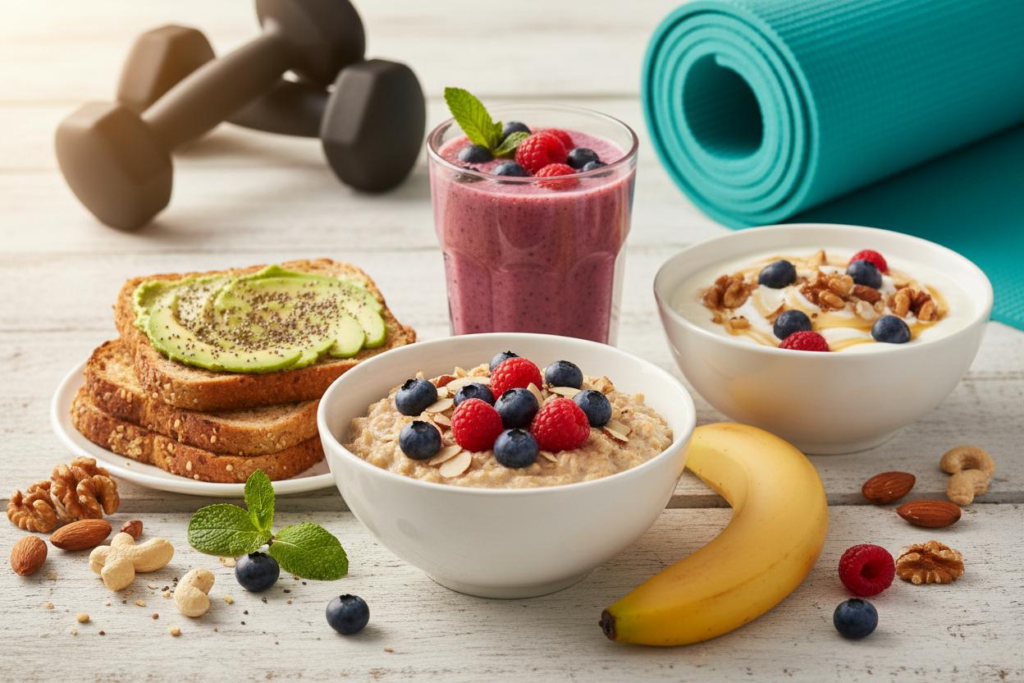
Sample Beginner Fitness Nutrition Plan
Breakfast
-
- Oats with milk and banana
-
- 2 boiled eggs
-
- Handful of almonds
Mid-Morning Snack
-
- Apple
-
- Greek yogurt
Lunch
-
- Brown rice or chapati
-
- Grilled chicken or paneer
-
- Mixed vegetables
-
- Salad
Pre-Workout Snack
-
- Banana
-
- Peanut butter
Post-Workout
-
- Protein shake or boiled eggs
Dinner
-
- Fish, chicken, tofu, or dal
-
- Sweet potato or rice
-
- Vegetables
Before Bed
-
- Milk or cottage cheese
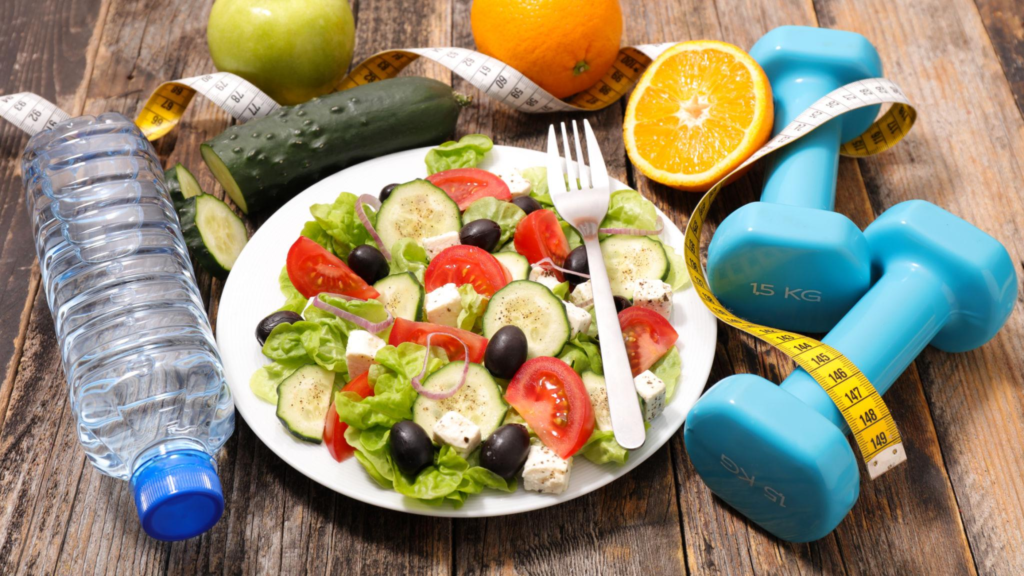
This type of balanced eating pattern provides protein, healthy fats, carbohydrates, vitamins, and minerals.
Micronutrients: The Hidden Key to Better Performance
Macronutrients may get the spotlight, but micronutrients are equally crucial.
Key micronutrients include:
-
- Iron
-
- Calcium
-
- Vitamin D
-
- Magnesium
-
- Zinc
-
- Potassium
Deficiencies can reduce performance and recovery.
Best Sources
-
- Leafy vegetables
-
- Fruits
-
- Dairy products
-
- Nuts and seeds
-
- Fish
-
- Whole grains
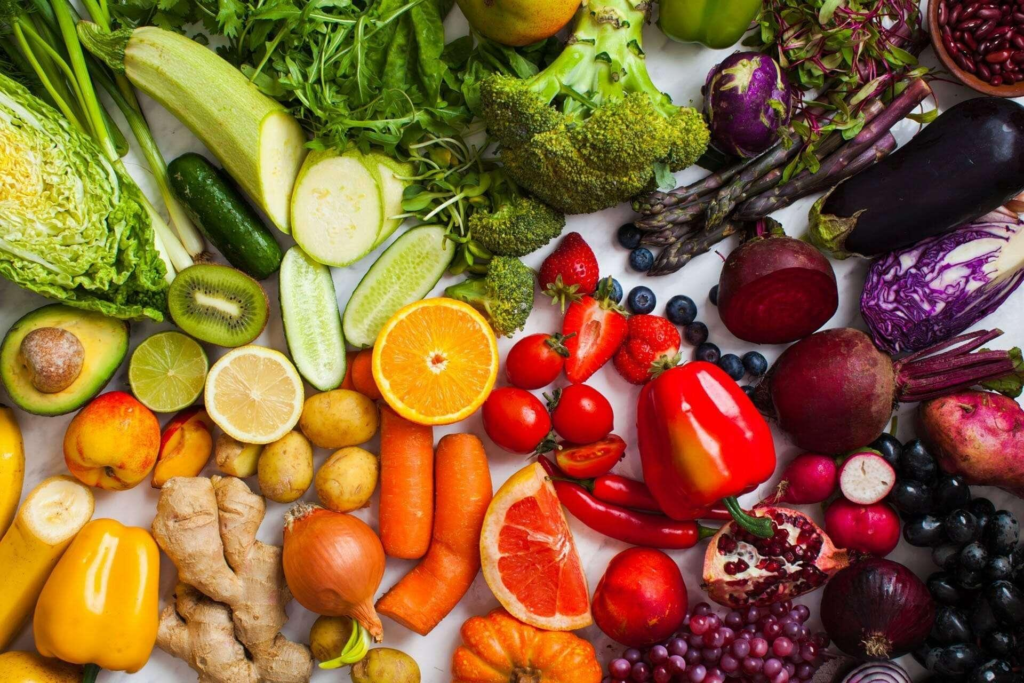
Eating a variety of colorful foods helps cover micronutrient needs naturally.
Supplements Beginners Should Consider
Supplements are optional, not mandatory. Whole foods should always come first.
However, some supplements may help beginners.
1. Whey Protein
Convenient source of high-quality protein.
Perfect for anyone finding it hard to hit daily protein goals.
2. Creatine Monohydrate
One of the most researched fitness supplements.
Benefits include:
-
- Increased strength
-
- Better workout performance
-
- Improved muscle recovery
3. Multivitamins
Helpful for individuals with nutritional gaps.
4. Fish Oil
Supports heart health and reduces inflammation.
Avoid relying on supplements while ignoring overall diet quality.
Common Beginner Nutrition Mistakes
1. Eating Too Little
Extreme dieting slows metabolism and reduces energy.
2. Avoiding All Carbs
Carbohydrates are necessary for exercise performance.
3. Inconsistent Eating
Healthy eating must become a long-term habit.
4. Overeating “Healthy” Foods
Even healthy foods contain calories.
5. Ignoring Protein Intake
Low protein intake slows muscle recovery and growth.
6. Skipping Hydration
Water intake directly affects physical performance.
How to Stay Consistent With a Fitness Nutrition Plan
Consistency matters more than perfection.
Practical Tips
-
- Prepare meals in advance
-
- Keep healthy snacks nearby
-
- Avoid skipping meals
-
- Track progress weekly
-
- Focus on habits, not quick fixes
-
- Allow occasional treats in moderation
A sustainable nutrition plan should fit naturally into daily life.

Fitness Nutrition for Weight Loss Beginners
For fat loss:
-
- Prioritize protein
-
- Eat more fiber-rich foods
-
- Reduce sugary drinks
-
- Maintain a moderate calorie deficit
-
- Combine strength training with cardio
Best Foods for Fat Loss
-
- Lean proteins
-
- Vegetables
-
- Fruits
-
- Whole grains
-
- Legumes
Crash diets often lead to muscle loss and rebound weight gain.
Fitness Nutrition Plan for Muscle Gain Beginners
For muscle building:
-
- Eat enough calories
-
- Increase protein intake
-
- Train consistently
-
- Prioritize recovery
-
- Sleep 7 to 9 hours daily
Best Muscle-Building Foods
-
- Chicken
-
- Eggs
-
- Rice
-
- Oats
-
- Peanut butter
-
- Milk
-
- Potatoes
-
- Paneer
Muscle growth takes time. Patience and consistency are essential.
The Role of Sleep in Fitness Nutrition
Nutrition and exercise are ineffective without proper sleep.
Poor sleep affects:
-
- Hormone balance
-
- Muscle recovery
-
- Hunger levels
-
- Workout performance
Most adults need at least 7 to 9 hours of quality sleep every night.

How Long Does It Take to See Results?
Most beginners notice:
-
- Improved energy within 1 to 2 weeks
-
- Strength gains in 3 to 6 weeks
-
- Visible body changes in 8 to 12 weeks
Results depend on:
-
- Consistency
-
- Sleep quality
-
- Workout intensity
-
- Diet adherence
-
- Stress levels
The key is staying committed long enough for healthy habits to produce lasting results.
Final Thoughts
A beginner fitness nutrition plan does not need to be complicated. The best approach is balanced, realistic, and sustainable. Instead of chasing fad diets or extreme restrictions, focus on eating nutritious foods consistently while supporting your workouts with enough protein, carbohydrates, healthy fats, and hydration.
Fitness is not built through temporary motivation. It is built through daily habits repeated over time. When proper nutrition becomes part of your lifestyle, better energy, improved strength, fat loss, muscle growth, and overall health naturally follow.
The journey may begin with a simple meal choice today, but over time, those small choices create major physical and mental transformation.
