
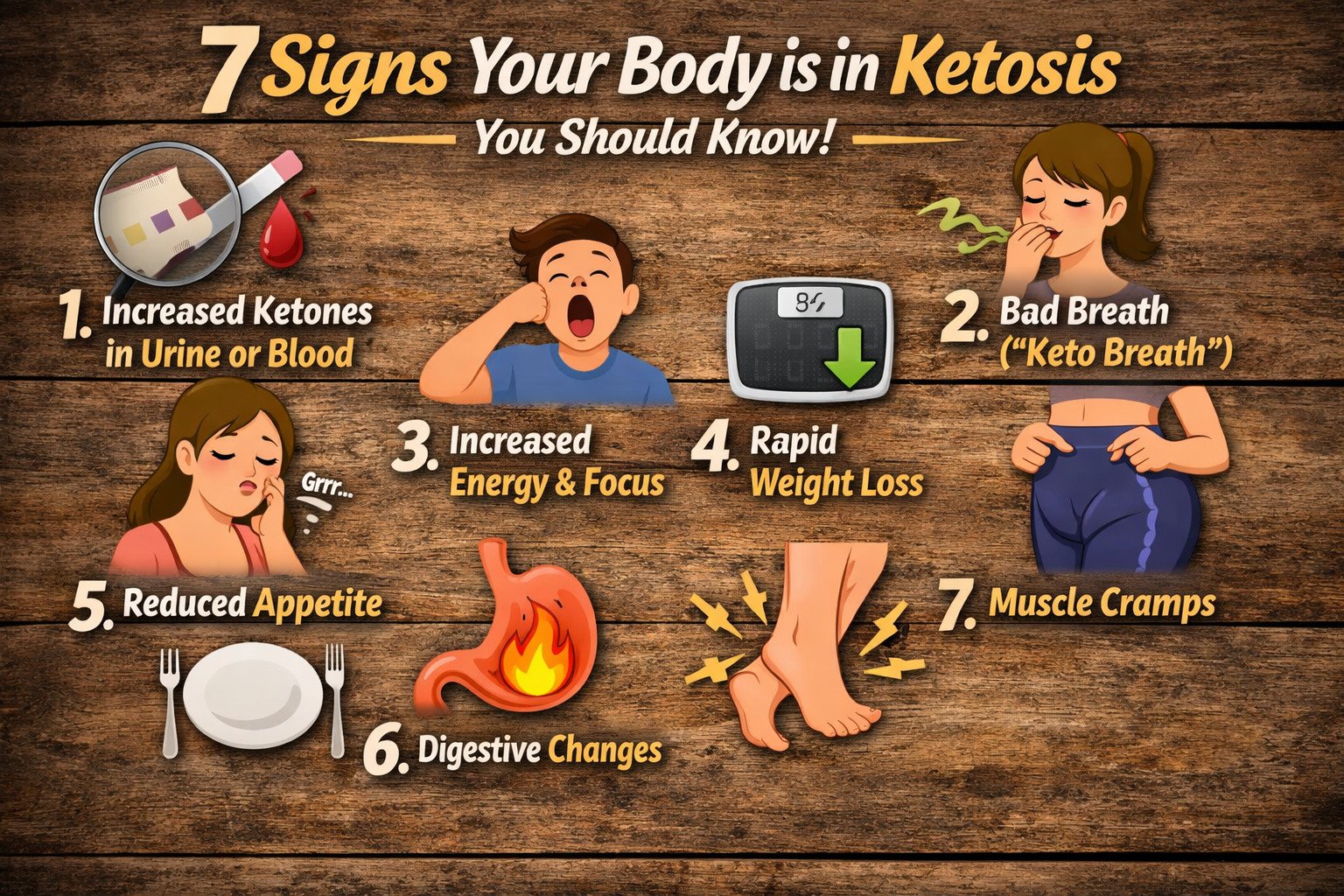
Starting a low-carb lifestyle can feel like exploring new territory. You might ask what are 7 signs your body is in ketosis as you switch to burning fat instead of glucose. Knowing these signs helps you track your progress and reach your wellness goals.
Understanding how your body changes is key to success. When you adapt to fat, you gain many keto diet benefits. These include better energy and clearer thinking. Spotting these signs helps you smoothly move through the transition and keep your diet on track.
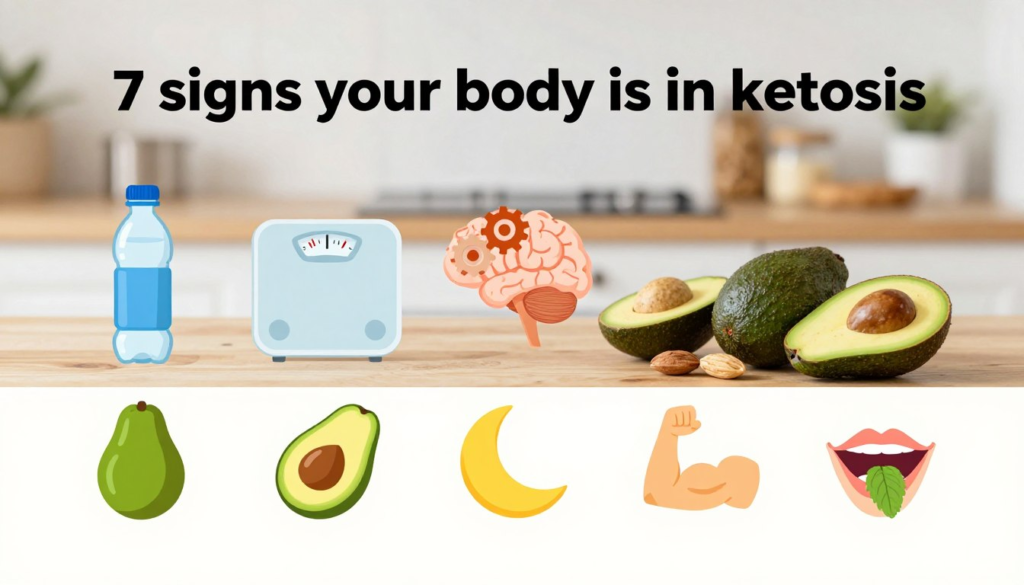
This guide offers practical tips to watch your health during this big change. We’ll look at the small signs that show your body has switched to using fat for energy.
Key Takeaways
-
- Knowing metabolic signs helps you stick to your diet plan.
-
- Adapting to fat means you have energy all day.
-
- Tracking physical changes keeps you on track with your health goals.
-
- Clearer thinking often comes when your brain uses ketones for energy.
-
- Watching your progress helps avoid common early challenges.
Understanding the Metabolic Shift
Learning about the metabolic state is key to better health. Starting a ketogenic lifestyle means teaching your body to use fats instead of sugars. This change makes your body more efficient and sustainable.
The heart of this change is the fat burning process. Usually, your cells use carbs for energy. But by eating fewer carbs, your liver starts making ketones from fats.

Ketones then fuel your brain and muscles. This shift in how your cells make energy is what ketosis is all about. Soon, you might find you have more energy all day.
Being on a ketogenic lifestyle is more than just food choices. It’s about how your body works. Eating healthy fats helps your body burn fat better. Consistency is crucial to keep your body in this efficient state.
What are 7 signs your body is in ketosis
Starting a low-carb lifestyle can be exciting. Knowing what are 7 signs your body is in ketosis keeps you motivated. It’s normal to feel unsure at first. But, your body gives clear signs when it changes its main fuel source.

Switching to a new metabolic state takes time and attention. Look for these seven signs to see if you’re getting there:
-
- Changes in breath: You might smell fruity or metallic.
-
- Rapid initial weight loss: This is often water weight.
-
- Appetite suppression: You might feel full longer.
-
- Increased mental clarity: You might feel more alert.
-
- Stable energy levels: You might crash less in the afternoon.
-
- Improved sleep quality: You might sleep deeper.
-
- Digestive adjustments: Your body gets used to more fat.
Getting into nutritional ketosis is about how your body uses food. It’s not just about what you eat. These signs show your body is changing in real ways.
“The secret of getting ahead is getting started, and the secret of getting started is breaking your complex tasks into small, manageable tasks.”
By watching for these seven signs, you’ll know your hard work is paying off. Consistency is key to staying in this state. Trust your body as it learns to burn fat for energy.
Physical Indicators of Ketosis
Your body changes a lot when it starts burning ketones instead of glucose. You might notice several changes as your metabolism adjusts. These signs show that your body is now burning fat efficiently.

Monitoring Changes in Breath and Body Odor
One early sign is keto breath. This happens because your body makes more ketones, like acetone, which you breathe out. It’s a sign your body is burning fat.
Drinking lots of water helps get rid of these ketones. Good oral hygiene and sugar-free mints can also boost your confidence during this time.
Observing Weight Loss and Water Retention Shifts
Many see rapid weight loss in the first week. This is mostly water weight, not fat. When your glycogen stores are used up, your body releases stored water.
This is a good sign of change. The quick weight loss is just your body getting rid of water. Stick to your diet to start burning fat instead.
Tracking Appetite Suppression and Cravings
Stable blood sugar levels lead to less hunger. Appetite suppression is common on a ketogenic diet. Fat and protein keep you full, so you don’t need snacks.
This makes it easier to follow your diet. You might not feel hungry for hours, showing your body is using fat for energy. Feeling full is a big plus of this lifestyle.
Cognitive and Energy Changes
When your body adapts to using fat as fuel, you’ll see big changes. Your mind will work better, and you’ll have more energy all day. This change helps your body use ketones instead of glucose, leading to better mental clarity and keto energy levels.

Experiencing Increased Mental Clarity and Focus
Using ketones as brain fuel can clear up “brain fog.” Unlike glucose, ketones give your brain a steady flow of energy. This means you can focus better on tough tasks.
Your brain will get better at handling complex projects. This is because it’s now using ketones as its main fuel.
Managing Fluctuations in Physical Energy Levels
At first, you might feel tired while your body gets used to fat as fuel. This is normal. Your muscles are learning to use fat instead of glycogen, which can make you feel weak.
To keep your energy up, drink plenty of water and make sure you get enough electrolytes. These small steps can help you avoid feeling tired in the middle of the day. This is especially true if you’re used to eating a lot of carbs.
| Energy Source | Stability | Cognitive Impact |
| Glucose | High Volatility | Frequent Brain Fog |
| Ketones | High Consistency | Enhanced Focus |
| Mixed | Moderate | Variable Performance |
Testing Methods to Confirm Your Status
You can easily check if you’re in nutritional ketosis with special tools. These tools help you make better food choices. They show how your meals change your body’s state.

Using Urine Test Strips for Quick Results
Many start with urine test strips because they’re cheap and easy to find. These strips show if you have acetoacetate in your urine. They’re great for beginners who want a simple “yes or no” answer.
But, these strips aren’t as accurate as you get better at burning fat. Your body gets better at using ketones, leaving less in your urine. This can lead to false negatives, even when you’re in ketosis.
Utilizing Blood Ketone Meters for Accuracy
A blood ketone meter is the most accurate tool. It measures beta-hydroxybutyrate in your blood. It gives a clear picture of your metabolic health.
This method needs a small finger prick but is very accurate. Many athletes and strict followers use it. It gives clear numbers to adjust their diet.
Interpreting Breath Ketone Analyzers
Breath ketone analyzers are easy and non-invasive. They measure acetone in your breath. They’re good for daily checks without needles or strips.
Test at the same time each day, like morning. This helps track changes and see how food and exercise affect you. It’s useful for keeping ketosis over time.
| Method | Accuracy | Ease of Use | Cost |
| Urine Strips | Low | Very High | Low |
| Blood Meter | Very High | Moderate | High |
| Breath Analyzer | Moderate | High | Moderate |
Managing Common Side Effects During Transition
Starting a ketogenic lifestyle can be tough at first. Your body is changing how it uses energy, moving from carbs to fat. Understanding these changes is key to a smooth transition.
Addressing the Keto Flu Symptoms
You might feel the “keto flu” in the first week. Symptoms include tiredness, mood swings, or headaches. These happen because your body is getting used to a new energy source.
Drink plenty of water to help your body adjust. Adding a bit of sea salt to your water can also boost your energy.
Maintaining Electrolyte Balance for Optimal Health
Keeping your electrolyte balance right is crucial. When you eat fewer carbs, your body loses important minerals. Replacing sodium, potassium, and magnesium is key to avoid muscle cramps and brain fog.
Eating foods rich in minerals can help. Leafy greens, avocados, and nuts are great sources. Taking care of your electrolyte levels makes your transition smoother.
| Symptom | Potential Cause | Recommended Action |
| Headache | Dehydration | Increase water and sodium |
| Muscle Cramps | Magnesium deficiency | Eat spinach or pumpkin seeds |
| Fatigue | Low electrolytes | Consume potassium-rich foods |
| Brain Fog | Metabolic shift | Ensure adequate healthy fats |
Adjusting Your Diet for Sustained Ketosis
Sustained ketosis is a journey, not a fixed goal. To get the most from the keto diet benefits, you need to go beyond simple rules. Keeping track of what you eat helps your body stay in fat-burning mode and gives you the energy you need.
Calculating Your Daily Macronutrient Intake
Tracking your macronutrients is key to a successful keto diet. By logging fats, proteins, and carbs, you see how foods affect your body. Most people find they need to keep carbs under 20 to 50 grams a day to stay in ketosis.
“The secret of getting ahead is getting started, but the secret of staying ahead is consistent measurement of your daily fuel.”
Using apps or journals helps you stick to your goals. Aim for a diet rich in healthy fats and moderate in protein. This careful planning keeps you in ketosis and supports your health goals.
| Macronutrient | Role in Ketosis | Target Percentage |
| Healthy Fats | Primary Fuel Source | 70-75% |
| Protein | Muscle Maintenance | 20-25% |
| Carbohydrats | Minimal Energy | 5-10% |
Identifying Hidden Carbohydrates in Your Meals
Even with careful planning, hidden carbohydrates can sneak up on you. Many foods, even those labeled “low-carb,” can raise your blood sugar. Always check labels for ingredients like maltodextrin or added sugars.
When eating out, watch out for foods with flour thickeners. Ask for sauces on the side and choose simple, whole foods. This way, you keep your metabolism on track and enjoy the keto diet benefits you’ve worked for.
Conclusion
To reach your health goals, you need to understand how your body uses fuel. Now, you have the tools to spot the small changes that show you’re moving toward a ketogenic lifestyle.
Watching these signs helps you keep ketosis going for a long time. Being consistent is key to your success. By listening to your body, you can tweak your habits for better outcomes.
Your hard work in these areas affects your overall wellness. Every choice you make at mealtime and every test you take brings you closer to your health ideal. Use this insight to improve your strategy and stay on track.
Also, share your journey with others who are on the same path. Being part of a community gives you extra motivation as you work through your health journey. Your commitment to this path will lead to lasting changes for your future.
FAQ
What are the primary signs that your body has successfully entered nutritional ketosis?
You might feel more alert and have less hunger. You might also notice a unique smell in your breath, known as keto breath. Other signs include losing water weight quickly, feeling energetic all day, and seeing ketones in your blood or urine.
How does the metabolic shift from glucose to fat-burning actually function?
When you eat fewer carbs, your body uses up glycogen and starts breaking down fat into ketones. This change lets your body use fat instead of glucose for energy. This is good for your brain and muscles.
Why do you experience a rapid drop in weight during the first few days of the diet?
The quick weight loss is mainly due to losing water. Your body holds water with glycogen. When glycogen is used up, the water is released, making you weigh less.
What causes “keto breath” and is there a way for you to manage it?
“Keto breath” comes from acetone, a ketone that’s released through breath and sweat. It means you’re burning fat. To manage it, drink more water and brush your teeth well. Some people use a Lumen device to track their progress.
Can becoming fat-adapted really improve your focus and cognitive performance?
Yes, it can. Ketones are a great fuel for the brain. They give steady energy, unlike glucose which can cause energy crashes. Being fat-adapted means you’ll think clearer and focus better.
What is the most accurate method for you to test your ketone levels?
Blood ketone meters, like those from Keto-Mojo, are the most accurate. They measure BHB in your blood. This gives you precise data on your ketosis levels.
How can you avoid the symptoms of the “keto flu” during your transition?
The keto flu is caused by dehydration and mineral loss. To avoid it, make sure you get enough sodium, potassium, and magnesium. Drinking plenty of water and using a good electrolyte supplement can help.
How do hidden carbohydrates interfere with your long-term wellness goals?
Hidden carbs in processed foods can raise your blood sugar and take you out of ketosis. To stay in ketosis, track your carbs carefully and eat whole foods. This keeps your carb intake low and supports fat burning.
