

Understanding how your body reacts to food is key to losing belly fat. Many people find it hard to lose weight, but they don’t see how certain foods affect their body. By choosing foods rich in nutrients, you can boost metabolism and reach your health goals.

To lose belly fat, you need to do more than just eat less. You must pick foods that keep your blood sugar stable and help your body burn more calories. This guide offers proven tips to change your body through better eating.
Learn how to eat right to see real changes. Get ready to follow a plan that makes healthy living easy and fulfilling.
Key Takeaways
- Focus on whole, unprocessed ingredients to naturally increase your metabolic rate.
- Prioritize high-protein sources to maintain muscle mass while shedding excess weight.
- Incorporate fiber-rich vegetables to improve digestion and reduce bloating around your midsection.
- Understand that consistent, healthy eating habits outperform temporary restrictive diets.
- Use targeted nutrition to support your body’s natural ability to manage energy storage.
Understang the Science of Metabolism and Belly Fat
To really change your body, you need to understand how it stores fat and uses energy. Improving your metabolic health is more than just counting calories. It’s about making your body work better at a tiny level. Knowing these details helps you make choices that support your health goals.
🔗 Ready to Transform Your Body?
👉 Click Here to Discover the Product

How your body stores visceral fat
Visceral fat is different from the fat under your skin. It’s deep in your belly and wraps around important organs. Visceral fat reduction is key because this fat can make your body inflamed.
When you eat more than you need, your body turns it into fat. This fat around your middle can mess with your hormones. Knowing how this happens is the first step to getting healthier and losing belly fat.
The role of metabolic rate in weight management
Your basal metabolic rate (BMR) is how many calories you burn when you’re not moving. It’s a big part of how you can boost metabolism and control your weight. Knowing your metabolic rate helps you eat and exercise right for you.
Good tips for managing weight often include building muscle. Muscle burns more calories, even when you’re not moving. This keeps your metabolism going strong. Here’s a table showing what affects how your body uses energy and stores fat.
| Factor | Impact on Metabolism | Actionable Strategy |
| Muscle Mass | High impact | Resistance training |
| Protein Intake | Increases thermogenesis | Eat lean proteins |
| Sleep Quality | Regulates hormones | Prioritize 7-9 hours |
| Hydration | Supports cellular function | Drink water regularly |
Which foods burn the most belly fat
Mastering your nutrition is key to reducing visceral fat and boosting your metabolic health. Choosing the right foods gives your body the fuel it needs to perform at its best. This is crucial for anyone aiming for healthy fat loss and lasting wellness.

Identifying nutrient-dense options
Opting for nutrient-dense foods means picking items rich in vitamins, minerals, and fiber but low in calories. These foods help you stay full longer and prevent blood sugar spikes that can lead to fat gain. Adding these to your meals can greatly improve your body’s shape.
Choosing whole, unprocessed foods gives your body the essential nutrients for repair and energy. Aim to eat lots of colorful veggies, lean proteins, and healthy fats. These are the core of a diet that supports your metabolic goals.
The thermic effect of food explained
The thermic effect of food is the energy your body uses to digest, absorb, and process what you eat. Some foods take more energy to break down, which can boost your daily calorie burn. By picking foods with a high thermic effect, you can naturally speed up your metabolism.
Protein-rich foods have the highest thermic impact, meaning your body works harder to digest them than simple carbs or fats. The table below shows how different foods affect your metabolic rate.
| Food Category | Metabolic Impact | Primary Benefit |
| Lean Proteins | High | Supports muscle repair and satiety |
| Fiber-Rich Veggies | Moderate | Regulates digestion and blood sugar |
| Healthy Fats | Low | Provides essential fatty acids |
| Refined Sugars | Very Low | Triggers rapid fat storage |
Step 1: Prioritize High-Protein Foods
Starting a belly fat diet plan means focusing on high-quality protein. Protein helps you feel full longer and keeps your muscles strong. It also boosts your metabolism because your body uses more energy digesting it.
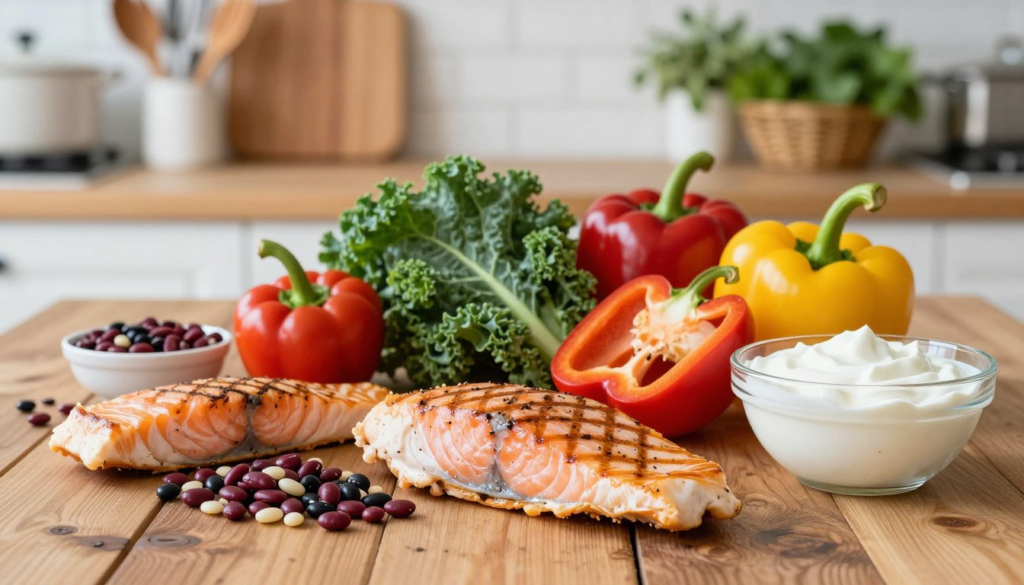
Lean meats and poultry
Adding lean meats to your meals is a smart move. They are rich in amino acids but low in bad fats. Chicken breast, turkey, and lean beef are great choices. They keep your energy up, stopping those mid-day dips that lead to bad snacks.
Plant-based protein sources
You don’t have to eat only animal products to get enough protein. Tofu, tempeh, and edamame are great plant-based options. They’re low in calories and full of nutrients that support your health while you boost metabolism.
Benefits of lentils and beans
Lentils and beans are superfoods for your belly fat diet plan. They’re full of protein and fiber, which slow digestion and keep blood sugar steady. Eating these legumes often helps you stay full and reach your health goals.
Step 2: Incorporate Thermogenic Spices and Ingredients
Turning your diet into a fat-burning machine starts with smart use of thermogenic ingredients. These items make your body temperature rise, which boosts your metabolic rate. By focusing on the thermic effect of food, your body uses more energy during digestion.
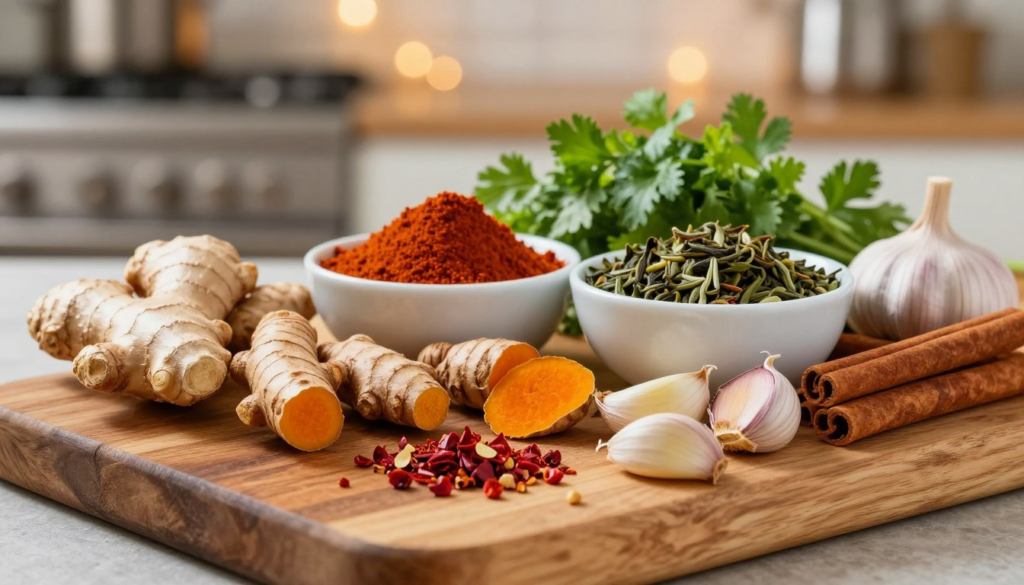
The power of capsaicin in chili peppers
Chili peppers are known as strong natural fat burners because of capsaicin. The capsaicin benefits include boosting your metabolism and helping your body burn fat better. Adding cayenne or fresh jalapeños to your meals can start this process.
Using ginger and turmeric for inflammation
Chronic inflammation can slow down your weight loss and metabolism. Ginger and turmeric are strong anti-inflammatory agents that help soothe your system and support healthy digestion. Adding these roots to your daily routine can reduce systemic inflammation, helping your body manage energy better.
Adding cinnamon to regulate blood sugar
Keeping blood sugar levels stable is key to avoiding fat storage. Cinnamon is a versatile spice that improves insulin sensitivity. This ensures your body uses glucose for energy, not fat. Sprinkle this spice in your morning oatmeal or coffee to maintain steady energy levels all day.
Step 3: Choose Fiber-Rich Complex Carbohydrates
Adding fiber-rich foods to your meals can boost your metabolic health. Many focus on protein, but fiber is key for healthy fat loss. Smart carb choices help manage hunger and aid in fat burning.
Why soluble fiber targets belly fat
Soluble fiber turns into a gel in your stomach, slowing down digestion. This makes you feel full longer. It also stops energy crashes that lead to bad snacking.
Studies show soluble fiber benefits go beyond digestion. It cuts down on belly fat around organs. Adding these fibers to your belly fat diet plan helps keep blood sugar stable all day.
Best whole grains for sustained energy
Picking the right grains is crucial for steady energy. Refined carbs cause insulin spikes, leading to fat storage. Complex carbs, however, release glucose slowly.
Oats and quinoa as staples
Oats are great because of their beta-glucan fiber, good for the heart. Quinoa offers complete protein and lots of fiber. Adding these to your diet gives you the energy for workouts.
🔗 Ready to Transform Your Body?
👉 Click Here to Discover the Product
| Grain Type | Fiber Content (per cup) | Metabolic Benefit |
| Steel-Cut Oats | 8 grams | High satiety and blood sugar control |
| Quinoa | 5 grams | Complete protein and steady energy |
| Barley | 6 grams | Supports digestive health and fat loss |
| Brown Rice | 3.5 grams | Provides sustained complex carbohydrates |
Step 4: Hydration and Metabolism-Boosting Beverages
Changing what you drink can really help you lose weight. While solid foods are key, what you drink is crucial for energy use. Choosing the right drinks can boost metabolism and help you reach your health goals.
The impact of green tea catechins
Green tea is a top choice for boosting metabolism. It has antioxidants called green tea catechins that help burn fat. These compounds help your body use fat for energy when you’re active.
Drinking green tea daily can slightly increase your metabolic rate. Adding it to your daily routine helps your body burn calories better. It’s a natural way to improve your progress without harsh stimulants.
Water intake and metabolic efficiency
Drinking enough water is vital for a healthy body. Dehydration slows down your metabolic rate, making it hard to turn food into energy. Drinking water keeps your organs working well, which is key for a high metabolic efficiency.
Drink water all day, not just when you’re thirsty. This keeps your energy steady and helps remove toxins. Staying hydrated is a foundational step for losing fat.
Avoiding sugary drinks that trigger fat storage
Many drinks have hidden sugars that can stop your weight loss. These drinks raise blood sugar, leading to fat storage, especially around the belly. Cutting out these high-calorie drinks is as important as choosing the right metabolism-boosting drinks.
Instead of sugary drinks, choose water, herbal teas, or black coffee. These don’t raise insulin levels, helping your body burn fat. Switching to these can help you achieve a flatter stomach and better health.
| Beverage Type | Metabolic Impact | Sugar Content | Recommended Use |
| Green Tea | High (Boosts oxidation) | Zero | Daily |
| Plain Water | High (Supports efficiency) | Zero | Constant |
| Sugary Soda | Negative (Triggers storage) | Very High | Avoid |
| Black Coffee | Moderate (Thermogenic) | Zero | Morning |
Lifestyle Habits to Complement Your Diet
Your journey to a healthier body is more than just what you eat. Nutrition gives you the energy, but your daily habits affect how well your body uses it. By following weight management tips, you can make sure your diet works its best.
The importance of consistent sleep patterns
Good sleep is key for hormone balance. Without enough rest, your body can’t control hunger hormones well. This can lead to more cravings and a slower metabolism.
Try to sleep seven to nine hours each night for recovery. Consistency is key because irregular sleep messes with your body’s rhythm. Getting enough sleep is a simple way to help your goals.
Integrating resistance training for metabolic health
Building lean muscle boosts your metabolic health. Unlike cardio, strength training makes your muscles stronger. This increases your calorie burn, even when you’re not moving.
You don’t need a gym to start strength training. Bodyweight exercises like squats and push-ups are great for beginners. Doing these exercises three times a week can change your body over time.
Managing stress to lower cortisol levels
Stress raises cortisol, a hormone that makes you store fat, especially around your belly. Managing cortisol is key for losing belly fat. Lowering stress helps your body not hold onto extra weight.
Simple activities like deep breathing or walking can help. These signal to your body that it’s safe to relax. Combining these habits with a balanced diet helps with sustainable weight loss.
| Habit | Primary Benefit | Impact on Metabolism |
| Consistent Sleep | Hormonal Regulation | High |
| Resistance Training | Muscle Growth | Very High |
| Stress Reduction | Cortisol Control | Moderate |
| Daily Movement | Caloric Expenditure | Moderate |
Conclusion
Reaching your fitness goals means changing your daily habits. You can change your body by choosing foods that are good for you.
For lasting weight loss, make small but important changes. Eating high-protein foods with fiber and spices can help a lot.
Being consistent is key to your health. Stay patient and keep your routines the same to see results.
Learning to lose belly fat takes time and effort. Stay focused on these strategies every day to stay healthy.
Begin your journey today by making a small change to your diet. Your future self will thank you for it.
FAQ
What is visceral fat and why should I focus on it?
Visceral fat is the deep fat around your organs. It’s different from the fat you can pinch. It affects your health a lot. Eating right can help reduce this fat, making you healthier.
How does the thermic effect of food assist in weight loss?
The thermic effect of food (TEF) is the energy needed to digest what you eat. Choosing foods high in TEF, like lean proteins, boosts your calorie burn. This happens even when you’re not moving.
Why is protein considered a critical macronutrient for a flatter stomach?
Protein is key because it keeps you full and helps you keep muscle. It takes more energy to digest than carbs or fats. This boosts your metabolism and stops unhealthy snacking.
Which spices can help me burn fat naturally?
Some spices, like chili peppers, raise your body temperature and metabolism. Ginger, turmeric, and cinnamon also help with inflammation and blood sugar. They prevent fat storage.
How does soluble fiber help target stubborn midsection weight?
Soluble fiber, found in whole grains, slows down digestion. This keeps your blood sugar stable. It helps reduce visceral fat and improves digestion.
Can green tea really improve my metabolic efficiency?
Yes, green tea has antioxidants that help burn fat. Drinking it instead of sugary drinks avoids insulin spikes. This prevents fat storage in your belly.
What lifestyle habits complement a metabolism-boosting diet?
For lasting weight loss, eat right and sleep well. Regular exercise and managing stress are also key. Stress can slow down your metabolism and increase belly fat.
