

Starting a journey to better health can feel daunting. Many think they must change everything at once. But, small and consistent changes are much more effective than big, short-lived ones.
Changing how you see exercise can make it a positive part of your day. By adopting healthy lifestyle habits, you can create a lasting path to better health. You don’t need to spend hours at the gym to feel more energetic.

Creating a routine based on foundational movements makes it fit your life better. Knowing what are some good fitness tips helps you focus on lasting results over quick fixes. Begin with simple changes that you can keep up for years.
Key Takeaways
-
- Focus on consistency rather than intensity to ensure long-term success.
-
- View daily movement as a rewarding experience instead of a mandatory task.
-
- Small, incremental changes lead to more sustainable health outcomes.
-
- Prioritize foundational habits that align with your personal schedule.
-
- Improve your mental and physical well-being through balanced activity.
Setting the Foundation for Your Fitness Journey
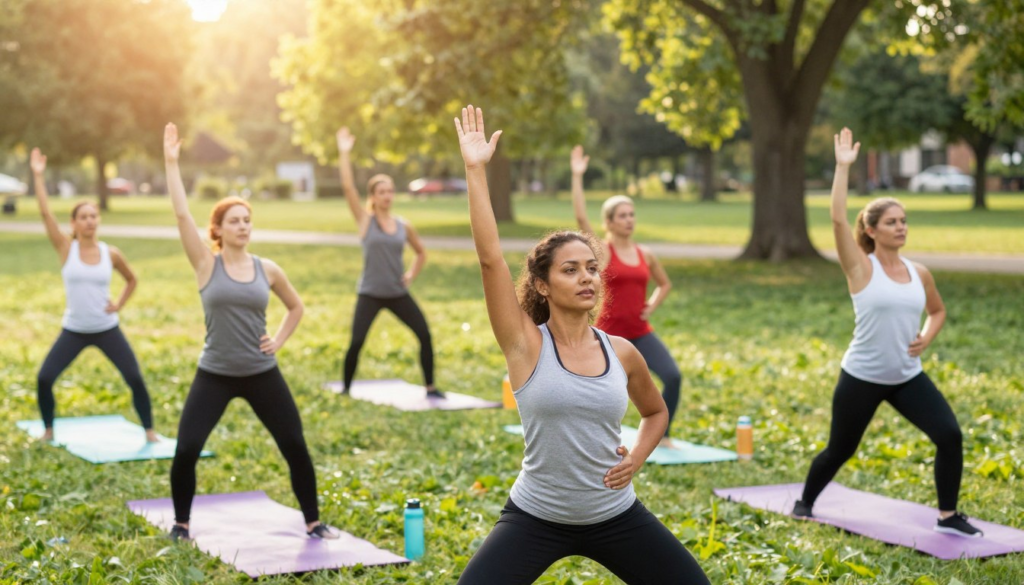
Starting a fitness journey for beginners needs more than just excitement. You must understand your current fitness level first. This ensures you start safely and effectively.
Knowing your baseline strength, endurance, and flexibility is key. It helps avoid injuries and burnout.
Assessing Your Current Fitness Level
To build healthy lifestyle habits, start by knowing your current fitness. Track how long you can walk briskly or do bodyweight squats. These tests show your cardiovascular health and muscle endurance.
Don’t worry if your numbers seem low at first. The goal is to have a reliable baseline to improve over time. By tracking your progress, you’ll see how far you’ve come.
Defining Realistic and Measurable Goals
After knowing your baseline, set fitness goals that you can achieve. Use the SMART framework for Specific, Measurable, Achievable, Relevant, and Time-bound goals. This keeps you focused and motivated.
Instead of vague goals, aim for something specific like “walking for 20 minutes, four days a week.” This clarity helps you track your progress and stay motivated. Here’s a table to show the difference between vague and SMART goals.
| Goal Type | Vague Approach | SMART Approach |
| Cardio | Run more often | Run 2 miles, 3 times per week |
| Strength | Get stronger | Complete 3 sets of 10 pushups |
| Flexibility | Stretch daily | 10 minutes of yoga every morning |
| Consisteny | Exercise more | Attend 4 gym sessions per month |
By setting fitness goals in a structured way, you create a roadmap for success. Building healthy lifestyle habits is a long-term journey. Be patient as you lay this important foundation.
What are some good fitness tips for building a consistent routine
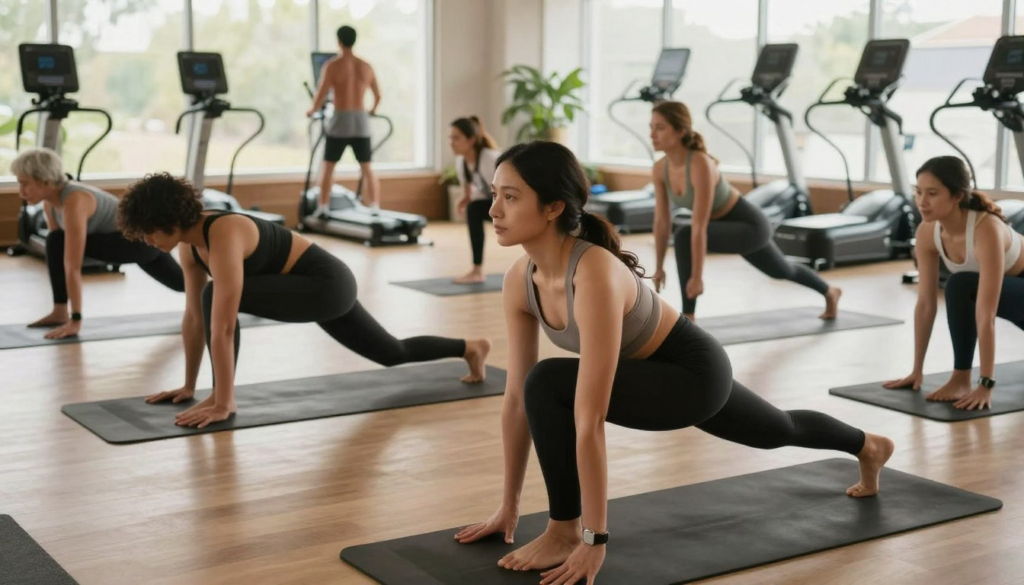
Starting a sustainable exercise plan means making small changes to your daily life. Many people find it hard to stay active because they focus too much on how hard they’re working. By changing your view, you can create a consistent workout routine that fits easily into your life.
Prioritizing Movement Over Intensity
It’s common to think every workout must be tough to be good. But, hard workouts can make you tired and stop you from keeping up. Instead, aim for regular movement that keeps you active without being too hard on your body.
Consistency is what transforms average into excellence. It is not about being perfect; it is about showing up even when you do not feel like it.
Creating a Sustainable Workout Schedule
To make a sustainable exercise plan, look at your schedule honestly. Find times when you can work out without neglecting other important things. When your plan is realistic, you’re more likely to keep it up.
Scheduling Workouts Like Appointments
See your exercise sessions as important as any other appointment. When you schedule them, you show yourself that your health is a non-negotiable priority. This mindset helps keep other tasks from taking over your fitness time.
Starting with Manageable Time Blocks
You don’t need to spend hours at the gym to see results. Start with short, easy-to-manage time blocks. This helps you build the momentum needed for a consistent workout routine. As you get more comfortable, you can make your sessions longer or more challenging.
| Feature | High-Intensity Approach | Sustainable Approach |
| Frequency | Irregular/Sporadic | Daily/Consistent |
| Recovery | Often Neglected | Built-in Priority |
| Long-term Goal | Quick Results | Lifelong Health |
| Mental Load | High Stress | Low Friction |
Integrating Physical Activity into Your Daily Schedule
Making small changes to your daily routine can lead to big physical activity benefits. You don’t need to spend hours at the gym to get healthier. By changing how you move, you can turn a day of sitting into one of activity.

Finding Opportunities for Active Commuting
Your commute is a great chance to get your heart rate up before work. If you’re close enough, try walking or biking to work instead of driving. This gets your muscles moving and clears your mind.
If you use public transport, you can still be more active. Get off the bus or train a stop early to add a quick walk. These extra steps add up and help you reach your fitness goals.
Utilizing Micro-Workouts During the Workday
Sitting for long periods can make you feel tired and stiff. Short, intense workouts during the day can help. These keep your metabolism up and your energy levels high.
Set a timer to remind you to stand up every hour. Use these breaks to do simple movements that get your blood flowing. Here are some daily movement ideas to stay active:
-
- Do bodyweight squats while waiting for your coffee.
-
- Take the stairs instead of the elevator.
-
- Do desk stretches to relieve tension.
-
- Walk to a colleague’s desk instead of emailing.
Choosing Activities You Actually Enjoy
The best active lifestyle tips are ones you enjoy. If you don’t like an exercise, you won’t stick with it. Look for activities that feel like a treat, not a task.
Whether it’s dancing, gardening, or playing sports, choose what you love. When you enjoy moving, it becomes a natural part of your day. This mindset is key to lasting success and better health.
Nutrition and Recovery Strategies for Optimal Results
True transformation starts with smart nutrition and dedicated recovery. Exercise is key, but your body needs specific inputs to repair and grow. A healthy nutrition guide helps provide the necessary building blocks for your muscles and energy systems.

Fueling Your Body with Whole Foods
Whole, unprocessed foods are best for supporting your physical activity. Focus on lean proteins, complex carbs, and healthy fats for steady energy. Nutrient-dense meals reduce inflammation and boost metabolic health.
The Importance of Hydration for Performance
Proper hydration for fitness is crucial for every bodily function. Water helps regulate body temperature and transport nutrients to muscles. Even mild dehydration can weaken strength and mental focus during workouts.
Prioritizing Sleep and Rest Days
Consistent recovery and rest are key to any fitness plan. Deep sleep releases growth hormones that repair muscle damage. Without enough rest, you risk burnout and injury, slowing your progress.
Understanding the Role of Active Recovery
You don’t need to stay still on your days off to benefit. Active recovery includes low-intensity activities that promote blood flow without adding stress. Light walking, gentle yoga, or swimming can help your muscles heal faster.
| Recovery Method | Primary Benefit | Intensity Level |
| Complete Rest | Hormonal balance | None |
| Light Walking | Improved circulation | Low |
| Dynamic Stretching | Increased mobility | Low to Moderate |
| Foam Rolling | Muscle tension relief | Moderate |
By using these strategies, you create a supportive environment for your body. Remember, consistency in your habits is as important as workout intensity. Balancing hydration for fitness and recovery and rest will help you perform at your best for years.
Overcoming Common Barriers to Long-Term Success
Getting fit for the long haul isn’t always easy. You’ll face obstacles that can slow you down. But, learning to overcome these barriers keeps your health top priority, no matter what.
Managing Time Constraints and Busy Schedules
When your schedule gets tight, exercise often gets cut. But, you don’t have to give up. Try micro-sessions of just 15 minutes. They can make a big difference when time is short.
Choose high-intensity exercises that get your heart racing fast. This way, you can stay active without spending hours at the gym. Remember, it’s the regular effort that counts, not how long you exercise.
Staying Motivated When Progress Stalls
Feeling down when you don’t see results is normal. Staying motivated to exercise means focusing on the journey, not just the end goal. Celebrate small wins like more energy or better sleep.
Try something new to keep things interesting. A new sport or workout style can be just what you need. Keep your eyes on the long-term goal, even when progress seems slow.
Adjusting Your Plan for Life Transitions
Life changes fast, and your fitness plan should too. Whether it’s a new job, moving, or family changes, your routine needs to adjust. Flexibility is key to keeping your health on track through life’s ups and downs.
Don’t push too hard when things get tough. A light workout is better than no workout at all. Adjusting your goals helps you stay on track toward long-term fitness success.
| Common Barrier | Primary Strategy | Expected Outcome |
| Lack of Time | Micro-workouts | Maintained Consistency |
| Plateaus | Routine Variation | Renewed Motivation |
| Life Transitions | Flexible Scheduling | Reduced Stress |
| Low Energy | Active Recovery | Sustainable Habits |
Conclusion
Building a vibrant life means changing how you see daily movement and nutrition. You have the power to turn your habits into a lifestyle that keeps your body healthy for years.
Real progress comes from the small choices you make every day. Making these choices a priority is key to lasting fitness success. Treating your health as a lifelong promise, not a short-term goal, helps you reach your full potential.
Sticking to sustainable habits leads to lasting results. This approach builds a strong base for wellness and longevity. You should feel strong, full of energy, and capable at every life stage.
Think about the changes you want to make today. Share your main goal with a friend or use apps like MyFitnessPal or Strava to track your progress. Your path is unique, and every step brings you closer to being your best self.
FAQ
How can I begin a fitness journey for beginners without feeling overwhelmed?
Start by assessing your current fitness level to know where you are. Set SMART goals that are specific, measurable, and achievable. Use tools like MyFitnessPal to track your habits and focus on mental well-being and longevity.
What is the best way to maintain a sustainable workout schedule with a busy career?
Treat workouts like appointments by scheduling them in your calendar. Start with manageable time blocks like 15 to 20 minutes. Use Peloton or Nike Training Club for home workouts that fit your busy schedule.
How do micro-workouts and active commuting contribute to my overall health?
Micro-workouts and active commuting keep your metabolism up all day. Active commuting adds physical activity benefits without needing a gym. Brief exercises during breaks help with cortisol and prevent stiffness.
What should a healthy nutrition guide include to support my exercise routine?
Eat whole foods for a balanced diet of macronutrients. Proper hydration for fitness is key to maintain performance. Avoid processed sugars and focus on nutrient-dense foods to aid recovery and boost energy.
Why is active recovery more beneficial than complete rest?
Active recovery, like light walking or yoga, promotes blood flow and helps remove waste. It prevents stiffness and keeps you motivated. This approach helps avoid injury from overtraining.
How can I stay motivated to exercise when I stop seeing immediate physical changes?
Focus on “non-scale victories” like increased energy or strength gains. Use a Fitbit or Apple Watch to track progress. Remember, long-term fitness success comes from consistent movement, not just intensity.
