
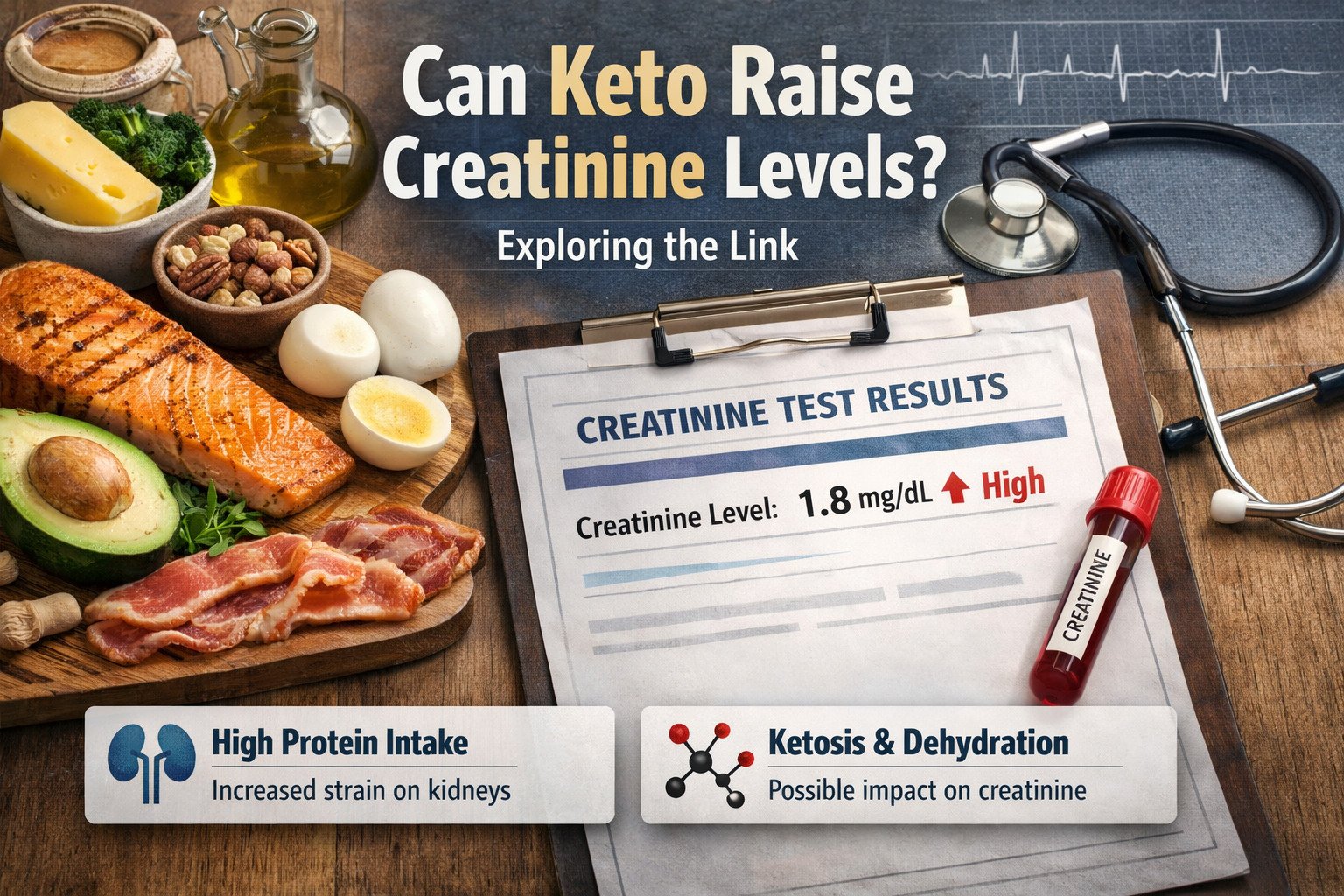
Starting a low-carb lifestyle often brings questions about how your body processes nutrients. Many people wonder: can keto raise creatinine levels in their blood work? Understanding this relationship is vital for your long-term health and peace of mind.
Creatinine is a key marker for kidney function. But, your diet and metabolic changes can affect these numbers a lot. It’s essential to know the difference between normal changes and signs of kidney stress.
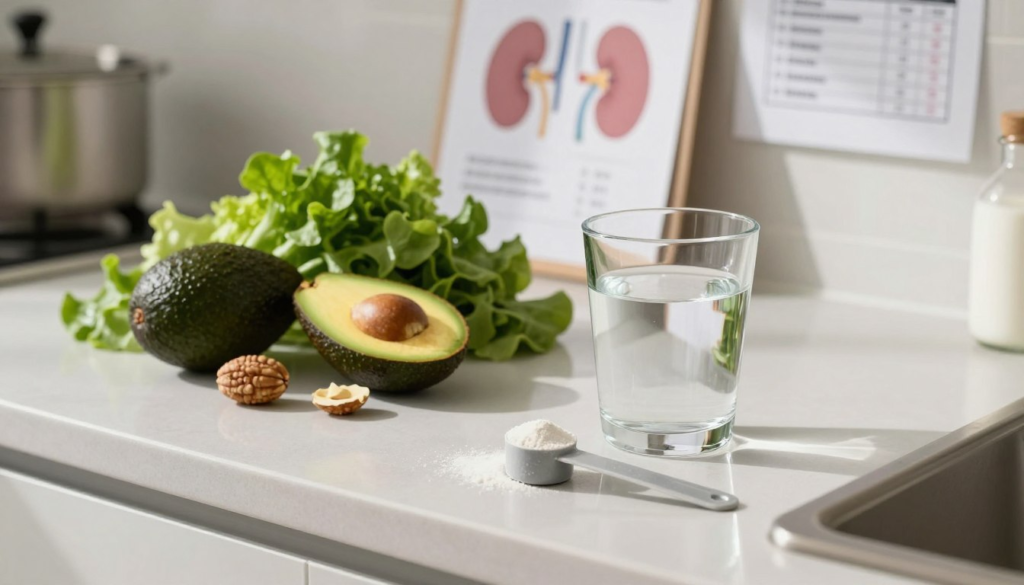
Keeping an eye on your health while changing your diet is important. This guide will help you do it safely. You’ll learn how to understand your lab results and stay on track with your wellness goals.
Key Takeaways
- Creatinine is a primary indicator used to assess how well your kidneys filter waste.
- Dietary changes often lead to temporary shifts in blood markers during the adaptation phase.
- Distinguishing between harmless metabolic adjustments and genuine kidney issues is crucial.
- Consistent monitoring helps you track your health progress while following a low-carb plan.
- Consulting with a healthcare professional ensures your lab results are interpreted in the right context.
Understanding the link between keto and creatinine
Switching to a low-carb diet changes how your body works. This includes how it handles energy and waste. Creatinine, a byproduct of muscle work, shows how well your kidneys are doing.

Your body uses different fuel when you’re not eating carbs. This change can affect what’s in your blood, like creatinine. Remember, a small increase doesn’t always mean you’re sick.
“The interpretation of laboratory results in the context of a ketogenic diet requires a nuanced understanding of how dietary macronutrients influence physiological markers.”
Lab ranges are based on people who eat more carbs. On a ketogenic diet kidney health plan, your body might handle creatinine differently. See your blood work as a moment in time, not a final say on your kidneys.
| Marker | Standard Range | Keto Context |
| Creatinine | 0.7–1.3 mg/dL | May fluctuate due to diet |
| Hydration | Standard intake | Requires higher electrolytes |
| Protein | Moderate intake | Influences muscle turnover |
Knowing these details helps you feel more prepared at doctor’s visits. Talk to your doctor about your diet to get a full picture of your health. Keeping the lines of communication open is key to tracking your ketogenic diet kidney health over time.
Why your creatinine levels might fluctuate on a ketogenic diet
When you start a ketogenic diet, your body changes a lot. These changes can sometimes affect your blood chemistry. It’s normal to see changes in your lab results as your body gets used to the new fuel.

The role of increased protein intake
Some people think a rise in lab markers means kidney damage. But, keto diet protein intake often goes up because you eat more animal products. Since creatinine comes from protein, eating more can raise your levels.
This increase is usually because of what you eat, not kidney problems. It’s key to look at these numbers with your overall health and diet in mind. Your kidneys can handle these changes if you drink enough water.
Impact of muscle mass and exercise intensity
There’s a link between creatinine and muscle mass. Creatinine comes from muscle breakdown. So, people with more muscle make more of it. If you’re lifting weights or doing intense workouts, your muscles will break down more, raising your creatinine levels.
This is a normal part of muscle recovery and growth. An active lifestyle and a low-carb diet can lead to high creatinine on keto. This doesn’t mean your kidneys are failing, but it shows your body is working hard.
Metabolic shifts and hydration status
When you start a ketogenic diet, your body loses water and electrolytes quickly. This can make your blood seem more concentrated, which might make some markers look higher on tests. It’s important to drink enough water and eat the right minerals to keep your test results accurate.
| Factor | Effect on Creatinine | Context |
| High Protein Intake | Increase | Dietary byproduct |
| Intense Exercise | Increase | Muscle turnover |
| Dehydration | Increase | Concentration effect |
| High Muscle Mass | Increase | Baseline production |
How to accurately monitor your kidney health while on keto
To keep your ketogenic diet kidney health in check, you need to be proactive about your health. Keeping track of your health data helps ensure your diet supports your wellness goals. Regular kidney function monitoring lets you make changes if needed.
Preparing for your blood work
Getting ready for your blood test is key to getting accurate results. Avoid hard exercise for 48 hours before your test to prevent creatinine spikes. Staying well-hydrated is also crucial to avoid dehydration’s impact on your numbers.
Try to have your blood tests at the same time each day. This helps control variables like activity and hydration. Tell your doctor about your low-carb diet to get the right interpretation of your results.
Understanding the eGFR calculation
The eGFR calculation keto folks should focus on is more accurate than creatinine alone. It takes into account your age and gender for a better kidney function view.
Don’t worry if your creatinine seems a bit high but your eGFR is okay. The eGFR is a better kidney health indicator. Talking to your doctor about this can clarify your kidney health status.
Tracking your results over time
One test result doesn’t tell the whole story. Tracking your results over months shows real trends. Keeping a log of your lab work helps see how your diet affects your body over time.
If you see a steady trend, you can talk to a health expert. This empowered approach lets you manage your health data. Remember, your body changes, and small shifts are normal.
Steps to take if you notice elevated creatinine levels
Seeing high creatinine on keto on your lab report can be scary. But, it’s often something you can handle. Instead of worrying, follow a clear plan to find out why it’s happening. This way, you can fix any issues safely and effectively.
Consulting with your primary care physician
Talking to your primary care doctor is your first step. They can understand your lab results based on your health and lifestyle. Never ignore persistent markers that are out of range without a doctor’s advice.
When you see your doctor, share your diet and exercise habits. This information helps them figure out if the high creatinine is temporary or a sign of a bigger problem. They might ask for more tests to check your kidney health.
Reviewing your current supplement regimen
Many people on low-carb diets use supplements, which raises the topic of keto supplement safety. Supplements like creatine monohydrate can make your creatinine levels seem higher. This is because creatinine is a byproduct of creatine breakdown.
Check all your vitamins, minerals, and workout powders with your doctor. They might tell you to stop taking certain supplements for a while before testing again. This can show if the high creatinine is from supplements or not.
Evaluating your hydration and electrolyte balance
Keeping your body hydrated is key for your kidneys, especially when you’re changing your metabolism. A bad electrolyte balance keto can make you dehydrated, which can make your creatinine levels seem higher. Make sure you drink enough water and get enough sodium, potassium, and magnesium.
Drink water all day, not just in big gulps. If you think your levels are off, use an app to keep track of your minerals. Staying well-hydrated helps your kidneys work better, which is important for a ketogenic diet.
Distinguishing between benign elevation and kidney stress
It’s key to know the difference between harmless changes and kidney stress for your health. A high-protein diet can lead to elevated creatinine levels without actual damage. This is because creatinine and muscle mass are linked, with more muscle turnover causing more waste in the blood.
Recognizing symptoms of kidney dysfunction
Don’t just look at lab numbers. True kidney problems often show physical signs you should not ignore. Look out for persistent fatigue, swelling in your ankles, or changes in urination. If you see these, see a doctor right away.
These signs mean your kidneys might be having trouble filtering waste. While diet can cause temporary spikes, consistent physical symptoms mean you need a doctor’s check-up.
Interpreting BUN to creatinine ratios
The BUN to creatinine ratio gives a clearer picture of kidney health than one marker alone. BUN is another waste product your kidneys process. By comparing these, doctors can tell if a high result is from dehydration or a serious issue.
A high ratio often means dehydration or too much protein, not kidney damage. This ratio helps doctors rule out other causes before thinking your kidneys are stressed.
When to request a cystatin C test
If you’re worried about your kidneys, ask for a cystatin C test. This test isn’t affected by diet or muscle mass. It gives a true picture of kidney function, especially for the active.
This test is great if your blood work doesn’t match your health. It helps clarify when other markers are unclear.
| Marker | Influenced by Diet | Influenced by Muscle Mass | Clinical Reliability |
| Creatinine | Yes | Yes | Moderate |
| BUN | Yes | No | Moderate |
| Cystatin C | No | No | High |
Can keto raise creatinine levels due to dehydration
Starting a ketogenic diet changes how your body works, affecting your fluid balance. It’s crucial to stay hydrated on a low-carb diet because your kidneys need enough water to filter waste. If you don’t drink enough, your blood can get too thick, causing a temporary rise in creatinine levels.
The diuretic effect of low-carb eating
Fluid levels change because your body uses up glycogen in your liver and muscles. Glycogen holds water, and when it’s burned, you lose a lot of fluid. This natural diuretic effect makes your kidneys release more water and minerals than usual.
As you lose water quickly, your blood volume might drop. This can make your creatinine levels seem higher than they are. It’s key to know this is a temporary effect, not a sign of kidney problems.
Signs of chronic mild dehydration
Spotting keto dehydration symptoms early helps avoid health issues. Many ignore small signs because they’re focused on losing weight fast. Watch for these signs of mild dehydration:
- Persistent feelings of fatigue or brain fog
- Frequent muscle cramps or twitching
- Darker urine color throughout the day
- Headaches that occur after physical activity
Optimizing water and mineral intake
To keep your kidneys working well, focus on your electrolyte balance keto plan. Drinking more water isn’t enough; you also need to replace lost sodium, potassium, and magnesium. A good hydration plan helps your kidneys function properly.
| Mineral | Role in Hydration | Best Sources |
| Sodium | Maintains fluid volume | Sea salt, bone broth |
| Potassium | Supports cellular function | Avocado, leafy greens |
| Magnesium | Prevents muscle cramps | Pumpkin seeds, spinach |
Consistency is key in managing minerals. Keep track of what you eat and listen to your body. If you’re still worried about your lab results, talk to your doctor.
Adjusting your lifestyle to support kidney function
Making small changes in your daily life can help your kidneys a lot. The ketogenic diet is great for your metabolism, but remember how it affects your organs. Eating well and recovering smartly keeps your health goals in check without stressing your kidneys too much.
Balancing protein sources for kidney health
Finding the right balance in keto diet protein intake is key, not just cutting back. Instead of only eating red meats, mix it up with fish, poultry, and plant proteins. This way, you get all the amino acids you need without overloading your kidneys.
Incorporating kidney-friendly vegetables
Choosing the right veggies for your meals can protect your kidneys. Focus on kidney-friendly keto foods that are low in oxalates and high in fiber. Leafy greens like kale and cauliflower are full of antioxidants and help keep your body’s pH balanced. This is crucial for your kidneys’ long-term health.
Managing exercise recovery to reduce muscle breakdown
Good exercise recovery keto strategies are key to avoid muscle breakdown. Make sure to take rest days and do gentle exercises like walking or yoga between hard workouts. This helps your body fix muscles without stressing your kidneys too much.
Also, keep an eye out for keto dehydration symptoms like fatigue or muscle cramps. These can make kidney problems worse. Drinking enough water and electrolytes helps your kidneys work better. Here’s a table to help you choose foods that support your kidneys.
| Food Category | Recommended Choice | Benefit |
| Protein | Wild-caught Salmon | Omega-3s reduce inflammation |
| Vegetables | Steamed Cauliflower | High fiber, low oxalate |
| Hydration | Mineral-rich Water | Supports electrolyte balance |
| Recovery | Magnesium-rich Seeds | Aids muscle relaxation |
Conclusion
Managing your health on a ketogenic diet means looking at your lab results carefully. You now know how diet changes affect your body. This knowledge helps you make choices that keep you healthy for the long run.
Talking to your doctor regularly is key to tracking your health. Share what you eat and how much you exercise at each visit. This helps your doctor give you advice that fits your needs perfectly.
Understanding your body’s signs helps you make better choices. Use what you’ve learned to improve how you drink water and eat protein. You have the power to make your diet work for you, not against you.
Start by getting regular blood tests and watching your numbers over time. Even small changes can make a big difference in how you feel. Remember, taking care of your kidneys is important as you make these changes.
FAQ
Can a ketogenic diet cause your creatinine levels to rise?
Yes, your creatinine levels might go up on a low-carb diet. This can happen due to more protein, metabolic changes, or the diet’s diuretic effect. It’s important to watch your health data over time to know if it’s just a normal change or a sign of kidney trouble.
How does muscle mass and exercise intensity affect your blood work?
Creatinine levels can go up if you have more muscle or do a lot of exercise. If you’re really active, your creatinine might be higher than usual. This doesn’t mean your kidneys are failing, but it shows your body’s unique state and activity level.
Why is the eGFR calculation a better marker for your kidney health?
Creatinine gives a quick look, but eGFR (estimated Glomerular Filtration Rate) is more detailed. A keto diet can affect individual markers. So, tracking your eGFR helps you and your doctor see long-term trends, not just one data point.
Can dehydration lead to an artificial spike in your creatinine readings?
Yes, a low-carb diet can cause mild dehydration. Dehydration makes your blood more concentrated, which can raise your creatinine levels. Keeping your electrolytes balanced and getting enough minerals is key to accurate lab results.
Should you be concerned about the impact of supplements like creatine monohydrate?
Supplements like creatine monohydrate can make your creatinine levels seem higher. This is because your body processes more creatine into creatinine. Always talk to your doctor about your supplements before blood tests to get accurate results.
What is a cystatin C test, and when should you request one?
A cystatin C test is a better kidney function test because it’s not affected by muscle, age, or protein. If your usual tests show high numbers, ask your doctor about this test. It can help clear up if you really have kidney issues.
How can you interpret your BUN to creatinine ratio on a keto diet?
Your BUN to creatinine ratio helps figure out if you have dehydration or kidney problems. On keto, high protein can raise your BUN. This ratio helps your doctor see if your markers are from your diet or need more checking.
What lifestyle adjustments help support your kidney function while in ketosis?
To help your kidneys, balance your protein and eat kidney-friendly foods like cucumbers and leafy greens. Also, manage your exercise recovery to avoid too much muscle breakdown. Staying hydrated and keeping your electrolytes balanced is important for your kidney health while on a low-carb diet.
