
Let’s get one thing straight from the start: gaining weight is just as hard as losing it. Maybe harder. Anyone who tells you otherwise has probably never tried to wolf down 3,500 extra calories a day while surviving on dal, paneer, and roti. If you’re a vegetarian trying to bulk up, you’re not imagining the struggle. It’s real. But it’s absolutely doable with the right approach.
Gaining 5 kg in a single month is an ambitious goal it pushes the upper limits of what’s physiologically reasonable but it can be achieved when you combine a serious caloric surplus, high-protein plant-based eating, and smart resistance training. This guide walks you through exactly how to do it, without resorting to junk food binges or giving up your vegetarian principles.
Understanding the Math First
Before we talk food, let’s talk numbers because weight gain runs on math.
One kilogram of body mass (a mix of muscle and some fat) requires roughly 7,000 to 7,700 extra calories beyond what you normally burn. So to gain 5 kg in 30 days, you need a surplus of approximately 35,000 to 38,500 calories over the month which works out to about 1,200 to 1,300 extra calories per day.
This isn’t a small number. If your body burns 2,000 calories a day to maintain your current weight (called your Total Daily Energy Expenditure or TDEE), you’d need to eat 3,200 to 3,300 calories daily, consistently, for a full month.
Here’s the honest part: some of that weight gain will be muscle, some will be fat, and a portion will be water weight and glycogen stored in your muscles especially in the early weeks. Don’t be discouraged by this. It’s normal, expected, and part of the process.
Why Vegetarian Bulking Feels So Hard (And Why It Doesn’t Have to Be)
The common complaint among vegetarian weight-gainers is volume. Plant-based foods tend to be high in fiber and water, which means they fill you up before you’ve hit your calorie target. A bowl of spinach, for instance, is nutritious but it gives you maybe 40 calories. You’d need to eat a small amount of it to make a dent.
The other concern is protein. Muscle growth requires adequate protein most sports nutritionists recommend 1.6 to 2.2 grams of protein per kilogram of body weight for people in active bulking phases. For a 60 kg person, that’s 96 to 132 grams of protein daily. Without meat, hitting those numbers requires planning, not luck.
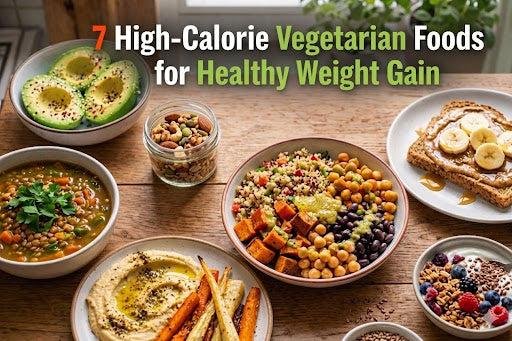
But here’s what many people overlook: vegetarian diets can actually be ideal for bulking when done right. Foods like paneer, Greek yogurt, lentils, chickpeas, quinoa, tofu, tempeh, whole milk, and nuts are calorie-dense, protein-rich, and far more nutritious than the processed bulk-up powders many non-vegetarians rely on.
The Core Principle: Calorie-Dense, Not Just Filling
The golden rule of vegetarian bulking is to swap high-volume, low-calorie foods for calorie-dense options without sacrificing nutrition. Here’s what that looks like in practice:
-
- Instead of a fruit salad, have a banana with 2 tablespoons of peanut butter (adds ~200 calories instantly).
-
- Instead of a watery dal, cook your lentils in ghee or olive oil and add a handful of nuts (adds 150–200 calories per serving).
-
- Instead of plain roti, spread it with butter and pair it with paneer bhurji made in full-fat cream.
-
- Instead of water, drink whole milk, lassi, or a homemade protein shake with milk, banana, oats, and nut butter.
These aren’t drastic changes they’re strategic ones. And they add up.
A Sample 3,200-Calorie Vegetarian Meal Plan
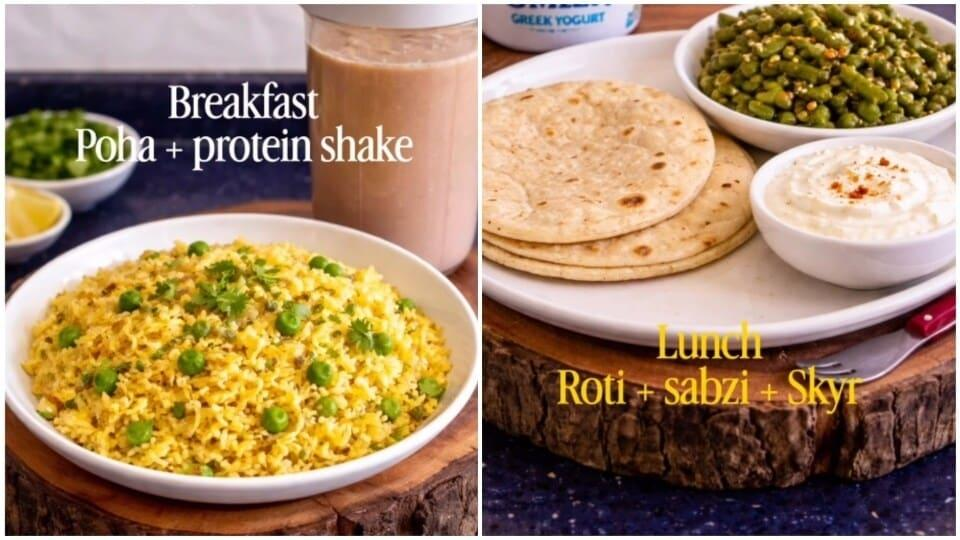
Here’s a realistic day of eating designed to hit around 3,200 calories and 120+ grams of protein for someone with a 2,000-calorie maintenance need:
Morning (Pre-Workout or First Meal)
-
- 3 whole eggs scrambled in ghee + 2 slices of whole wheat toast with peanut butter
-
- 1 glass of full-fat milk (250 ml)
-
- 1 banana
-
- Approx: 750 calories, 38g protein
Mid-Morning Snack
-
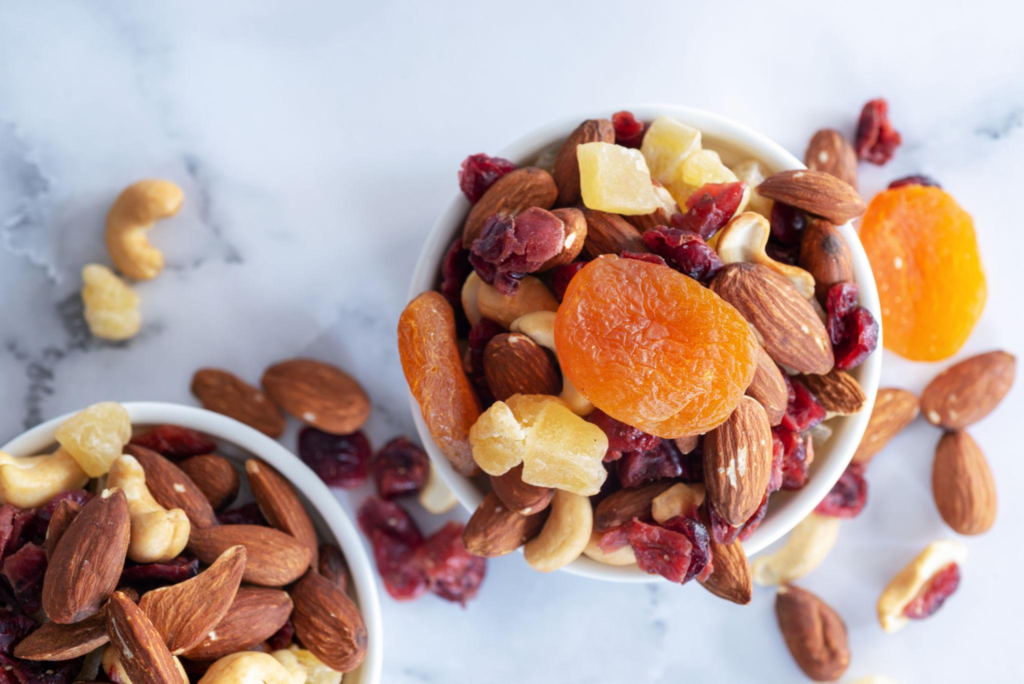
- A bowl of Greek yogurt (200g) with a handful of mixed nuts and honey
-
- Approx: 450 calories, 20g protein
Lunch
-
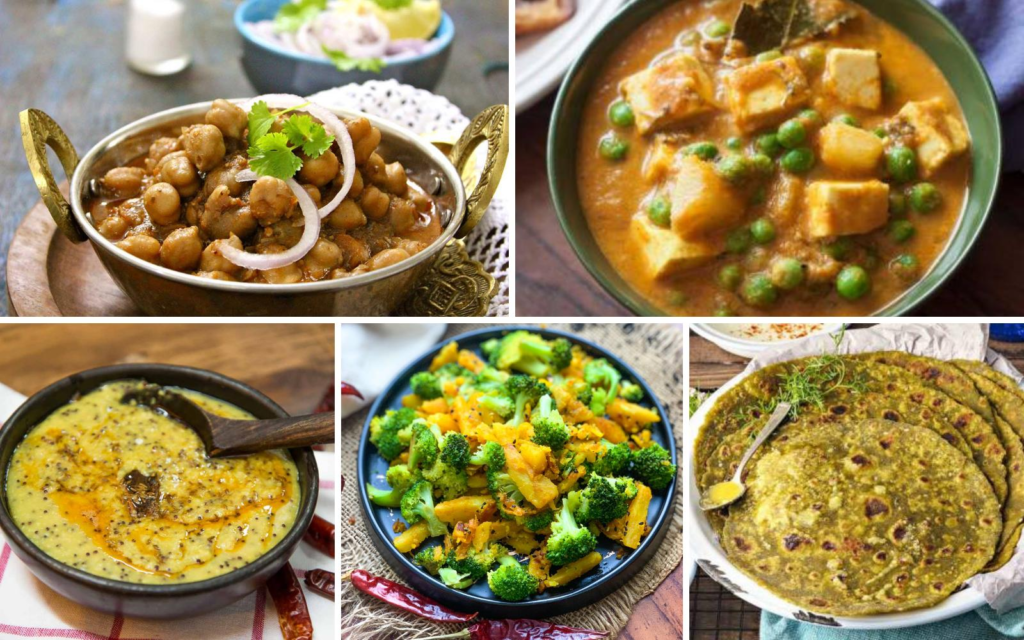
- 3 rotis with a generous serving of paneer curry (150g paneer) cooked in olive oil
-
- 1 cup of rajma or chana (cooked)
-
- Small salad with olive oil dressing
-
- Approx: 850 calories, 40g protein
Afternoon Snack
-
- Homemade smoothie: 1.5 cups whole milk + 1 scoop whey or plant protein powder + 1 banana + 2 tbsp peanut butter + oats
-
- Approx: 600 calories, 30g protein
Dinner
-
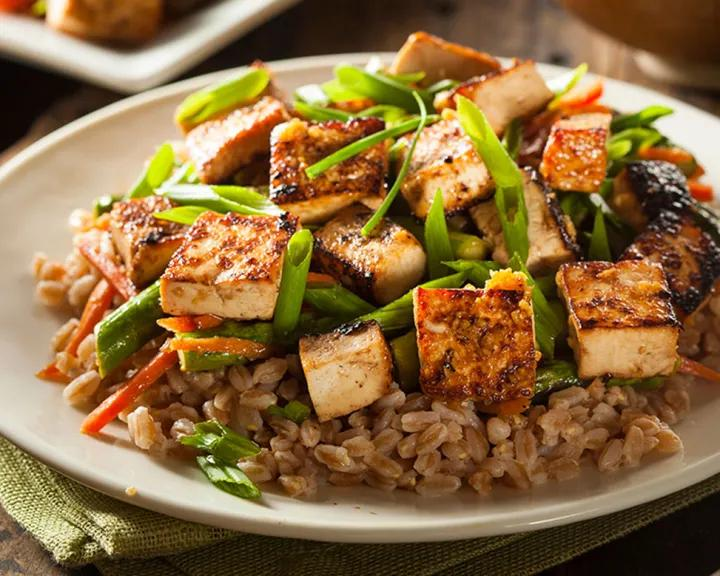
- 2 cups cooked rice or quinoa
-
- Tofu stir-fry or egg curry
-
- Side of sautéed vegetables in butter
-
- Approx: 700 calories, 30g protein
Total: -3,350 calories | -158g protein
This plan is not extreme. It’s structured, filling, and satisfying and it gives your body everything it needs to build muscle and add weight.
Key Foods That Should Be in Every Vegetarian Bulker’s Kitchen
Think of these as your caloric anchors the foods that do the heavy lifting in your diet:
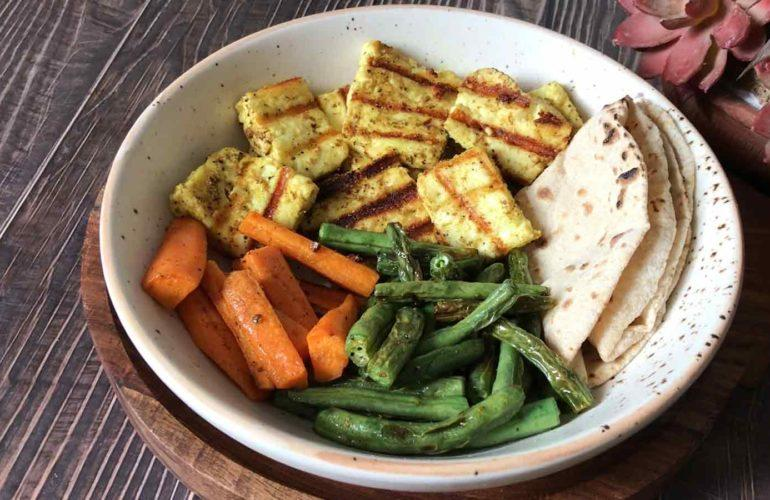
Paneer – An Indian staple that packs about 18–20g of protein per 100g, along with healthy fats. Versatile enough to go in curries, scrambles, or straight off the pan.
Whole Eggs – Don’t ditch the yolk. The fat in egg yolks is what makes eggs so calorically useful. 3 eggs give you around 210 calories and 18g of protein.
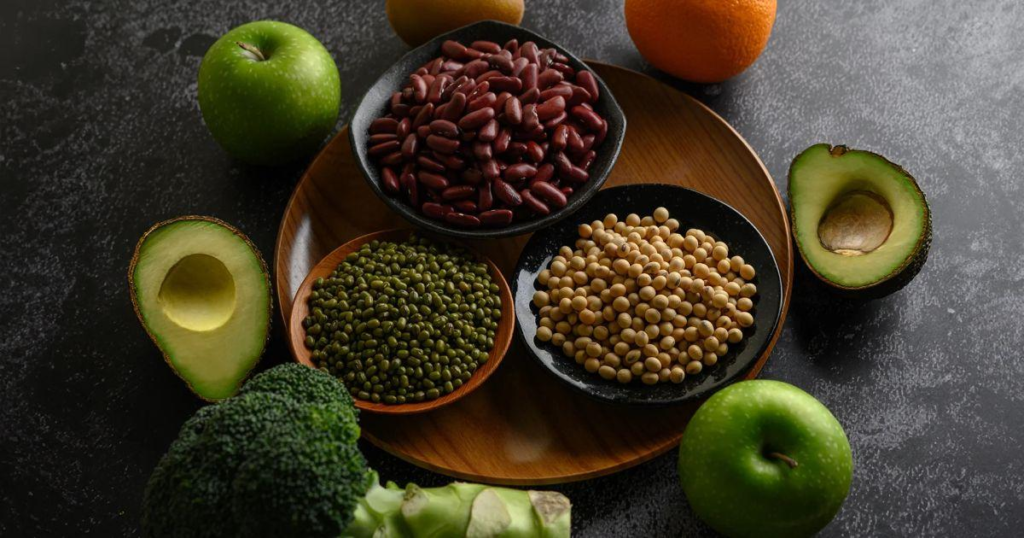
Lentils and Legumes (Dal, Rajma, Chana) – Slow-digesting, rich in protein and complex carbs. A cup of cooked lentils gives you around 18g of protein and 230 calories.
Full-Fat Dairy – Whole milk, full-fat yogurt, paneer, and cheese are calorie-dense and protein-rich. Don’t switch to low-fat versions during a bulk.
Nut Butters – Peanut butter and almond butter are around 180–200 calories per 2 tablespoons. Stir them into smoothies, spread on toast, or eat by the spoon.
Quinoa – One of the few plant foods that’s a complete protein (all 9 essential amino acids). Use it instead of or alongside rice.
Avocado – A medium avocado contains around 230 calories of healthy fat. Add to toast, smoothies, or salads.
Nuts and Seeds – A small 30g handful of almonds or walnuts has 170–200 calories. Easy to snack on throughout the day.
Ghee and Olive Oil – Cooking your food in healthy fats adds calories without bulk. A tablespoon of ghee has around 130 calories
The Role of Training Because Food Alone Won’t Cut It

Eating more without training means most of your gained weight will be fat. If your goal is 5 kg of quality weight with muscle to show for it you need resistance training.
You don’t need a fancy gym membership. Compound movements are what trigger muscle growth, and the basics work incredibly well:
-
- Squats (barbell or goblet): hits your legs and core
-
- Deadlifts: full-body posterior chain strength
-
- Bench Press or Push-Ups: chest, shoulders, triceps
-
- Rows (barbell or dumbbell): upper back and biceps
-
- Overhead Press: shoulders and upper body stability
Aim for 3–4 training sessions per week, focusing on progressive overload gradually increasing the weight or reps over time. This is the signal your body needs to actually build new muscle tissue.
Rest is equally important. Muscles don’t grow in the gym, they grow while you sleep. Aim for 7–9 hours of sleep every night, and don’t train the same muscle group two days in a row.
Supplements Worth Considering
You don’t need supplements, but a few can meaningfully help:
Whey Protein or Plant-Based Protein Powder – If you’re struggling to hit your protein target through food alone, a shake can bridge the gap. Look for options with at least 20–25g of protein per serving.
Creatine Monohydrate – One of the most researched supplements in sports science. It helps your muscles retain water and perform better during heavy lifting, which translates to better muscle gains over time. 3–5g daily is the standard dose.
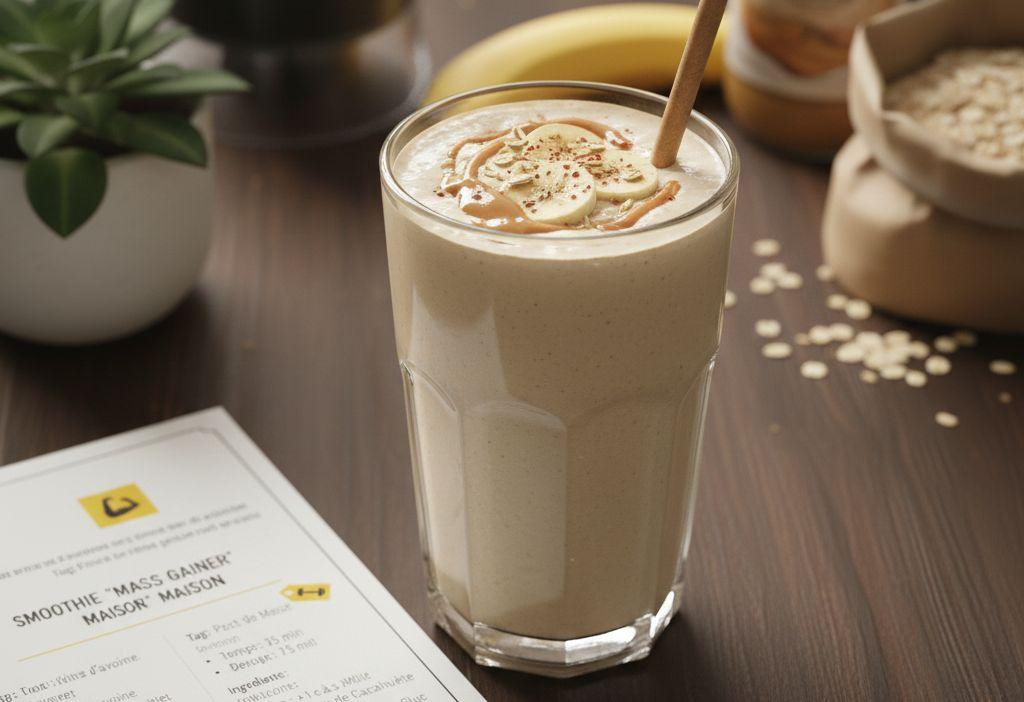
Mass Gainers – Use with caution. Many commercial mass gainers are packed with sugar and artificial additives. If you choose one, look for options with a good protein-to-carb ratio and no artificial sweeteners at the top of the ingredient list. Honestly, a homemade shake with oats, milk, banana, and peanut butter is often better.
Common Mistakes That Kill Progress
Skipping meals – Missing even one meal when you’re trying to eat 3,200+ calories a day can derail your entire day’s caloric target. Treat meals like appointments.
Relying only on salads and soups – These are nutritious but calorie-light. They have their place, but they can’t be the foundation of a bulk.
Eating the same foods every day – Variety isn’t just about interest. Different foods bring different micronutrients, which your body needs for muscle growth, hormone production, and recovery.
Ignoring hunger cues or over-relying on them – In a bulk, you sometimes need to eat when you’re not hungry. Train yourself to eat on a schedule, not just when your stomach grumbles.
Underestimating liquid calories – A glass of whole milk (150 cal), a lassi (200 cal), and a protein smoothie (400 cal) can add nearly 750 calories to your day without feeling like a meal. Use this.
Tracking Progress: What to Measure and When
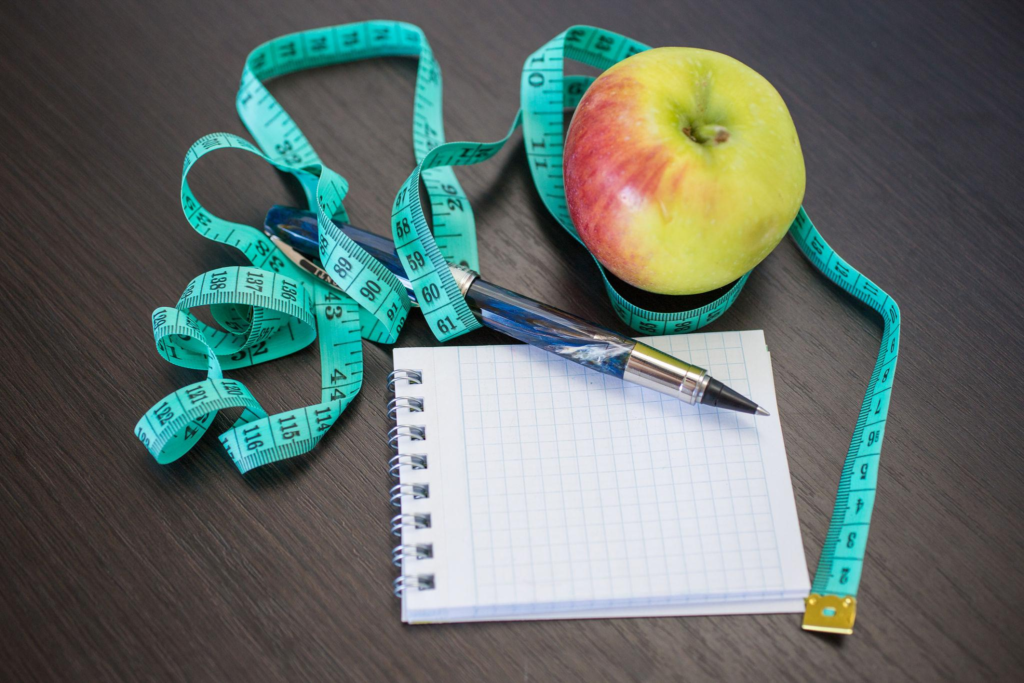
Weigh yourself every morning, after using the bathroom, before eating or drinking. Take the average of your weekly measurements to account for daily fluctuations. Don’t panic if the scale goes up 2 kg one day and down 1 kg the next water weight is volatile.
Beyond the scale, track:
-
- How your clothes fit
-
- How strong you’re getting in the gym (progressive overload is a reliable signal of muscle growth)
-
- Body measurements (chest, arms, thighs, waist) every two weeks
Conclusion
Gaining 5 kg in a month as a vegetarian is challenging but it’s not out of reach. The real secret isn’t some magical superfood or exotic supplement. It’s consistency. Eating enough, training hard, sleeping well, and showing up every single day.
Think of it as a project with a deadline. Plan your meals. Stock your kitchen. Tell your family you’re on a mission so they support the extra servings. And trust the process your body will respond to when you give it what it needs.
The vegetarian diet isn’t a limitation. In many ways, it’s an advantage forcing you to build real, whole-food habits that serve you long after the month is over. Do this right, and the 5 kg you gain won’t just sit on the scale. It’ll show up in the mirror, in the gym, and in how you carry yourself.
Now close this article and go eat something.
