

Prednisone can be life-changing for people dealing with inflammation, autoimmune disorders, asthma, arthritis, lupus, and many other medical conditions. While this corticosteroid is highly effective, one of the most frustrating side effects is rapid weight gain. Many people notice puffiness in the face, increased belly fat, fluid retention, and a constant feeling of hunger shortly after starting treatment.

The good news is that prednisone weight gain is manageable. With the right nutrition, exercise habits, sleep routine, and medical guidance, it is possible to lose the extra weight safely without harming your recovery.
This guide explains exactly how to lose weight gained from prednisone while supporting your overall health.
Why Prednisone Causes Weight Gain
Understanding why prednisone leads to weight gain makes it easier to reverse the process.
Prednisone affects the body in several ways:
- Increases appetite
- Causes water retention
- Changes how the body stores fat
- Raises blood sugar levels
- Slows metabolism in some people
- Reduces muscle mass over time
Many patients gain weight around the abdomen, face, neck, and upper back. This pattern is common with corticosteroid use.
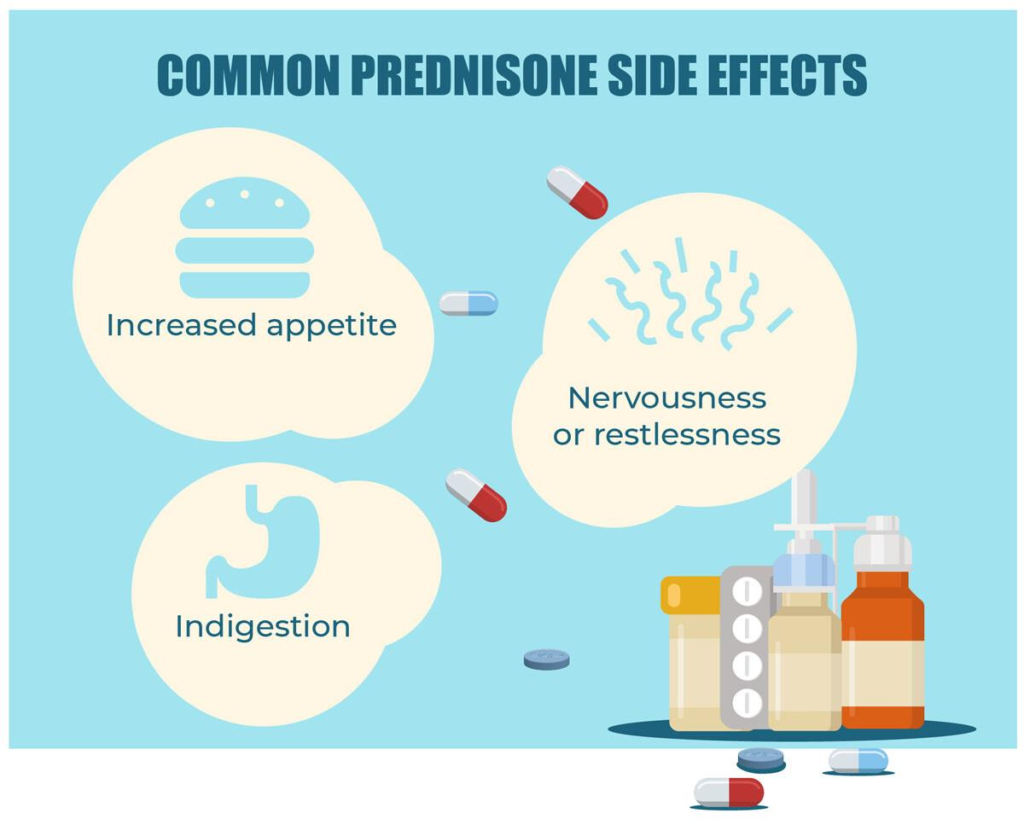
The longer the medication is used and the higher the dosage, the greater the chance of noticeable weight gain.
Can You Lose Prednisone Weight?
Yes, most people can lose prednisone-related weight. However, the process may take time.
Some of the weight comes from fluid retention, which often improves as the dosage decreases. The rest usually involves increased body fat caused by excess calorie intake and hormonal changes.
The key is to focus on:
- Gradual fat loss
- Muscle preservation
- Reducing inflammation
- Managing appetite naturally
Crash diets rarely work and can worsen fatigue or muscle loss.
Best Diet To Lose Weight Gained From Prednisone
1. Prioritize High-Protein Foods
Protein helps control hunger and prevents muscle loss.
Aim to include protein in every meal.
Excellent Protein Sources
- Eggs
- Chicken breast
- Fish
- Greek yogurt
- Cottage cheese
- Lentils
- Tofu
- Beans
- Lean turkey
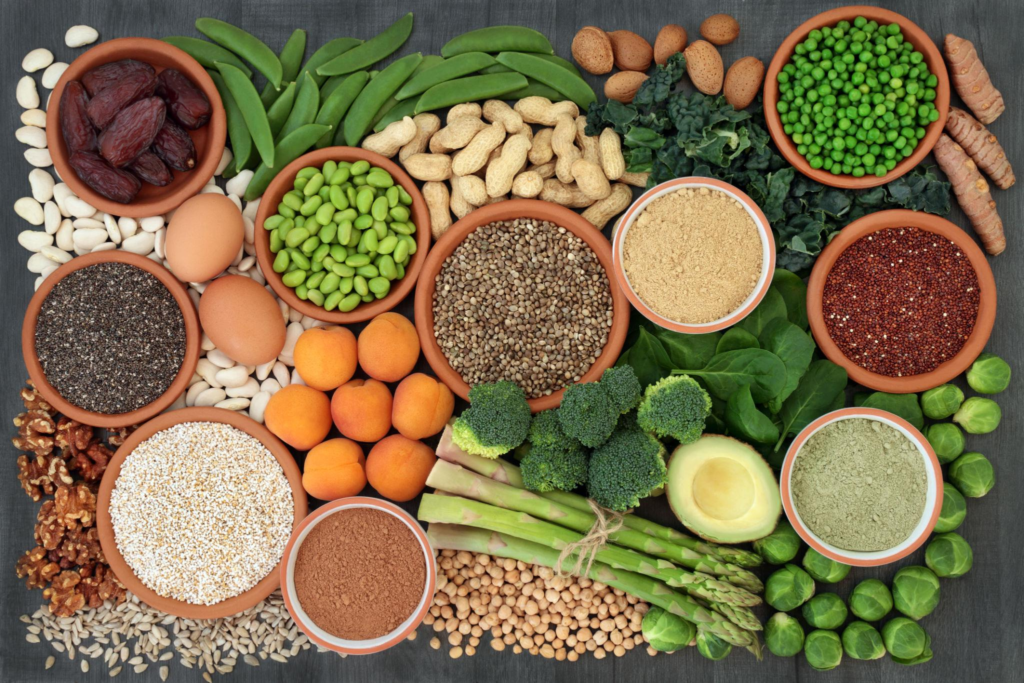
Protein keeps you fuller for longer and stabilizes blood sugar levels, which is important because prednisone may increase insulin resistance.
2. Reduce Sodium To Prevent Water Retention
Prednisone often causes the body to hold onto extra sodium and water.
Lowering salt intake can reduce bloating and swelling.
Avoid High-Sodium Foods
- Processed snacks
- Fast food
- Packaged soups
- Frozen meals
- Chips
- Processed meats
Instead choose:
- Fresh vegetables
- Fruits
- Homemade meals
- Herbs and spices for flavor

Many people notice less puffiness within a few weeks of reducing sodium intake.
3. Eat More Fiber To Control Hunger
Prednisone can make people feel hungry all the time.
Fiber helps slow digestion and increases fullness.
High-Fiber Foods
- Oats
- Brown rice
- Apples
- Berries
- Chia seeds
- Vegetables
- Whole grains

Fiber also supports gut health and blood sugar control.
4. Avoid Sugar And Refined Carbs
Prednisone may raise blood sugar levels, making sugary foods even more problematic.
Limit:
- Soda
- Candy
- White bread
- Pastries
- Sugary coffee drinks
Choose healthier carbohydrates like:
- Sweet potatoes
- Quinoa
- Brown rice
- Whole wheat bread
- Fruits
Balanced blood sugar reduces cravings and supports fat loss.
5. Drink More Water
Many people mistake prednisone-induced cravings for hunger when they are actually dehydrated.
Water also helps reduce bloating and improves metabolism.
Simple Hydration Strategies
- Drink water before meals
- Carry a reusable bottle
- Replace sugary drinks with water or herbal tea

Hydration is especially important if prednisone causes fluid imbalance.
How Exercise Helps Burn Prednisone Weight
Exercise is one of the most effective tools for reversing prednisone weight gain.
The goal is not extreme workouts. The focus should be on consistency and recovery-friendly movement.
Best Exercises For Prednisone Weight Gain
1. Walking
Walking is gentle on joints and highly effective for fat loss.
Benefits include:
- Burns calories
- Reduces stress
- Improves circulation
- Helps reduce bloating

A daily 30 to 45-minute walk can make a major difference over time.
2. Strength Training
Prednisone may reduce muscle mass, especially during long-term use.
Strength training helps:
- Build lean muscle
- Boost metabolism
- Improve body composition
- Support bone health
Good Beginner Exercises
- Squats
- Resistance bands
- Push-ups
- Dumbbell rows
- Glute bridges

Aim for 2 to 4 sessions weekly.
3. Low-Impact Cardio
If intense exercise feels difficult, try:
- Swimming
- Cycling
- Elliptical training
- Yoga
These activities burn calories while minimizing stress on the joints.

How Sleep Affects Prednisone Weight Gain
Many people taking prednisone struggle with poor sleep.
Lack of sleep can:
- Increase hunger hormones
- Raise cortisol
- Slow fat loss
- Increase cravings
Improve Sleep By:
- Avoiding caffeine late in the day
- Sleeping at consistent times
- Reducing screen time before bed
- Keeping the room cool and dark

Better sleep improves appetite control and recovery.
How To Control Prednisone Cravings
One of the hardest parts of taking prednisone is dealing with intense cravings.
Here are effective ways to control them:
Eat Regular Meals
Skipping meals often leads to overeating later.
Choose Volume Foods
Foods like vegetables, soup, salads, and popcorn help you feel full with fewer calories.
Keep Healthy Snacks Nearby
Good options include:
- Nuts
- Fruit
- Yogurt
- Boiled eggs
- Protein shakes
Manage Emotional Eating
Stress and frustration about weight gain can trigger overeating.
Helpful stress-management techniques include:
- Meditation
- Walking
- Journaling
- Deep breathing
- Talking to supportive friends or family
How Long Does It Take To Lose Prednisone Weight?
The timeline varies from person to person.
Factors include:
- Dosage
- Duration of prednisone use
- Age
- Activity level
- Diet quality
- Underlying medical condition
Some people lose water weight quickly after reducing the medication. Fat loss typically takes longer.
A realistic and healthy goal is:
- 1 to 2 pounds per week
Slow progress is still progress.
Medical Tips For Losing Weight On Prednisone
Talk To Your Doctor Before Changing Medication
Never stop prednisone suddenly.
Stopping too quickly can cause serious health complications because the body needs time to restore normal cortisol production.
Your doctor may:
- Lower the dose gradually
- Switch medications
- Adjust timing of doses
Monitor Blood Sugar Levels
Prednisone can increase the risk of:
- Insulin resistance
- Prediabetes
- Type 2 diabetes
If you notice:
- Increased thirst
- Frequent urination
- Fatigue
Speak with your healthcare provider.
Check Bone Health
Long-term prednisone use may weaken bones.
Support bone health with:
- Calcium-rich foods
- Vitamin D
- Strength training
- Medical monitoring

Sample Daily Meal Plan For Prednisone Weight Loss
Breakfast
Greek yogurt with berries and chia seeds
Snack
Apple with peanut butter
Lunch
Grilled chicken salad with olive oil dressing
Snack
Boiled eggs or almonds
Dinner
Salmon with roasted vegetables and brown rice
Hydration
Water, green tea, or herbal tea

This type of balanced eating supports fat loss without extreme restriction.
Common Mistakes To Avoid
1. Crash Dieting
Severe calorie restriction can slow metabolism and worsen muscle loss.
2. Avoiding All Carbs
Healthy carbohydrates provide energy and fiber.
3. Overtraining
Too much exercise may increase stress and fatigue.
4. Ignoring Mental Health
Weight gain from prednisone can affect confidence and emotional well-being.
Support from healthcare providers, friends, or counselors can help.
Best Foods To Eat While Taking Prednisone
Focus On:
- Lean proteins
- Vegetables
- Fruits
- Whole grains
- Healthy fats
- Low-sodium meals
Limit:
- Sugary foods
- Processed snacks
- Excess salt
- Fried foods
- Sugary drinks
A balanced anti-inflammatory diet works best.
When To See A Doctor
Seek medical advice if you experience:
- Rapid unexplained weight gain
- Severe swelling
- High blood sugar symptoms
- Extreme fatigue
- Difficulty breathing
- Depression or anxiety related to body changes
Professional guidance can help identify whether symptoms are medication-related or caused by another condition.
Conclusion
Prednisone weight gain can feel discouraging, but it does not have to be permanent. By focusing on healthy nutrition, regular movement, better sleep, stress management, and consistent habits, most people can gradually lose the extra weight and feel more comfortable in their bodies again.
The process takes patience because prednisone changes appetite, metabolism, and fluid balance. Sustainable progress comes from small daily improvements rather than extreme dieting or exhausting workouts.
With the right approach, it is absolutely possible to regain control of your weight, improve your energy, and protect your long-term health while managing the condition that required prednisone in the first place.

Disclaimer: This article is for informational purposes only and does not replace professional medical advice. Always consult your doctor before making changes to your medication, diet, or exercise routine.
