
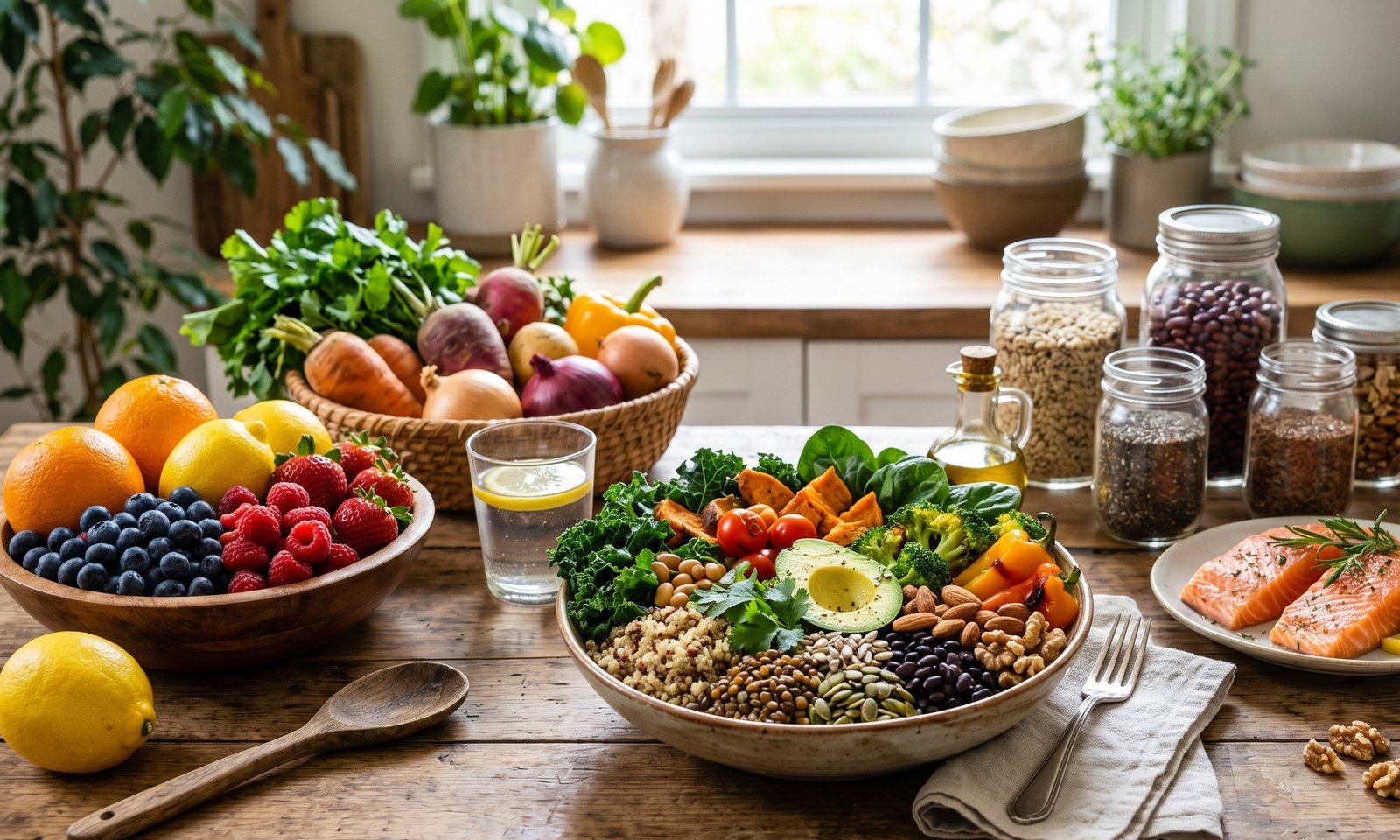
Improving your health is easier than you think. It starts with changing how you view food. Instead of just counting calories, focus on the quality of your meals. Eating nutrient dense foods gives your body the vitamins and minerals it needs to stay healthy.
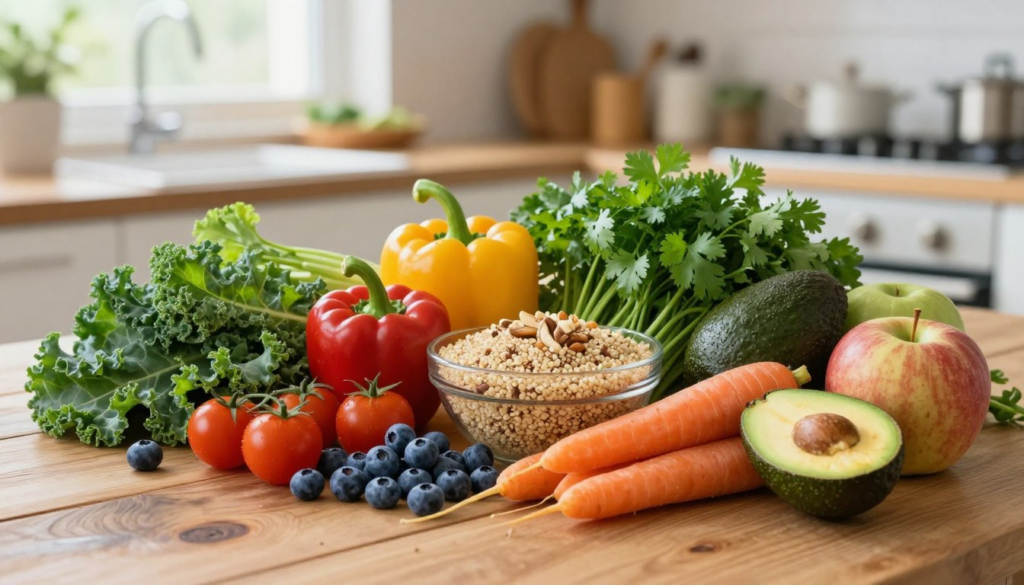
Your daily nutrition is key to feeling good every day. Choosing foods that are high in quality gives you the energy you need. This helps your body work at its best.
Getting healthier is about making small, steady changes. Even small tweaks to your diet can make a big difference. Let’s look at how you can make these changes to improve your health and energy.
Key Takeaways
- Prioritize food quality over total calorie quantity for better health.
- Focus on items rich in vitamins and minerals to support bodily functions.
- Small, consistent dietary changes lead to long-term wellness benefits.
- High-quality fuel directly impacts your daily energy and performance.
- Building better habits is the foundation for a healthier lifestyle.
Understanding the Power of Nutrient Dense Foods
Your body is like a complex machine that needs the right inputs to work well. When you pick what to eat, you’re choosing the parts for your body’s systems. Eating nutrient dense foods means every bite helps your health, not just fills your belly.
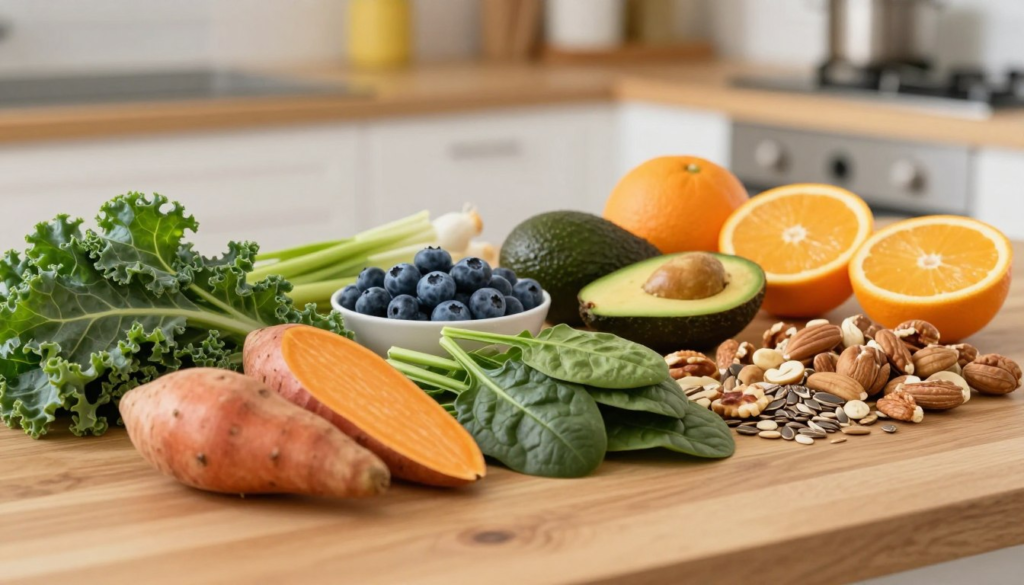
Defining Nutrient Density
Nutrient density is about how much good stuff is in a food compared to calories. Foods high in density give you lots of essential nutrients but not too many calories. On the other hand, processed foods often have empty calories with little nutritional value.
Choosing these high-quality foods helps you have a balanced diet. It’s like getting the most out of every meal. This way, you stay full and energized without eating too much.
Why Your Body Craves Micronutrients
Your cells work hard to keep you healthy, and they need micronutrients to do it. Vitamins and minerals are like spark plugs for your body’s functions. Without them, your body can’t do its basic tasks well.
Eating a wide variety of colorful, whole foods is the best way to get all the nutrients. A balanced diet full of micronutrients keeps you from feeling tired from bad food choices. Choosing nutrient dense foods is a way to take care of yourself and keep your body running smoothly for years.
Assessing Your Current Nutritional Baseline
Starting with a clear baseline is key to better health. By checking your current habits, you can create a balanced diet that meets your goals.
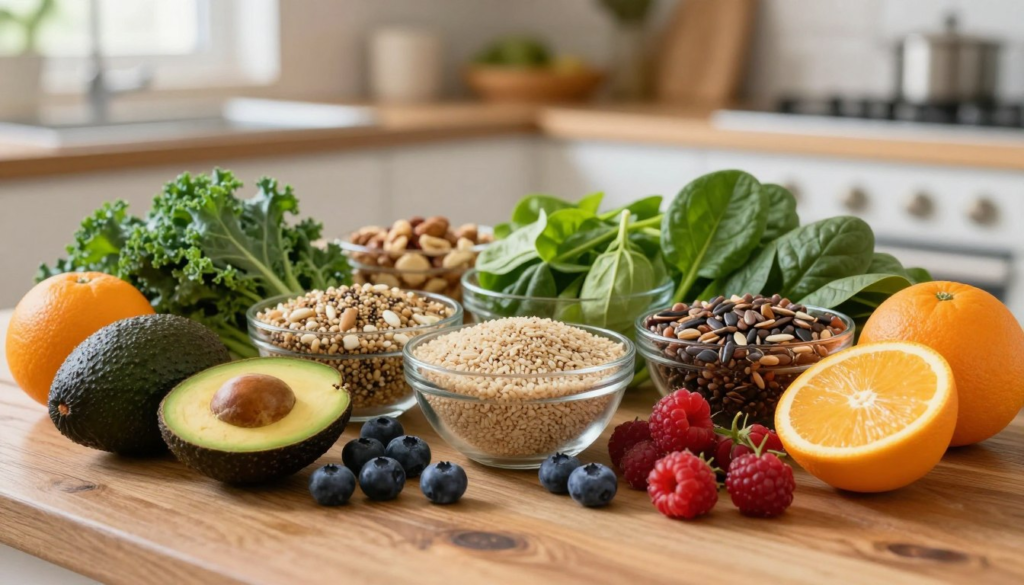
Tracking Your Daily Intake
To grasp your daily nutrition, start by recording your food for a week. Use a mobile app or a food journal to spot patterns you might miss.
Record both how much and what you eat. This helps you see if you’re getting enough variety or if you’re stuck on certain foods.
Identifying Common Nutritional Gaps
After tracking your food, look for nutritional gaps. Many people lack fiber, healthy fats, or vitamins, even if they eat enough calories.
These gaps often come from eating too much processed food. Fixing these gaps is key to staying energized all day.
Signs of Micronutrient Deficiencies
Your body gives hints when it’s missing micronutrients. Paying attention to these signs can help you change your habits before problems get worse.
- Persistent fatigue or low energy levels during the afternoon.
- Unexplained skin changes, such as dryness or slow healing.
- Frequent muscle cramps or feelings of weakness.
- Difficulty concentrating or “brain fog” during work tasks.
If you see these signs, talk to a professional. Small changes in what you eat can make a big difference in how you feel.
Step-by-Step Guide to Incorporating Nutrient Dense Foods
Starting a wellness journey means changing how you pick and cook meals. A clear plan helps turn your kitchen into a place for healthy eating. This approach is about lasting change, not quick fixes.
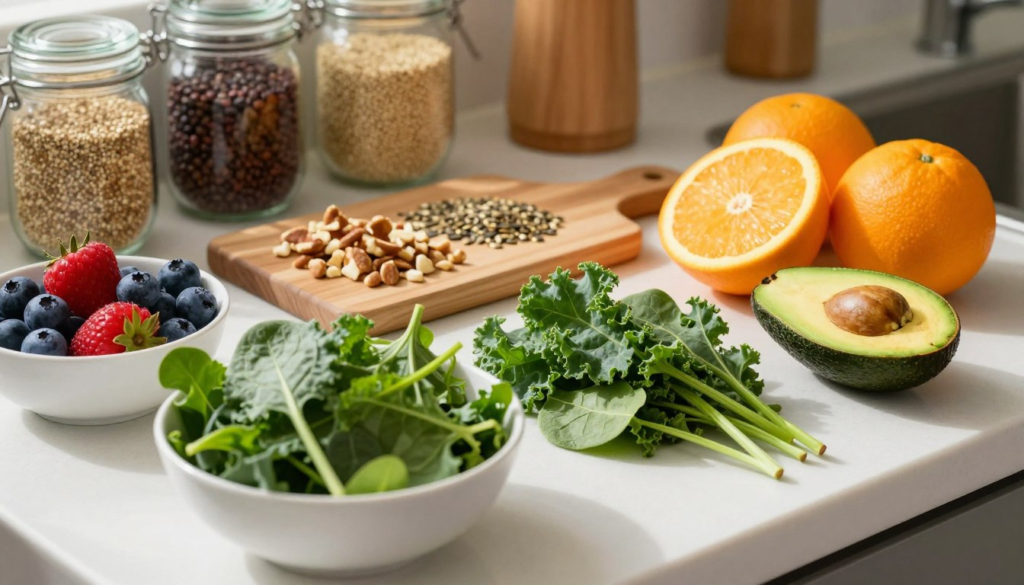
Step One: Audit Your Pantry and Refrigerator
Begin by checking what you have in your kitchen. Look for hidden sugars, bad oils, and artificial stuff in packaged foods.
Getting rid of these items makes room for nutrient dense foods. It also helps you avoid unhealthy snacks.
Step Two: Prioritize Whole Foods Over Processed Alternatives
After cleaning out your pantry, fill it with whole foods. Choose foods that are as natural as possible, like fresh veggies, fruits, and grains.
Switching to these foods means every snack boosts your health. Eating whole foods regularly is key to better nutrition.
Step Three: Gradually Increase Fiber and Antioxidant Intake
Make changes slowly so your body can adjust. Start by adding more fiber with legumes, seeds, and veggies.
Also, increase your antioxidant intake with berries and greens. Doing it slowly helps your body get used to these changes without discomfort.
Step Four: Monitor Your Energy Levels and Digestion
As you change your diet, watch how your body reacts. Keep an eye on your energy levels to see how foods affect your day.
Also, track your digestion to feel your best. If you see improvements, you’re on the right track to a healthier life.
Essential Food Groups for Optimal Health
Your body needs a variety of whole foods to work its best. Eating meals from different food groups gives your body the right fuel. This way, you fill in the gaps left by processed foods.
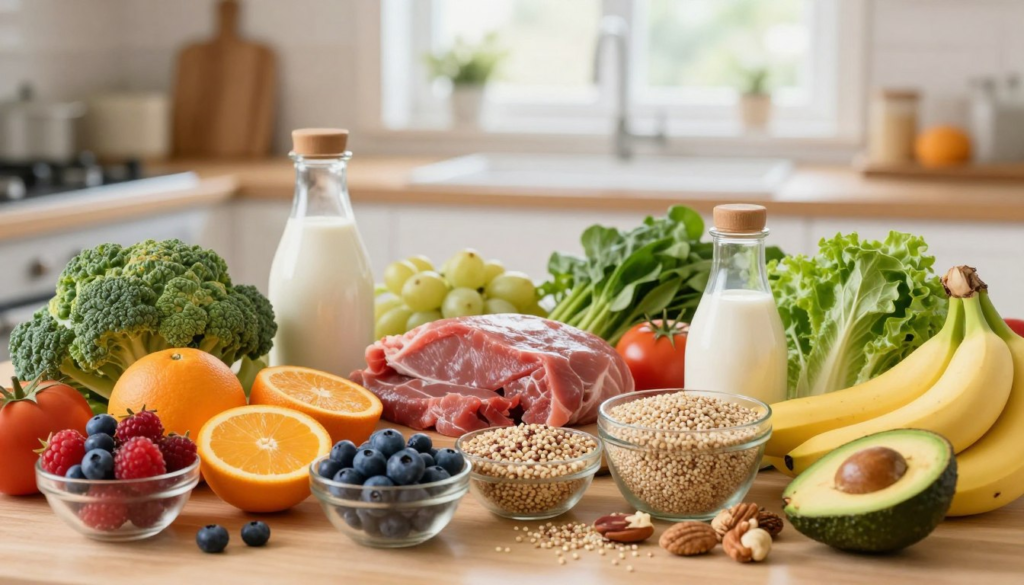
Leafy Greens and Cruciferous Vegetables
Dark leafy greens like kale and spinach are packed with micronutrients. They’re full of vitamins A, C, and K without too many calories. Adding them to your meals boosts your fiber intake.
Cruciferous veggies like broccoli and cauliflower have special compounds. These help your body clean itself. Eating them often keeps you healthy and full of energy.
High-Quality Proteins and Healthy Fats
Good proteins build your muscles and hormones. Wild fish, pasture-raised chicken, and eggs are great sources. They give your body the amino acids it needs. Adding healthy fats like avocado oil makes vitamins easier to absorb.
Eating these whole foods keeps your energy up all day. Choosing quality foods helps avoid afternoon slumps. This balance is key for a healthy metabolism and sharp mind.
Berries and Nutrient-Rich Fruits
Berries are full of antioxidants. Blueberries and raspberries protect your cells. Eating a handful daily is a big health plus.
Citrus and stone fruits add important electrolytes. They keep your body balanced and satisfy your sweet tooth. Eating them often boosts your immune system and skin.
Legumes, Nuts, and Seeds
Legumes like lentils and chickpeas boost your fiber intake. They give you steady energy and prevent blood sugar spikes. They’re also cheap and versatile.
Nuts and seeds, like walnuts and chia seeds, are full of omega-3s. These fats are good for your heart and brain. Adding these food groups to your diet fills nutritional gaps and supports your health.
Smart Shopping Strategies for Better Nutrition
Learning the layout of your grocery store is a simple yet powerful way to improve your nutrition. By improving your grocery shopping habits, you control the quality of food that comes into your home. This careful approach helps you build a strong foundation for long-term health.
Navigating the Perimeter of the Grocery Store
Most supermarkets are set up with fresh, whole foods on the outer edges. Shopping the perimeter means you naturally choose fresh produce, high-quality proteins, and dairy or plant-based alternatives. This area has the most nutrient-dense options for your meals.
Stay away from the inner aisles, where processed foods are often found. Focus on the outer ring to fill your cart with essential food groups that support your body. Consistency is key when improving your diet.
“The food you eat can be either the safest and most powerful form of medicine or the slowest form of poison.”
Ann Wigmore
Reading Labels to Avoid Hidden Additives
Even healthy items need a check of the ingredient list for hidden additives. Many packaged goods have too much sodium, refined sugars, or artificial preservatives. Always choose products with a short, easy-to-read list of ingredients.
If you can’t pronounce an ingredient, it’s likely processed. Choose items with whole foods as main ingredients. Being a smart shopper helps you avoid misleading marketing and focus on real nutritional value.
Choosing Seasonal and Local Produce
Choosing fruits and vegetables in season means you get the most vitamins and minerals. Produce at its peak ripeness tastes better and is more nutritious than out-of-season items. Look for these at local farmers’ markets or the organic section of your store.
Supporting local farmers also adds variety to your diet. By choosing seasonal produce, you naturally get more antioxidants. This simple change in your grocery shopping routine makes healthy eating exciting and effective.
Meal Preparation Techniques to Preserve Nutrients
Even the most expensive organic produce loses value if it’s not handled right in the kitchen. Your daily meal preparation routine is key to keeping vitamins and minerals in your food. A few simple changes can make sure your hard work in the grocery store is worth it.
Best Cooking Methods for Vitamin Retention
High heat and long cooking times can destroy delicate vitamins. To keep more vitamin retention, choose gentle methods like steaming or light sautéing. These methods use less water and heat, helping keep your veggies fresh.
The way you prepare your food is just as important as the quality of the ingredients you choose.
Boiling can lose water-soluble vitamins in the cooking liquid, which is often thrown away. Try roasting or quick stir-frying instead. These methods help keep flavor and nutrients in your food. Making these small changes consistently can greatly improve your diet.
Batch Cooking for Consistent Healthy Eating
Planning meals ahead of time helps avoid relying on processed foods. Spending a few hours each week on batch cooking ensures healthy options are always available. This strategy keeps you eating whole foods consistently, without daily stress.
Focus on making versatile items like quinoa, roasted root vegetables, or grilled proteins. Having these ready makes it easy to create a healthy meal quickly. This method is especially helpful during busy weeks.
Proper Storage to Maintain Freshness
How you store your food affects its freshness and nutrient absorption. Always use airtight containers to protect produce from damage. Keeping your fridge at the right temperature also helps slow down vitamin loss.
Here are some storage tips to keep your ingredients fresh:
- Store leafy greens with a paper towel to absorb excess moisture.
- Keep ethylene-producing fruits like apples away from sensitive vegetables.
- Use glass containers to prevent chemical leaching from plastic.
Taking care of your ingredients ensures you get the most health benefits from every bite. Proper storage and careful preparation are key to a nutritious lifestyle.
Overcoming Common Barriers to Healthy Eating
Getting into healthy eating is easier with the right strategies. Life can get busy, but you can still eat well by planning and being flexible. By tackling these challenges, you make sure your body gets the nutrients it needs.
Managing Time Constraints with Efficient Prep
Good meal preparation is key to a healthy diet. Spend a few hours on the weekend to prep your ingredients. This saves a lot of time during the week.
Keep staples like pre-cooked grains, roasted veggies, and lean proteins ready. This makes quick, balanced meals easy. It keeps you away from unhealthy, processed foods.
Budgeting for High-Quality Ingredients
Many think healthy eating is pricey, but smart grocery shopping can save money. Buy seasonal produce for better taste and lower cost. Frozen fruits and veggies are also good choices, as they’re picked at peak freshness.
Buying bulk on pantry staples like beans, lentils, and nuts is smart. They offer quality protein and fiber without the high cost of packaged snacks. Choosing whole foods boosts your diet and saves money.
Handling Social Situations and Dining Out
Going out to eat or attending social events doesn’t have to ruin your diet. Opt for grilled, steamed, or roasted dishes instead of fried ones. These methods help you absorb nutrients better and keep your energy up.
At social events, eat a small, nutritious snack before you go. This helps you avoid making unhealthy choices when you’re hungry. Remember, your journey to better nutrient absorption is a long-term effort, and one meal won’t make or break it.
| Barrier | Strategy | Key Benefit |
| Time Constraints | Batch Cooking | Consistent Nutrition |
| Budget Concerns | Seasonal Shopping | Cost Efficiency |
| Social Pressure | Mindful Selection | Goal Maintenance |
Conclusion
Choosing a diet full of nutrient-dense foods is a strong start for your health. You can change your health by picking what you eat every day.
Your dedication to eating well boosts your body and mind. Even small changes can make a big difference in how you feel. You’ll see a big boost in your energy as your body gets the right food.
When you focus on keeping vitamins in your food, you get the most out of every bite. This makes cooking a way to live longer. By choosing quality over quick fixes, you control your health.
Eating well is a journey, not just a goal. Success comes from sticking to good habits over time. Share your journey with loved ones to stay motivated on your path to a healthy life.
FAQ
What exactly defines a nutrient dense food?
Nutrient density is about the vitamins and minerals in a food compared to its calories. Choosing nutrient dense foods means you get the good stuff without extra empty calories. This is why foods like Lay’s chips or sugary sodas are not as good.
Why does your body specifically crave micronutrients?
Your body needs micronutrients for cell repair, immune support, and metabolism. Eating foods rich in these nutrients satisfies your body’s needs. This can help keep your energy levels steady all day.
How can you identify if you have common nutritional gaps?
Use tools like MyFitnessPal or Cronometer to track your food. Signs of nutrient deficiencies include fatigue, skin issues, or weak immunity. Knowing your nutritional needs helps you choose the right foods.
What is the first step to auditing your current diet?
Start by cleaning out your pantry and fridge. Get rid of processed foods with hidden additives. Choose whole foods like Bob’s Red Mill grains or Vital Farms eggs for better nutrition.
Which food groups are most effective for increasing fiber and antioxidant intake?
Focus on leafy greens, cruciferous veggies, berries, legumes, nuts, and seeds. These foods are packed with fiber and antioxidants for long-term health and better digestion.
How can you shop more effectively at the grocery store?
Shop the perimeter of the store for fresh produce. Read labels to avoid additives and sugars that harm your health goals. Stores like Whole Foods Market or Trader Joe’s have great options.
What are the best cooking methods for maximum vitamin retention?
Use steaming or light sautéing to keep vitamins and minerals intact. Avoid deep-frying or boiling, which can destroy nutrients. This helps your body absorb more nutrients.
How do you manage healthy eating with time constraints and a tight budget?
Batch cooking on weekends saves time and ensures healthy meals all week. Buy quality ingredients like lentils or seasonal veggies in bulk. They’re cheaper and more nutritious than pre-packaged meals.
How can you maintain your nutritional standards when dining out?
Choose high-quality proteins and healthy fats at places like Sweetgreen or True Food Kitchen. Ask for healthier options, like swapping fries for greens. This keeps your nutrition goals on track.
