
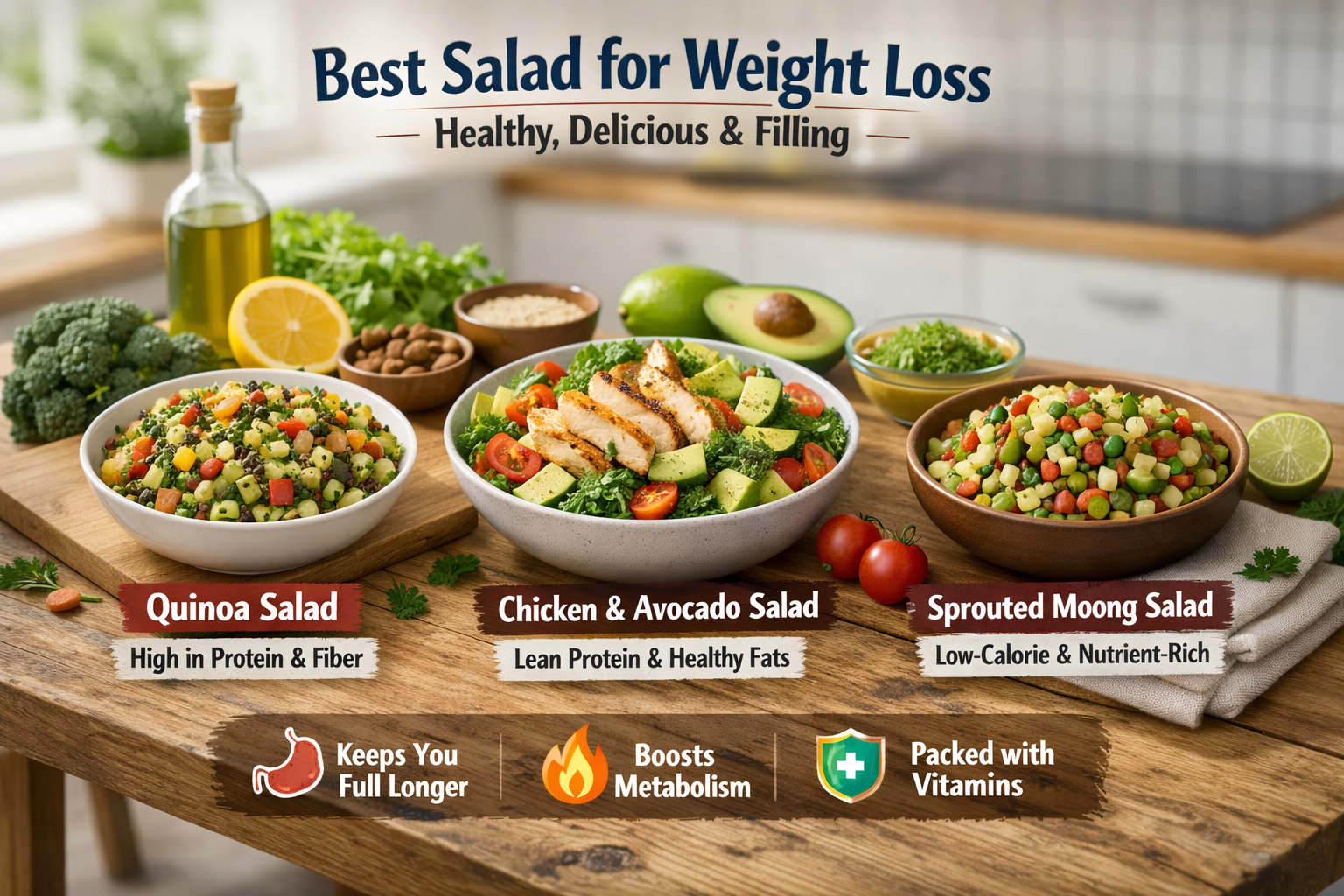
Many people struggle to find a sustainable path to health. You might wonder which type of salad is best for weight loss when staring at a menu or your own refrigerator. The secret lies in understanding the nutritional density of your bowl.
Transforming your daily habits starts with simple, intentional choices. Our weight loss nutrition guide helps you navigate the world of greens, proteins, and healthy fats. By selecting the right ingredients, you create a meal that satisfies your hunger while fueling your body correctly.
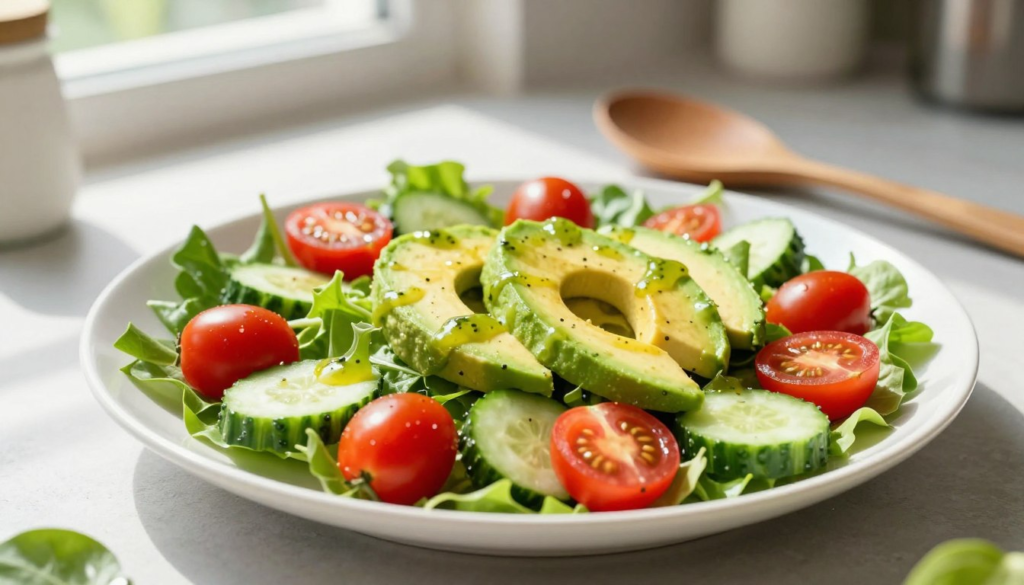
Learning how to lose weight with salads is more than just eating leaves. It is about balancing flavors and nutrients to keep you full longer. This guide simplifies the science of healthy eating to ensure you see long-term results without feeling deprived.
Key Takeaways
- Focus on high-fiber vegetables to increase satiety.
- Include lean protein sources to support muscle maintenance.
- Choose healthy fats like avocados or nuts in moderation.
- Avoid heavy, processed dressings that add hidden calories.
- Prioritize fresh, whole ingredients over pre-packaged options.
- Consistency in your meal planning leads to sustainable success.
Understanding the Role of Salads in a Weight Loss Journey
Salads offer a unique opportunity to eat more while consuming fewer calories, making them essential for any health journey. Many people mistakenly believe that dieting requires constant hunger, but incorporating healthy salad recipes into your routine proves otherwise. By focusing on high-volume, nutrient-dense ingredients, you can fuel your body effectively while reaching your goals.
Why Calorie Density Matters in Your Bowl
To succeed in your wellness goals, you must understand how different foods impact your energy balance. Calorie density explained simply means the number of calories in a specific weight of food. When you choose ingredients with low calorie density, you can consume a larger portion size without exceeding your daily energy needs.
This approach allows you to fill your stomach physically, which sends signals of fullness to your brain. Healthy eating for weight loss becomes much easier when you prioritize vegetables over processed alternatives. Consider these advantages of a high-volume diet:
- Increased intake of essential vitamins and minerals.
- Better blood sugar regulation throughout the day.
- Reduced cravings for high-calorie, low-nutrient snacks.
The Psychological Benefits of Eating Fresh Produce
The mental aspect of dieting is just as important as the physical one. When you see a large, colorful bowl of fresh greens, your brain perceives a sense of abundance rather than restriction. This visual satisfaction is one of the most effective weight loss diet tips available, as it prevents the feelings of deprivation that often lead to quitting.
”The greatest wealth is health, and the simplest way to maintain it is by filling your plate with the vibrant colors of nature.”
Anonymous
Embracing this mindset shift allows you to view your meals as a source of nourishment rather than a list of limitations. By consistently choosing fresh, whole ingredients, you build a sustainable lifestyle that supports long-term success. You will find that you no longer need to count every single calorie when your foundation is built on nutrient-dense produce.
Which type of salad is best for weight loss
Achieving your weight loss goals often comes down to the specific ingredients you choose for your daily salad. While many people view salads as a simple health food, the reality is that the composition of your bowl determines your success. By focusing on high-volume, low-energy ingredients, you can stay full while maintaining a caloric deficit.
Defining the Ideal Nutrient-to-Calorie Ratio
To understand how to build the perfect meal, you must have a calorie density explained clearly. This concept refers to the number of calories in a specific weight of food. When you prioritize foods with a low calorie density, you can eat a larger portion size without consuming excess energy.
The ideal nutrient-to-calorie ratio acts as the gold standard for your kitchen. It ensures that every bite provides essential vitamins, minerals, and fiber rather than empty calories. Consider these benefits of this approach:
- Increased satiety: High-volume meals keep you feeling full for longer periods.
- Metabolic support: Nutrient-dense foods help your body function at its peak.
- Sustainable habits: You avoid the hunger pangs often associated with restrictive dieting.
Why Leafy Greens Should Always Be Your Foundation
When searching for the best greens for weight loss, you should look for varieties that offer both texture and high water content. Leafy greens serve as the essential base for any bowl because they provide massive volume with almost negligible caloric impact. They are the secret weapon for anyone looking for low-calorie salad ideas that actually satisfy.
Consistency is key when building your foundation. By starting with a generous portion of dark, leafy greens, you create a canvas that is naturally low in energy but high in micronutrients. This simple habit ensures that your weight loss journey remains on track without requiring you to sacrifice the pleasure of a large, refreshing meal.
Selecting the Right Base Greens for Maximum Satiety
Selecting the perfect green can transform a simple bowl into a powerhouse of nutrition. When you focus on the best greens for weight loss, you provide your body with essential vitamins while keeping your calorie intake low. Rotating your choices ensures you never get bored with your daily meals.
Comparing Spinach, Kale, and Arugula
Spinach is a versatile favorite that offers a mild flavor and a soft texture. It is packed with iron and folate, making it one of the most nutrient-dense salad ingredients available in your local grocery store.
Kale provides a much heartier experience due to its fibrous structure. Because it takes longer to chew, it can help you feel more satisfied after your meal. Arugula, on the other hand, brings a bold, peppery kick that adds excitement to any bowl without needing heavy dressings.
The Benefits of Adding Crunchy Romaine or Iceberg
While darker greens often get the spotlight, crunchy options like romaine and iceberg play a vital role in your diet. These greens are mostly water, which allows you to add significant volume to your plate for very few calories.
The satisfying crunch of romaine or iceberg can trick your brain into feeling like you are eating a much larger portion. Incorporating these nutrient-dense salad ingredients alongside softer leaves creates a balanced texture. By mixing these varieties, you ensure that your journey toward the best greens for weight loss remains both delicious and sustainable.
Incorporating Lean Proteins to Boost Metabolism
If you want to transform your bowl into a metabolism-boosting powerhouse, protein is the key ingredient. Adding a high-protein salad to your daily routine helps maintain muscle mass while your body burns fat. This simple habit ensures you feel satisfied long after your meal ends.
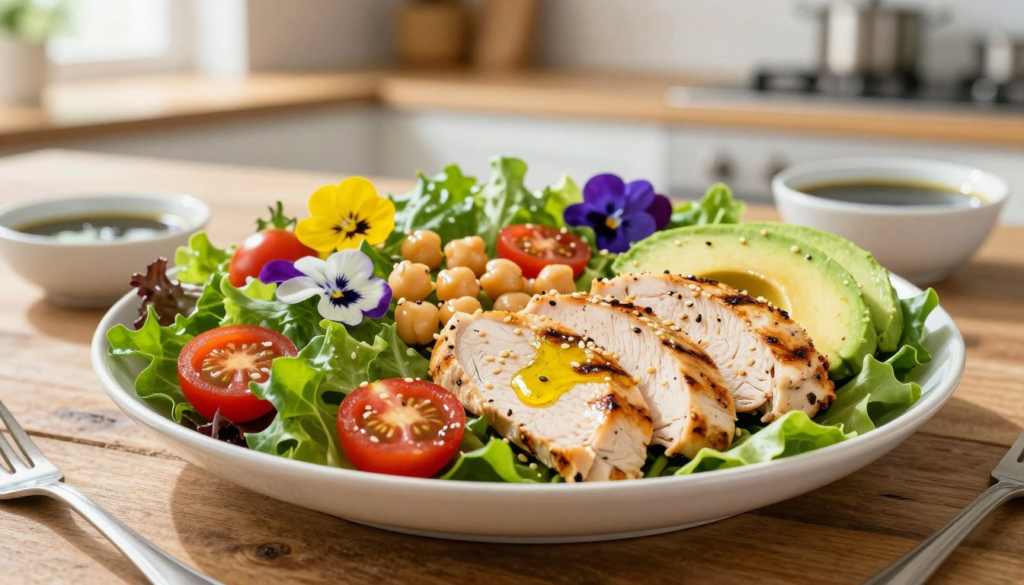
When you prioritize protein, you effectively curb the urge to reach for unhealthy snacks later in the day. Consistency is the secret to seeing real results on the scale. By choosing the right fuel, you provide your body with the building blocks it needs to thrive.
Best Animal-Based Protein Sources for Salads
Animal proteins are excellent for providing a complete amino acid profile. Grilled chicken breast remains a classic choice because it is lean and versatile. You can also try adding cold-flaked salmon, which provides healthy omega-3 fatty acids alongside high-quality protein.
“Protein is the most satiating macronutrient, meaning it helps you feel full and satisfied, which is crucial for long-term weight management.”
Hard-boiled eggs or lean turkey slices also work wonders in a high-protein salad. These options are easy to prepare in advance, making your meal prep much faster. Always aim for lean cuts to keep your total calorie count in check while maximizing your nutrient intake.
Plant-Based Protein Options for Sustained Energy
For those focusing on plant-based weight loss, there are many delicious ways to boost your intake. Chickpeas offer a wonderful texture and a nice dose of fiber to keep your digestion smooth. Tofu is another fantastic option, as it absorbs the flavors of your favorite dressings perfectly.
Edamame provides a satisfying crunch and a significant amount of protein per serving. These ingredients are perfect for creating a plant-based weight loss strategy that feels both filling and nutritious. You can mix and match these sources to keep your meals exciting every single day.
| Protein Source | Serving Size | Protein Content | Best Pairing |
| Grilled Chicken | 3 oz | 26g | Spinach & Balsamic |
| Chickpeas | 1/2 cup | 7g | Kale & Lemon |
| Tofu (Firm) | 3 oz | 9g | Arugula & Ginger |
| Edamame | 1/2 cup | 9g | Romaine & Sesame |
Choosing Healthy Fats That Keep You Full Longer
Elevating your salad with nutrient-dense fats is a smart strategy for long-term satiety. While many dieters avoid fats entirely, these components are essential for your body to absorb fat-soluble vitamins like A, D, E, and K. Incorporating healthy fats for satiety ensures that your meal provides lasting energy rather than leaving you hungry an hour later.
The Role of Avocado and Nuts in Weight Management
Avocados and nuts are powerhouse ingredients that add creaminess and crunch to your bowl. Avocado provides monounsaturated fats that help stabilize your appetite, while nuts offer a satisfying texture that encourages slower eating. By choosing these nutritious salad toppings, you create a more balanced meal that supports your weight loss goals.
- Avocado: Provides heart-healthy fats and fiber.
- Walnuts: Rich in omega-3 fatty acids.
- Sunflower Seeds: Add a pleasant crunch and vitamin E.
- Almonds: High in protein and healthy fats.
Portion Control for High-Calorie Toppings
Even the most beneficial fats are calorie-dense, so moderation is vital for success. It is easy to accidentally turn a light salad into a high-calorie meal by over-pouring oils or adding too many nuts. Using nutritious salad toppings strategically allows you to enjoy the flavor without exceeding your daily energy needs.
To maintain your progress, try measuring your fats before adding them to your bowl. A small handful of nuts or a quarter of an avocado is usually enough to provide the desired richness. These healthy fats for satiety work best when they complement your greens rather than overwhelming them.
| Topping | Serving Size | Benefit |
| Avocado | 1/4 fruit | Creamy texture |
| Walnuts | 1 tablespoon | Heart health |
| Chia Seeds | 1 teaspoon | Fiber boost |
The Importance of Fiber-Rich Vegetables and Legumes
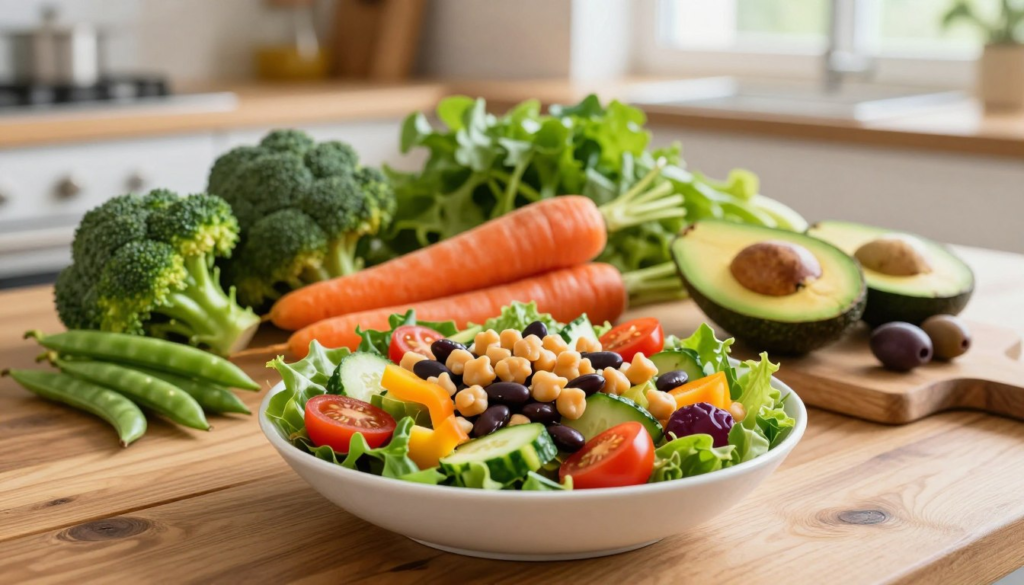
Transforming your salad into a satisfying meal starts with the right choice of vegetables and legumes. Incorporating fiber-rich foods for weight loss is a smart strategy because fiber slows down digestion, keeping you feeling full for hours. This simple habit helps you avoid mindless snacking between meals.
Adding Volume Without Adding Excess Calories
One of the biggest challenges in dieting is feeling deprived due to small portion sizes. By choosing nutrient-dense salad ingredients, you can physically fill your bowl without consuming a high number of calories. Vegetables like broccoli, cauliflower, and bell peppers provide a satisfying crunch and significant volume.
These ingredients are naturally low in energy density, meaning you can eat a larger portion while still staying within your daily calorie goals. This approach to healthy eating for weight loss ensures that your plate looks abundant and appealing. You will find that your body feels more nourished when you prioritize these high-fiber options.
How Beans and Lentils Stabilize Blood Sugar
Legumes are a powerhouse for anyone looking to maintain steady energy levels throughout the day. When you add beans or lentils to your salad, you introduce complex carbohydrates that digest slowly. This process prevents the rapid spikes and crashes in blood sugar that often lead to cravings.
By keeping your blood sugar stable, you are less likely to reach for sugary treats or processed snacks. These legumes also provide a great texture contrast, making your salad feel like a complete, hearty meal. Consider the following options to boost your fiber intake:
| Ingrediet | Fiber Content | Best Use |
| Black Beans | High | Southwest Salads |
| Chickpes | Moderate | Mediterranean Bowls |
| Lentils | High | Warm Grain Salads |
| Edamae | Moderate | Asian-Inspired Salads |
Navigating Salad Dressings and Avoiding Hidden Calories
Transforming a bowl of greens into a weight-loss powerhouse starts with your choice of dressing. While fresh vegetables provide essential nutrients, the wrong topping can quickly turn a light meal into a calorie-dense trap. Finding healthy salad dressings is essential for anyone serious about their wellness goals.
The Dangers of Store-Bought Creamy Dressings
Many popular creamy dressings found on supermarket shelves are packed with hidden sugars and processed oils. These ingredients often lack nutritional value and can spike your blood sugar levels unexpectedly. It is truly alarming how quickly a few tablespoons of ranch or Caesar dressing can add hundreds of empty calories to your plate.
Manufacturers frequently use stabilizers and preservatives to extend shelf life, which may not support your body’s needs. By relying on these pre-made options, you lose control over the quality of your ingredients. Choosing to avoid these processed bottles is a simple yet powerful step toward better health.
Simple Homemade Vinaigrettes for Weight Loss
Creating your own dressings at home allows you to control exactly what goes into your body. A basic vinaigrette requires only a few high-quality ingredients like extra virgin olive oil, balsamic vinegar, or fresh lemon juice. These mixtures provide healthy fats for satiety, which help you feel full and satisfied long after your meal ends.
You can easily experiment with herbs like basil, oregano, or a touch of Dijon mustard to enhance the flavor profile. These natural additions provide a burst of taste without the need for artificial sweeteners or thickeners. Mastering these simple, delicious recipes ensures that your salads remain both nutritious and enjoyable every single day.
By prioritizing these healthy fats for satiety, you maintain steady energy levels throughout the afternoon. Embracing homemade options is one of the most effective ways to ensure your healthy salad dressings support your long-term weight loss journey.
Step-by-Step Guide to Building a Balanced Weight Loss Salad
Mastering the art of the bowl requires a strategic approach to ingredients and flavor. By following a structured method, you can easily create healthy salad recipes that satisfy your hunger while supporting your weight loss journey. This simple process ensures your meals remain both nutritious and delicious.
Step One: Choosing Your Foundation
The base of your salad sets the stage for your entire meal. Start with a generous portion of dark, leafy greens like spinach, kale, or arugula to maximize nutrient density. These greens provide essential vitamins without adding significant calories to your plate.
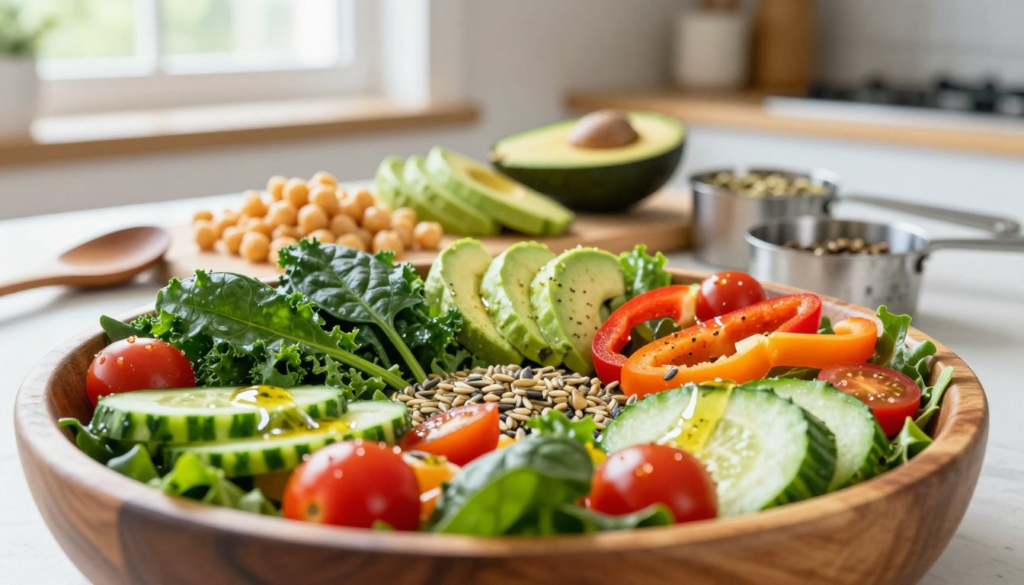
You should aim for at least two cups of greens to create a satisfying volume. Variety is key, so feel free to mix different textures to keep your palate interested throughout the week.
Step Two: Adding Your Protein and Fiber
To transform your greens into a high-protein salad, you must include a quality source of protein. Grilled chicken, chickpeas, or hard-boiled eggs are excellent choices that help maintain muscle mass and keep you full. Adding fiber-rich vegetables like cucumbers, bell peppers, or lentils further stabilizes your blood sugar levels.
This combination of protein and fiber is the secret to long-lasting satiety. When you feel full, you are much less likely to reach for unhealthy snacks later in the day. Consistency is the foundation of success when building these nutrient-dense bowls.
Step Three: Selecting Your Dressing and Toppings
The final touch involves choosing healthy salad dressings that enhance flavor without hidden calories. Opt for simple vinaigrettes made with olive oil, lemon juice, or balsamic vinegar rather than heavy, store-bought creamy options. A light drizzle is often enough to coat your ingredients perfectly.
Finally, add a small portion of healthy fats like avocado or a sprinkle of nuts for a satisfying crunch. If you are looking for salad meal prep tips, remember to keep your dressing in a separate container until you are ready to eat. This simple habit prevents your greens from wilting and keeps your meal fresh and crisp.
Common Mistakes That Turn Healthy Salads Into Calorie Bombs
Even the most nutritious base can quickly become a calorie bomb if you are not careful with your toppings. Many people wonder how to lose weight with salads, yet they inadvertently sabotage their efforts by adding high-calorie extras. It is essential to recognize that small additions can easily negate the caloric deficit required for your health goals.
Overloading on Croutons and Fried Toppings
Croutons might add a satisfying crunch, but they are often just refined carbohydrates soaked in oil or butter. When you pile them high, you are essentially adding empty calories that provide little nutritional value. Instead of these processed options, consider using toasted seeds or nuts to achieve that delightful texture without the unwanted weight gain.
Fried toppings, such as crispy onions or breaded chicken strips, are another common trap. These items are typically deep-fried, which significantly increases the fat content of your meal. Exploring low-calorie salad ideas often means choosing grilled or roasted proteins that keep your dish light and effective.
The Trap of Excessive Cheese and Bacon Bits
Cheese and bacon bits are frequently used to enhance flavor, but they are calorie-dense ingredients that add up fast. A heavy sprinkle of cheddar or a handful of salty bacon can turn a bowl of greens into a meal that rivals a heavy entree. Being mindful of these portions is a critical step in maintaining your progress.
Focusing on nutritious salad toppings like fresh herbs, radishes, or cucumbers can provide plenty of flavor without the extra fat. By making these small, intentional changes, you ensure that your salad remains a powerful tool for your wellness journey. Mindful choices are the secret to long-term success.
Meal Prepping Strategies for Consistent Weight Loss
Mastering the art of meal prep for weight loss can transform your busy week from chaotic to controlled. When you have healthy options ready to go, you are far less likely to reach for processed snacks or takeout. Consistency is the foundation of any successful nutrition plan, and preparation is the tool that makes it possible.
How to Keep Your Greens Fresh All Week
The biggest challenge with salad meal prep tips is keeping your leafy greens crisp and vibrant. Moisture is the enemy of freshness, so you must manage it carefully. Always wash your greens thoroughly and dry them completely using a salad spinner or paper towels before storing them.
Once dry, place your greens in an airtight container lined with a dry paper towel. The towel acts as a sponge, absorbing excess moisture that would otherwise cause your leaves to wilt. This simple step ensures your base remains crunchy and delicious for several days.
Layering Your Ingredients to Prevent Soggy Salads
Effective weight loss meal planning relies on the “jar method” to maintain the perfect texture. By layering your ingredients correctly, you prevent your vegetables from soaking up the dressing too early. This technique keeps your salad fresh, crunchy, and ready to eat whenever hunger strikes.
Follow this order when building your salad in a container:
- Bottom Layer: Pour your dressing first so it stays away from the greens.
- Second Layer: Add hearty, non-absorbent vegetables like cucumbers, carrots, or chickpeas.
- Third Layer: Include your lean proteins, such as grilled chicken or tofu.
- Top Layer: Finish with your delicate leafy greens to keep them dry and crisp.
When you are ready to eat, simply shake the container or pour the contents into a bowl. This method ensures that every bite is as fresh as the moment you prepared it. Staying organized is the ultimate secret to long-term success.
Customizing Your Salads Based on Dietary Preferences
Whether you are keto, vegan, or gluten-free, your salad bowl can be perfectly adjusted to meet your needs. Effective weight loss meal planning relies on your ability to create meals that you actually enjoy eating every single day. By making small, intentional swaps, you ensure that your nutrition stays on track without feeling restricted.
Adapting for Low-Carb and Keto Lifestyles
If you are following a low-carb or ketogenic diet, the goal is to keep your insulin levels stable while maintaining high satiety. You should prioritize healthy fats like avocado, walnuts, or olive oil to replace the energy typically provided by grains. Focusing on these fats helps you stay full for hours after your meal.
Avoid adding croutons, dried fruits, or sugary dressings that can quickly spike your blood sugar. Instead, load your bowl with non-starchy vegetables like cucumbers, bell peppers, and radishes. These additions provide the crunch you crave while keeping your net carb count low.
Modifying Salads for Vegan and Gluten-Free Needs
For those focused on plant-based weight loss, the key is to combine diverse protein sources to ensure you get all essential amino acids. You can easily swap animal proteins for chickpeas, black beans, or organic tofu. These ingredients are excellent fiber-rich foods for weight loss that keep your digestion smooth and your hunger levels in check.
If you are gluten-free, always double-check your salad dressings and toppings for hidden wheat-based thickeners or soy sauce. Opt for simple, homemade vinaigrettes made with apple cider vinegar or fresh lemon juice. Taking control of your ingredients ensures that your salad remains a powerful tool in your journey toward a healthier version of yourself.
Conclusion
Creating the perfect bowl is about finding a balance between volume, nutrition, and flavor. You now possess the tools to transform simple greens into a powerhouse meal that supports your wellness goals.
Integrating these weight loss diet tips into your daily routine helps you stay satisfied while managing your caloric intake. Focus on fresh ingredients to keep your body fueled and energized throughout the day.
Adopting consistent meal prep for weight loss ensures you always have a healthy option ready when hunger strikes. This simple habit removes the stress of last-minute food choices and keeps you on track with your objectives.
Building sustainable weight loss habits requires patience and a willingness to experiment with new flavors. Use this weight loss nutrition guide as a roadmap to refine your kitchen skills and discover combinations you truly enjoy.
Your journey toward better health starts with the very next meal you prepare. Share your favorite salad creations with friends or family to inspire others on their own path to wellness. Take control of your plate today and enjoy the lasting results of your efforts.
FAQ
What makes a salad “the best” for weight loss specifically?
The most effective salad for weight loss is one that prioritizes calorie density and nutrient-to-calorie ratios. By using a base of leafy greens like Spinach or Arugula, you can consume a high volume of food that triggers psychological satiety without exceeding your daily caloric limit. The key is balancing high-fiber vegetables with a controlled amount of lean protein and healthy fats to keep your metabolism active.
Why should I focus on leafy greens like kale or romaine instead of just toppings?
Leafy greens should always be your foundation because they provide essential micro-nutrients and fiber with very few calories. While Kale and Spinach offer intense nutritional profiles, even crunchy options like Romaine or Iceberg are valuable for adding satisfying volume. Starting with a large bed of greens ensures you are filling up on the “good stuff” before the more calorie-dense toppings are added.
Which proteins are best to keep me full until my next meal?
For optimal weight loss, choose lean proteins that support muscle maintenance. Excellent animal-based options include grilled chicken breast or StarKist tuna. If you prefer plant-based sources, reaching for chickpeas, tofu, or edamame provides both protein and fiber, which helps in maintaining sustained energy levels and prevents the dreaded mid-afternoon energy crash.
Can I still add avocado and nuts if I’m trying to lose weight?
Absolutely! Healthy fats found in avocado, walnuts, and sunflower seeds are vital for absorbing fat-soluble vitamins and increasing meal satisfaction. However, because these are calorie-dense, portion control is essential. A small serving of avocado or a sprinkle of nuts provides the macronutrients needed to keep you full longer without turning your healthy meal into a high-calorie bomb.
Why are store-bought dressings like ranch often discouraged?
Many commercial dressings, such as traditional Hidden Valley Ranch or creamy Caesar, are loaded with hidden sugars, unhealthy trans fats, and preservatives. These can quickly add hundreds of “invisible” calories to your bowl. Instead, try making a simple homemade vinaigrette using Bragg Apple Cider Vinegar or balsamic vinegar with a touch of extra virgin olive oil to enhance the flavor while keeping your glycemic index stable.
How do beans and lentils help with blood sugar stabilization?
Fiber-rich legumes like black beans and lentils are “slow-burning” carbohydrates. They have a low glycemic impact, meaning they release energy gradually into your bloodstream. This prevents the sharp spikes and drops in blood sugar that often lead to cravings for sugary snacks, making it much easier to stay committed to your weight loss journey.
What are the most common “hidden calorie” mistakes people make with salads?
The most frequent culprits are crunchy toppings like croutons, fried wonton strips, and excessive amounts of cheese or bacon bits. While they add texture, they also add significant amounts of saturated fat and refined carbs. To keep your salad light, swap croutons for raw radishes or cucumber for that desired crunch without the unnecessary calories.
How can I meal prep salads without them getting soggy by Wednesday?
The secret to successful meal prep is the layering technique . Start by placing your dressing at the very bottom of a container (or a Mason Jar), followed by hearty vegetables like carrots and chickpeas. Place your protein in the middle, and always keep your leafy greens at the very top. This keeps the delicate leaves away from the moisture, ensuring your salad stays crisp and fresh all week long.
Can I customize these weight loss salads for a Keto or Vegan lifestyle?
Yes! Salads are incredibly versatile. For a Keto approach, increase your intake of healthy fats and fatty proteins like salmon while keeping the legumes to a minimum. For a Vegan plan, swap animal proteins for tempeh or quinoa and use a lemon-tahini dressing. These modifications ensure that regardless of your dietary preference, you are still achieving a nutrient-dense meal that supports your health goals.
