

Many people get lost in complex diets and fads. You might ask what is the simplest diet to lose weight and keep your energy up. The secret is that lasting success comes from simple, not complicated, rules.
Instead, true wellness starts with basic habits. Eating whole foods and moving regularly is key. This way, you build a lasting path to your goals. It also cuts down on the stress of modern health trends.

Start a healthier life today with small, easy steps. Focus on being consistent, not perfect. Simple strategies often lead to big changes in your body and mind.
Key Takeaways
-
- Focus on whole, unprocessed foods for better health.
-
- Consistency beats intensity when building new habits.
-
- Avoid restrictive fads that are difficult to maintain.
-
- Listen to your body’s natural hunger and fullness cues.
-
- Small, daily actions lead to lasting physical changes.
Understanding the Principles of Sustainable Weight Loss
To change your body composition, you need to know the basics of weight loss. Many people fail because they see health as a short-term goal, not a lifelong journey. By focusing on sustainable weight loss, you can create healthy eating habits that last, not just for a few weeks.

Why Complex Diets Often Fail
Diets that are too complicated often lead to burnout. They ask for perfection, which is hard to keep up with. Plans that require tracking every gram or cutting out whole food groups are hard to stick to in real life. You should have a plan that fits your life, not one that makes you hide from social events.
Here are some common problems with strict diets:
-
- Social isolation: Feeling like you can’t eat out with friends or family.
-
- Mental fatigue: Getting stressed out over every food choice.
-
- The “all-or-nothing” trap: One small slip-up makes you give up completely.
“The best diet is the one you can actually stick to for the long haul, not the one that promises the fastest results.”
The Science of Energy Balance
Weight management is all about the calorie deficit basics. Your body needs a certain number of calories to work, and that’s measured in calories. If you eat fewer calories than you burn, you create a deficit. This forces your body to use stored energy.
Grasping this concept is powerful because it makes weight loss clear. You don’t need magic pills or extreme diets to lose weight. You just need to match what you eat to what your body needs.
| Concept | Impact | Sustainability |
| Calorie Deficit | Triggers weight loss | High |
| Extreme Restriction | Triggers metabolic stress | Low |
| Balanced Nutrition | Supports long-term health | High |
What is the simplest diet to lose weight
The best way to lose weight is often the simplest. By not focusing too much on numbers, you can build sustainable habits for life. Finding the simplest diet to lose weight means choosing foods that naturally control your hunger.
Focusing on Whole, Unprocessed Foods
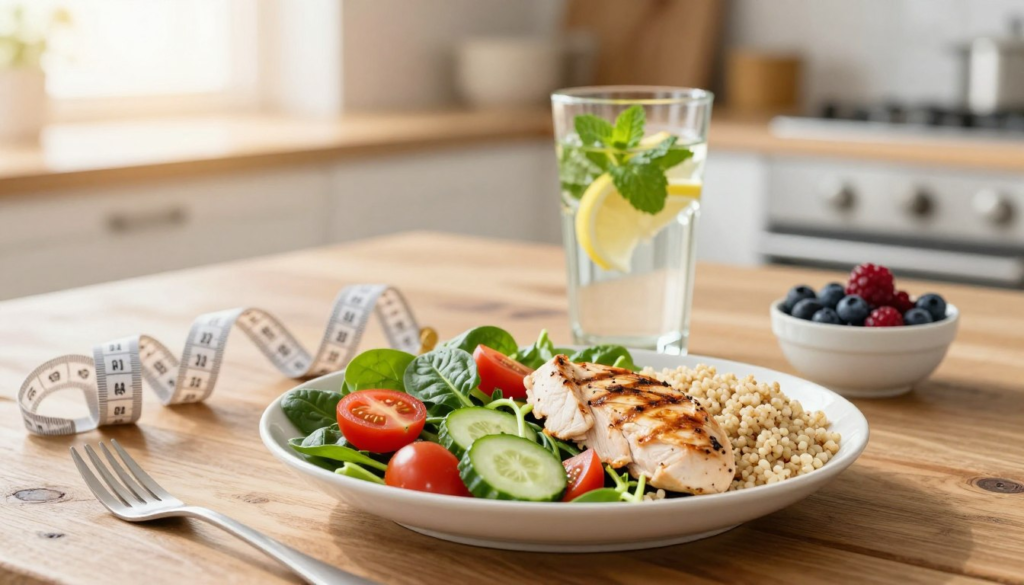
A whole foods diet means eating foods that are barely processed. Fill your plate with veggies, fruits, lean meats, and whole grains. These foods give you important vitamins and minerals and are low in calories but high in volume.
Getting rid of processed snacks cuts out hidden sugars and unhealthy fats. This helps your body work better without the energy drops from refined carbs. Focusing on quality makes sure every bite helps you reach your health goals.
The Role of Portion Control Without Counting Calories
You don’t need a calculator for portion control. Simple portion control tips use visual cues for any situation. Using your hand as a guide is a simple way to balance your meals.
-
- Palm: Use this for your portion of lean protein.
-
- Fist: Use this to measure your serving of vegetables.
-
- Cupped Hand: Use this for carbohydrates like rice or oats.
-
- Thumb: Use this to gauge healthy fats like oils or nuts.
Prioritizing Protein and Fiber for Satiety
To stay full between meals, focus on the right nutrients. High protein weight loss works because protein keeps you full. Adding fiber for weight loss helps digestion and keeps energy up.
| Food Category | Benefit | Example |
| Lean Protein | Increases Satiety | Chicken Breast |
| High Fiber | Regulates Digestion | Lentils |
| Healthy Fats | Supports Hormones | Avocado |
| Refined Sugars | Causes Spikes | Soda |
Step-by-Step Guide to Implementing Your Simple Diet Plan
Controlling your nutrition is easier with a simple plan. Focus on healthy eating habits for lasting change. Small, consistent changes lead to big results over time.
Audit Your Current Eating Habits
First, understand your current eating habits. Keep a food journal for three days. This honest assessment shows where you can make big improvements.

Plan Your Meals Using the Plate Method
A simple meal planning guide is all you need. Use the plate method diet for balanced nutrition. This method makes shopping and cooking easier.
“The secret of getting ahead is getting started. The secret of getting started is breaking your complex overwhelming tasks into small manageable tasks, and then starting on the first one.”
Fill half your plate with veggies, one-quarter with lean protein, and one-quarter with complex carbs. This structure helps regulate your intake and provides essential nutrients.
| Food Category | Plate Portion | Examples |
| Vegetables | 50% | Spinach, Broccoli, Peppers |
| Lean Protein | 25% | Chicken, Tofu, Fish |
| Complex Carbs | 25% | Quinoa, Sweet Potato, Brown Rice |
Hydration Strategies for Weight Management
Proper hydration for weight loss is key. Drinking water before meals helps you feel full. Carry a reusable bottle all day to stay hydrated.
Establishing a Consistent Meal Schedule
Keeping a consistent meal schedule stabilizes your blood sugar. Eating at the same times each day helps regulate hunger hormones. Consistency is crucial for reaching your wellness goals.
Overcoming Common Challenges and Staying Consistent
Life will test your commitment to a healthy lifestyle. Overcoming diet challenges is not about being perfect every day. It’s about being resilient when life gets tough.
Managing Social Situations and Dining Out
Social events often center around food, making dining out healthy seem hard. You don’t have to miss out on fun to stay healthy. Just check the menu online before you go.
Choose lean proteins and steamed veggies over fried foods and heavy sauces. At buffets, start with greens to control your portions without feeling left out.
Handling Cravings and Emotional Eating
Cravings often signal needs other than hunger. Finding emotional eating solutions means knowing what triggers your cravings. Is it stress, boredom, or tiredness?
”Consistency is what transforms average into excellence.”
When you crave something, try waiting ten minutes. Drink water or take a short walk. Often, the craving will pass once you change your surroundings or do something else.
Adjusting Your Plan Based on Progress
Tracking your weight loss progress is key to success. Watch more than just the scale to understand your health. Use the table below to check your weekly habits and make changes if needed.
| Metric | Goal | Action |
| Energy Levels | High/Stable | Adjust protein intake |
| Hunger Cues | Controlled | Increase fiber intake |
| Weight Trend | Steady Loss | Review portion sizes |
| Mood | Positive | Ensure adequate sleep |
If you hit a plateau, don’t worry. Analyze your data and make small changes. Focus on consistent adjustments rather than big changes that are hard to keep up.
Conclusion
Reaching your ideal weight doesn’t need fancy math or pricey meal kits. Real change comes from adopting habits that fit easily into your daily life.
Success in dieting is about making small, consistent choices. Focus on whole foods and listen to your body. This builds a strong foundation for life.
You have the tools to achieve your health goals without strict rules. Embrace progress over perfection as you move forward.
Small changes can make a big difference in your health. Stick to these basic principles to fuel your body well.
Your health journey is unique. Share your progress with loved ones to stay motivated. Begin your journey today by adding one simple habit to your life.
FAQ
What is the simplest diet to lose weight effectively?
The simplest diet focuses on whole, unprocessed foods. It emphasizes foundational habits over restrictive rules. Eating lots of vegetables, lean proteins, and healthy fats is key. This approach eliminates the stress of complex diets.
Many find success with the Mediterranean diet. It highlights fresh ingredients over packaged goods.
Can I achieve a calorie deficit without using tracking apps like MyFitnessPal?
Yes, managing your energy balance is possible without apps. Visual cues and the plate method help control portions. Focusing on nutrient-dense foods ensures fewer calories and more satisfaction.This method avoids the burnout from constant logging.
How do protein and fiber contribute to long-term weight loss success?
Protein and fiber increase satiety, making you feel full. Foods like lentils, spinach, or wild-caught salmon help regulate metabolism. They reduce emotional eating.
These nutrients slow digestion, avoiding blood sugar spikes from high-glycemic carbs.
What are some effective hydration strategies for weight management?
Drinking water helps regulate hunger signals. It’s easy to mistake thirst for hunger. Replacing sugary drinks with water or unsweetened tea reduces calories.
Carrying a reusable Hydro Flask ensures you stay hydrated anywhere.
How should I handle social situations at restaurants like Cheesecake Factory or Chipotle?
Use the plate method to stay on track at restaurants. At Chipotle, choose a lifestyle bowl with extra greens. Reviewing menus ahead helps make mindful choices.
This ensures you stick to your diet plan, even in challenging situations.
Why is establishing a consistent meal schedule important?
A consistent meal schedule stabilizes energy levels. It prevents extreme hunger and poor food choices. Whether it’s three meals or intermittent fasting, timing helps your body adapt.
This makes maintaining healthy habits easier over time.
How do I adjust my plan if my weight loss progress stalls?
Progress tracking is more than just weighing yourself. Check if extra calories have crept back into your diet. If progress stalls, try increasing fiber or reducing added fats.
Small, incremental changes are more effective than drastic diet changes.
