
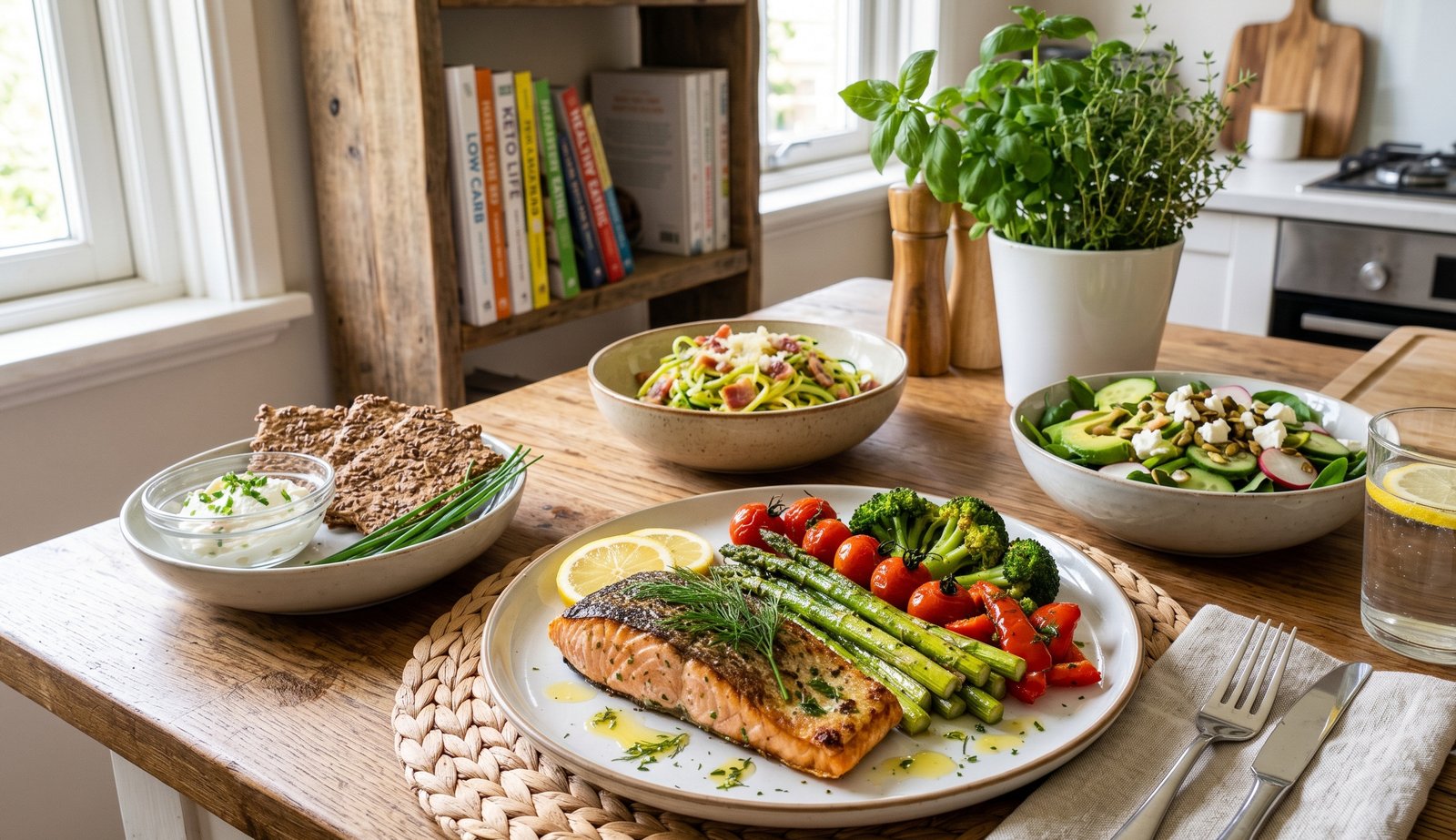
Starting a new diet can change your body and energy levels. Choosing low carb recipes gives your body the right fuel. It’s not just a quick fix but a lasting change for weight loss.
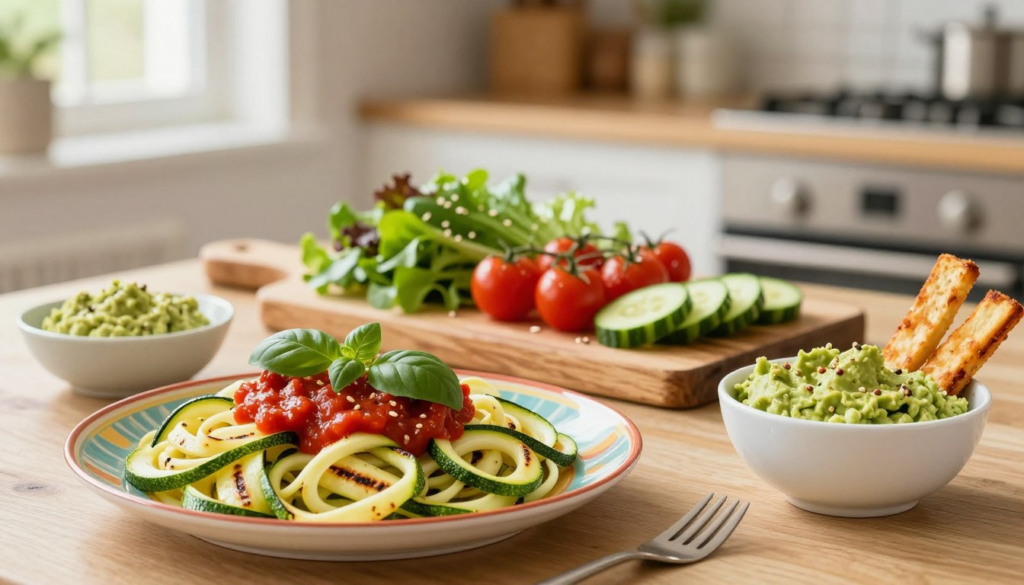
It’s best to cook healthy meals at home. This way, you control what you eat. It helps you make healthy choices and enjoy tasty food.
This guide will help you find your way in the world of healthy meals. You’ll see how low carb recipes make losing weight easy and fun. Start your journey to better health today.
Key Takeaways
-
- Focusing on nutrient-dense foods supports sustainable body composition changes.
-
- Home cooking provides total control over your nutritional intake.
-
- Small, consistent dietary shifts lead to lasting wellness results.
-
- Planning your menu helps you stay on track with your goals.
-
- Enjoying flavorful food makes your health journey easier to maintain.
Understanding the Benefits of Low Carb Recipes
Exploring the benefits of a low carb lifestyle shows why many choose it for health. By focusing on low carb recipes, you give your body what it needs to work best. It’s not just about cutting calories; it’s about changing how your body gets energy every day.
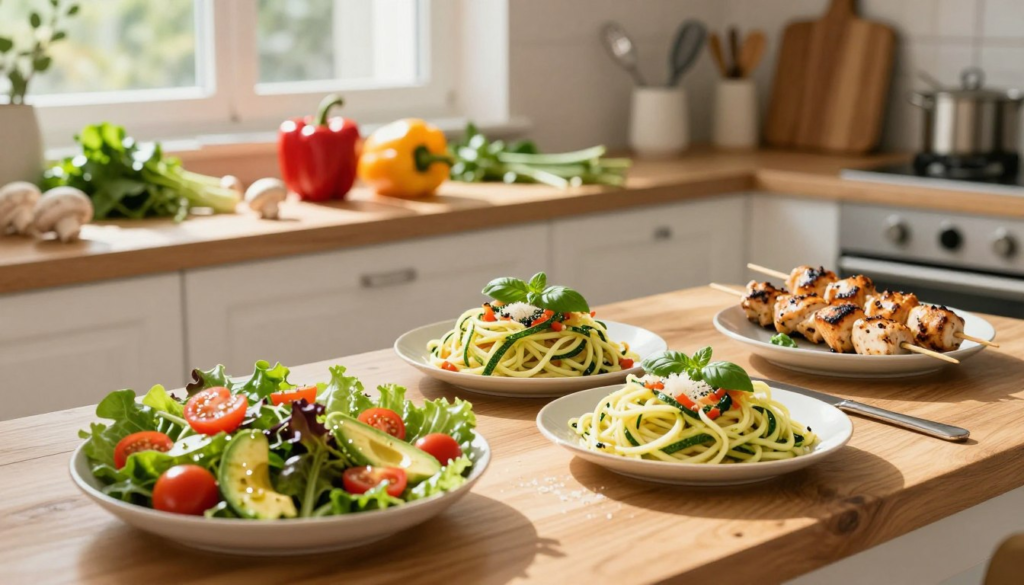
How Carbohydrate Restriction Impacts Weight Loss
The main way to lose weight is by keeping blood sugar stable. By cutting out refined carbs, you avoid insulin spikes that lead to fat storage. Your body then gets better at using fat for energy.
This change in how your body uses energy is key to a low carb diet. With steady insulin levels, you’ll feel less hungry and have more energy all day. Consistency is the key to lasting changes in your body.
Improving Metabolic Health Through Nutrient-Dense Foods
Improving metabolic health is more than just cutting out sugar. You need to focus on nutrient-dense foods to keep your body healthy. Adding leafy greens, healthy fats, and quality proteins is essential for your well-being.
Choosing whole, unprocessed ingredients helps your body more than processed snacks. A well-planned low carb diet fuels your metabolism well. By making these choices, you’re investing in your metabolic health and overall health.
Essential Pantry Staples for Your Low Carb Kitchen
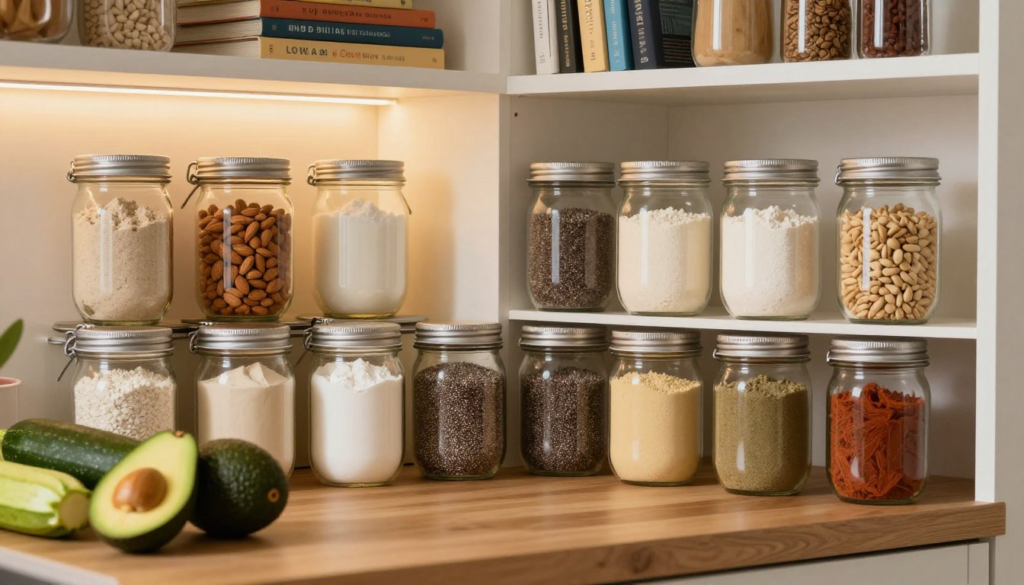
A well-curated pantry is key for those following low carb recipes. It ensures healthy choices are always available. This helps avoid making unhealthy choices on impulse.
Creating a low carb pantry means choosing quality ingredients. These ingredients help you make tasty meals without raising your insulin. Having the right ingredients makes sticking to your goals easier.
Stocking Healthy Fats and Proteins
Your meals should focus on high-quality proteins and healthy fats. These keep you full for a long time. Choose items like olive oil, avocado oil, and grass-fed butter for cooking.
For proteins, fill your freezer with wild-caught fish, pasture-raised eggs, and organic meats. These are the base of your daily nutrition. Prioritizing these foods helps your body function well.
Selecting Low Glycemic Vegetables and Herbs
Choose the right low glycemic vegetables to add volume to your meals. Leafy greens like spinach, kale, and arugula are great. They offer vitamins without many carbs. Also, keep cruciferous veggies like broccoli and cauliflower handy for their versatility.
Fresh herbs can make your dishes taste amazing without adding sugar. Keep a mix of dried and fresh herbs like basil, cilantro, and rosemary. These simple additions make your meals feel special while keeping you on track.
Choosing Sugar Alternatives and Low Carb Flours
You don’t have to give up treats with the right sugar alternatives. Natural sweeteners like stevia or erythritol let you enjoy sweetness without the blood sugar spike. These are key for staying on track while satisfying cravings.
For baking, almond flour and coconut flour are great low carb options. They give your baked goods the right texture. Stocking these items lets you try new recipes while staying healthy.
Preparing Low Carb Breakfasts to Start Your Day
A healthy morning meal is key to a great day, especially on a low carb diet. The right ingredients keep your energy up and your mind sharp. Whole foods make it easy to make low carb recipes that taste good and fill you up.
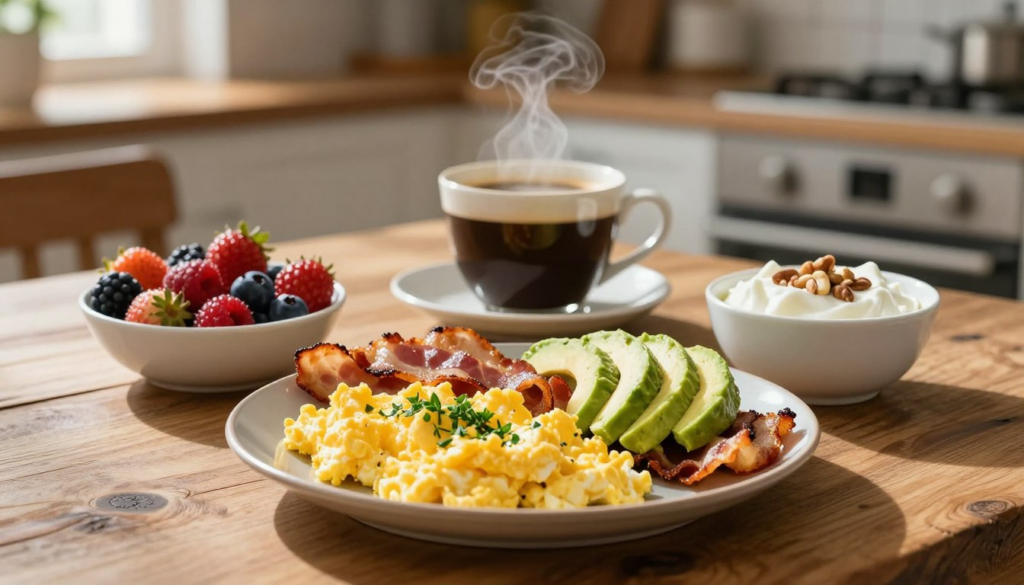
Mastering Egg-Based Morning Meals
Eggs are a great base for many egg-based meals. Try scrambling them with spinach, baking them in muffins, or making a cheesy omelet. These dishes give you the protein you need to stay full all morning.
“The secret of getting ahead is getting started, and a healthy breakfast is the best way to begin your day.”
Creating Nutrient-Rich Smoothies and Bowls
For a lighter start, try a smoothie. Mix unsweetened almond milk, low carb protein powder, and berries for a sweet treat without the sugar. You can also make bowls with chia seeds, hemp hearts, and almond butter for a crunchy texture.
Tips for Balancing Macros in Your Morning Routine
Getting the right mix of nutrients is crucial for a successful low carb breakfast. Here are some tips to help you:
-
- Add healthy fats like avocado or olive oil to feel full longer.
-
- Include enough protein to keep your muscles strong.
-
- Watch out for hidden sugars in toppings or additives.
By sticking to egg-based meals and nutrient-rich bowls, you make your mornings easier. These low carb recipes will keep you energized and ready for anything your day throws at you.
Crafting Satisfying Low Carb Lunches and Dinners
Making food at home is the best way to avoid processed foods. When you focus on healthy meals, you control your nutrition and energy. Planning ahead means every low carb lunch and low carb dinner supports your health.
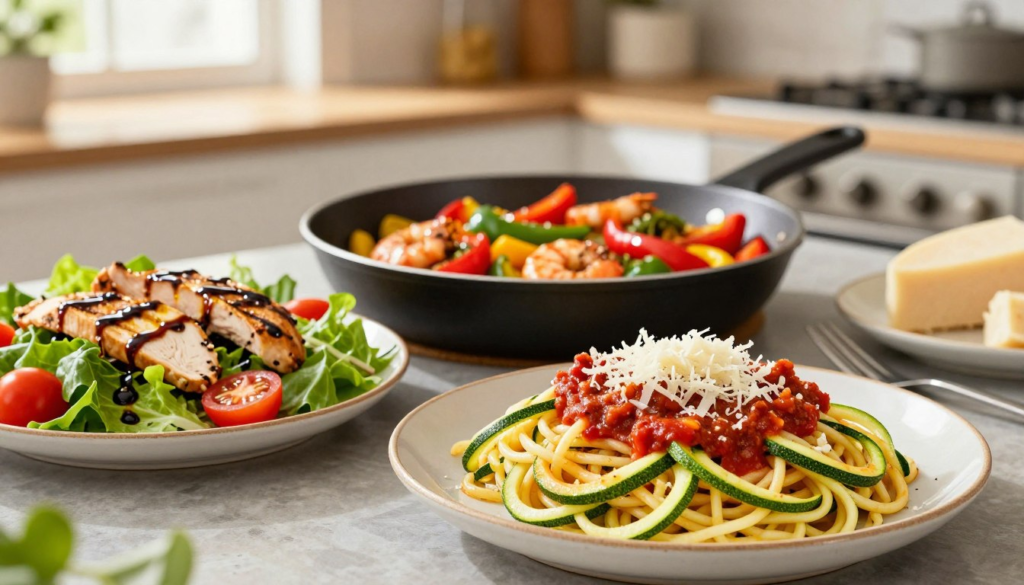
Step One: Building Protein-Centric Main Courses
A high-quality protein source is key for a great meal. Proteins keep you full and help maintain muscle while losing weight. Include a protein source in every dish to keep your blood sugar stable.
-
- Grilled chicken breast seasoned with fresh herbs.
-
- Wild-caught salmon fillets baked with lemon.
-
- Lean ground beef or turkey stir-fried with spices.
-
- Firm tofu or tempeh for plant-based variety.
Step Two: Incorporating Fiber-Rich Vegetable Sides
Vegetables add essential fiber and nutrients to your diet. They add volume without extra carbs. Choose colorful, non-starchy options for a wide range of vitamins in your low carb recipes.
Roast broccoli, cauliflower, or asparagus with garlic. Enjoy fresh salads with spinach or kale. These fiber-rich additions are key for digestion and feeling full.
Step Three: Utilizing Healthy Cooking Fats for Flavor
Healthy fats are crucial for flavor and nutrient absorption. The right oils can elevate a simple dish. Fats help you feel full, preventing unnecessary snacking.
Consider these options in your kitchen:
-
- Extra virgin olive oil for drizzling over finished plates.
-
- Avocado oil for high-heat searing and sautéing.
-
- Grass-fed butter or ghee for rich, savory notes.
Safety Tips for Proper Food Storage and Meal Prep
Efficient meal prep requires attention to food safety. Store cooked proteins and vegetables in airtight containers within two hours. This prevents bacterial growth and keeps your food fresh.
Keep your refrigerator at or below 40°F. Labeling containers with the date ensures you always have a safe, ready-to-eat meal.
Managing Cravings with Healthy Low Carb Snacks
Mastering cravings is easy with a variety of low carb snacks at your disposal. It’s common to feel hungry between meals, but the right snacks can help. By planning, you always have a healthy alternative to keep your energy up.
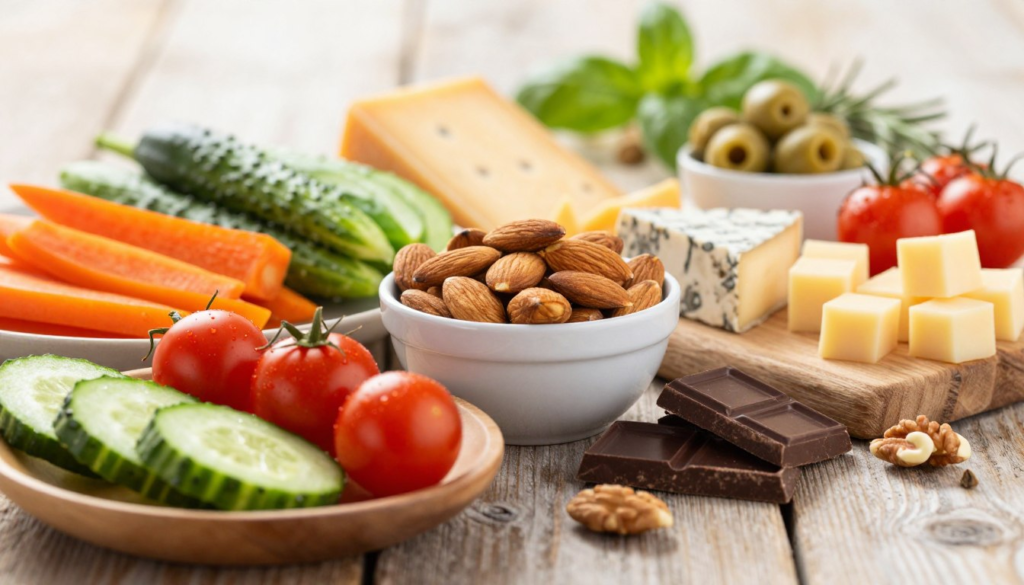
Quick Options for Busy Afternoons
When you’re busy, you need healthy snacks that are quick and easy. Keep shelf-stable or pre-portioned items in your desk or pantry. Choose high-protein and high-fat snacks for lasting energy.
Raw almonds, macadamia nuts, and beef jerky without added sugars are great choices. String cheese and individual olive packs also offer a quick energy boost. These snacks help prevent the afternoon slump.
Preparing Homemade Low Carb Treats
Even with a sweet tooth, you can enjoy tasty desserts that fit your diet. Many low carb recipes use almond flour, coconut flour, or stevia. Making these treats in batches means you always have a sweet treat ready.
Try making fat bombs with coconut oil and cocoa powder or baking almond flour muffins. Homemade treats are often cheaper and healthier than store-bought ones. By controlling your ingredients, you stay on track with your health goals without feeling left out.
| Snack Type | Preparation Time | Primary Benefit |
| Almonds | 0 Minutes | High Fiber |
| String Cheese | 0 Minutes | High Protein |
| Fat Bombs | 20 Minutes | Healthy Fats |
| Veggie Sticks | 5 Minutes | Low Calorie |
Tips for Long-Term Success with Low Carb Recipes
Building a sustainable lifestyle is key to lasting success with your nutrition plan. Starting with low carb recipes is a great first step. But, it’s the daily habits that really make a difference. Focus on being consistent, not perfect, to keep your health journey fun and effective.
Tracking Your Progress and Adjusting Portions
To keep losing weight, listen to your body. Track how your clothes fit and your energy levels. Don’t just watch the scale, as your body changes in ways numbers can’t show.
Adjusting your portion sizes is crucial as you get more active. If you’re hungry, add healthy fats and fiber-rich veggies. Customizing your meals for your activity level gives you the energy you need.
“Success is the sum of small efforts, repeated day in and day out.”
Overcoming Common Challenges in Your Diet
You’ll face low carb challenges like social pressure or cravings. Prepare ahead by keeping healthy snacks on hand. This way, you’re never caught off guard by hunger.
One slip-up doesn’t ruin your whole journey. If you eat something not on your plan, just get back to healthy habits at the next meal. Consistency beats temporary perfection.
Staying Consistent While Dining Out
Eating out doesn’t have to be hard. Restaurants can usually make simple changes for you. Choose grilled proteins and steamed veggies or fresh salads with oil-based dressings.
-
- Check the menu online before you arrive to plan your meal.
-
- Ask for sauces and dressings to be served on the side.
-
- Prioritize high-quality proteins like steak, fish, or chicken.
-
- Be mindful of hidden sugars in marinades or glazes.
Mastering dining out lets you control your low carb diet anywhere. These small choices help you enjoy social life while staying on track with your health goals.
Conclusion
Starting a low carb lifestyle is a great step for your long-term health. You now know how to pick foods that give you energy. Making small changes can really boost your health and energy.
Your journey to manage weight starts with today’s habits. Eat quality proteins and fresh veggies to feel full. Use brands like Primal Kitchen or Bob’s Red Mill to make cooking easier. Remember, being consistent is key to your success.
Try making one simple recipe from this guide tonight. Explore new tastes and textures to keep things interesting. You can change how you see food and improve your health. Start your healthier journey now.
FAQ
How do low carb recipes facilitate effective weight loss?
Reducing refined carbs makes your body use fat for energy instead of glucose. This change helps keep blood sugar stable and reduces insulin spikes. Eating nutrient-dense foods helps you lose weight and stay energetic all day.
What are the most important pantry staples for a low carb kitchen?
Healthy fats like Extra Virgin Olive Oil, Coconut Oil, and Avocado Oil are key. Use Almond Flour or Coconut Flour for baking. Sugar alternatives like Erythritol or Monk Fruit help control cravings without raising blood sugar.
How can I ensure my morning routine supports my weight loss goals?
Focus on macronutrients in the morning. Egg-based meals or smoothies provide protein and fats for fullness. This keeps you energized until lunchtime.
Which vegetables are best suited for a low carbohydrate lifestyle?
Choose low glycemic veggies like spinach, kale, and arugula. Broccoli, cauliflower, and zucchini add volume and fiber without too many carbs.
What are the best strategies for safe and efficient meal prep?
Preparation is key for a low carb diet. Use BPA-free containers for protein meals. Cool meals quickly and label them to keep food fresh and organized.
How can I manage hunger and cravings during busy afternoons?
Keep healthy snacks like macadamia nuts, pumpkin seeds, or string cheese handy. Homemade low carb treats with dark chocolate and keto-friendly sweeteners can also satisfy cravings.
How do I maintain my diet when dining out at restaurants?
Make smart choices when eating out. Opt for grilled proteins and vegetable sides instead of potatoes or bread. Ask for balsamic vinegar and olive oil on the side to avoid hidden sugars.
Why is tracking progress and adjusting portions necessary?
Everyone’s metabolism is different. Tracking your progress helps you find the right recipes and portion sizes. This approach helps you avoid plateaus and stay on track with your wellness goals.
